

Last Updated: October 29, 2026
Quick Summary
To prepare a used truck for sale fast, gather your title and maintenance records, complete a pre-sale inspection, repair or disclose known problems, clean the cab and bed, set a market-based price, and take clear daylight photos. Work through these seven steps in order, starting with paperwork, because missing documents can end a deal before inspection.
- Gather your title, maintenance records, and vehicle history report before you list.
- On heavy trucks, record engine hours alongside mileage, since buyers often weigh hours more heavily.
- Disclose known problems in writing in both your listing and your bill of sale.
- Price the truck using comparable listings, adjusting for mileage, engine hours, condition, and equipment.
- Verify a buyer's identity and confirm payment before handing over the title.
Table of Contents
- Why Use Ironmartonline as Your Equipment Broker When Selling a Used Truck
- Step 1: Gather Your Title, Records and Ownership Paperwork
- Step 2: Use a Used Truck Selling Checklist to Plan Your Prep
- Step 3: Complete a Used Truck Pre-Sale Inspection
- Step 4: Decide What to Repair and What to Disclose
- Step 5: Clean the Exterior, Interior and Truck Bed
- Step 6: Set a Realistic Asking Price Based on Market Value
- Step 7: Take Photos That Show the Truck Clearly
- How to Write a Truck Listing That Attracts Serious Buyers
- Your Next Step: List the Truck and Screen Buyers Safely
- Frequently Asked Questions
Thinking about selling a used truck? Before you list it, ask yourself: why use Ironmartonline equipment broker services instead of selling it yourself? Ironmartonline is a heavy equipment brokerage that connects buyers and sellers of used machinery.
Learning how to prepare a used truck for sale takes more than a quick wash. Buyers of heavy-duty trucks look closely at records, mechanical condition, and the equipment attached to the truck. Most sellers skip steps, and that costs them time at the negotiating table.
This guide walks through seven steps to prepare a used truck for sale fast. Along the way, we explain how a broker can help at each stage, so you can decide whether that support is right for your situation.
Why Use Ironmartonline as Your Equipment Broker When Selling a Used Truck
Ironmartonline works as a broker, which means we handle the marketplace side of the sale while you focus on getting the truck ready. Browse our used heavy equipment listings to see the range of machines and buyers we reach. Our service runs on nine web-based selling platforms, so your listing can reach a wide pool of potential buyers.
Here is what that looks like in practice:
- Wide reach: Your truck appears across nine platforms rather than a single listing page.
- No contracts: You are not locked into a long agreement to list your truck.
- No hidden fees: Ask us for current terms before you list.
- Hands-off marketing: We handle placement while you prepare the truck.
For a deeper look at selling options, see our guide to Trusted Platforms to Sell Used Heavy Equipment Online.
Step 1: Gather Your Title, Records and Ownership Paperwork
Start with paperwork. Buyers of used trucks expect clean documents, and missing papers can kill a deal before the truck is even inspected.
Collect these items before you list:
- Title: Confirm the title is in your name and free of liens. If a lender holds a lien, start the release process early.
- Bill of sale template: Prepare a draft so you can close the deal quickly.
- Maintenance and repair records: Organize invoices for oil changes, brake work, tire replacements, and major repairs.
- Vehicle history report: Order a report such as CARFAX so buyers can see the truck's background. Offering it upfront can help build trust with buyers.
- Equipment records: For trucks with specialty equipment, keep documentation for the bed, hitch, winch, or other add-ons.
Truck-specific records matter. A dump truck buyer wants proof of hydraulic service. A flatbed buyer wants to know the deck and tie-down points are sound. Have those records ready.
Check your state's DMV requirements for transferring title and registration. Rules vary by state, so confirm the steps that apply where you live.
Step 2: Use a Used Truck Selling Checklist to Plan Your Prep
A checklist keeps the prep work moving. Without one, sellers often clean the cab and forget the engine bay, or photograph the truck before the bed is clear.
Build your checklist around four groups:
- Documents: Title, records, history report, and bill of sale
- Mechanical: Fluids, tires, brakes, and the items a buyer will test
- Appearance: Exterior wash, interior cleaning, and bed condition
- Listing: Photos, description, and asking price
Set a deadline for each group. If you need to sell fast, work the most time-consuming items first, such as mechanical repairs and records. Cleaning and photos can come last.
Keep the checklist in one place so you can cross items off as you go. This also makes it easier to share progress with your broker.
Step 3: Complete a Used Truck Pre-Sale Inspection
Inspect the truck yourself before buyers do. A pre-sale inspection shows you what they will find and lets you address problems on your terms. For a used truck, the inspection must go beyond a car checklist: buyers of heavy-duty trucks focus on engine hours, load-bearing components, and equipment that affects work capability.
Start with a structured walk-around and record findings in writing. Use a clipboard or phone notes to log each item's condition, with photos where helpful.
Engine and drivetrain
- Check oil level and condition, coolant, and belts. Look for leaks under the truck.
- Record engine hours alongside mileage. On heavy trucks, engine hours often matter more than miles because they reflect idle time and workload.
- Start the engine cold and listen for unusual noises, then check for smoke from the exhaust.
- If the truck has a diesel engine, inspect the fuel system for leaks and check the air filter restriction indicator.
Tires and wheels
- Check tread depth with a gauge; most commercial truck tires have wear bars. Note uneven wear, which can indicate alignment or suspension issues.
- Check tire pressure when cold and include the spare.
- Inspect wheels for cracks, rust, and loose lug nuts.
Brakes and suspension
- Listen for grinding and check pad and rotor wear. For air-brake trucks, test the air system for leaks and confirm the compressor builds pressure properly.
- Inspect leaf springs, shock absorbers, and air bags for cracks or leaks.
- Check the frame and underbody for rust, cracks, and signs of prior damage, especially around mounting points and crossmembers.
Body and cab
- Check panels for dents, paint mismatch, and previous repairs.
- Inspect the cab floor and rocker panels for rust, which is common in work trucks.
- Test all lights, gauges, and dashboard warning lights. Confirm the odometer and hour meter are working.
Truck bed and equipment
- Inspect the bed floor, sides, and tailgate for damage and wear. On dump trucks, check the hoist, hydraulic lines, and PTO for leaks and smooth operation.
- For flatbeds, check the deck for soft spots and confirm tie-down points are secure.
- Test the hitch, winch, and any lift kit or off-road accessories. Document their condition and whether they are included in the sale.
Records and history
- Note whether the truck was used by a fleet or by an owner-operator. Buyers often want to know this history.
- Gather maintenance records for the items above, especially hydraulic service, brake work, and tire replacements.
Write down everything you find. Mileage and engine hours are key details on heavy trucks, so record the readings accurately. Buyers of used semi-trucks commonly ask for verified records of both. A thorough inspection also gives you the facts you need for the repair-or-disclose decision in the next step.
Step 4: Decide What to Repair and What to Disclose
Not every problem needs a repair. Some are cheaper to disclose and price in. Others are worth fixing because they affect how the truck runs or how buyers feel about it.
Use this simple framework:
- Repair if: The fix is inexpensive and the problem is visible or affects safety, such as worn brakes or a cracked windshield.
- Disclose if: The problem is costly to fix or minor, such as a small dent or an older paint scuff.
- Price in if: The problem is significant but predictable, such as a worn transmission. Lower your asking price to reflect it.
Always disclose known problems in writing. Hiding issues can lead to disputes after the sale. Put the disclosure in your listing and in your bill of sale.
Good disclosure builds trust. A buyer who sees an honest list of issues is more likely to commit to the deal.
Step 5: Clean the Exterior, Interior and Truck Bed
Clean trucks sell faster. A clean exterior makes the paint and body look well kept, and a tidy cab tells buyers the truck was cared for.
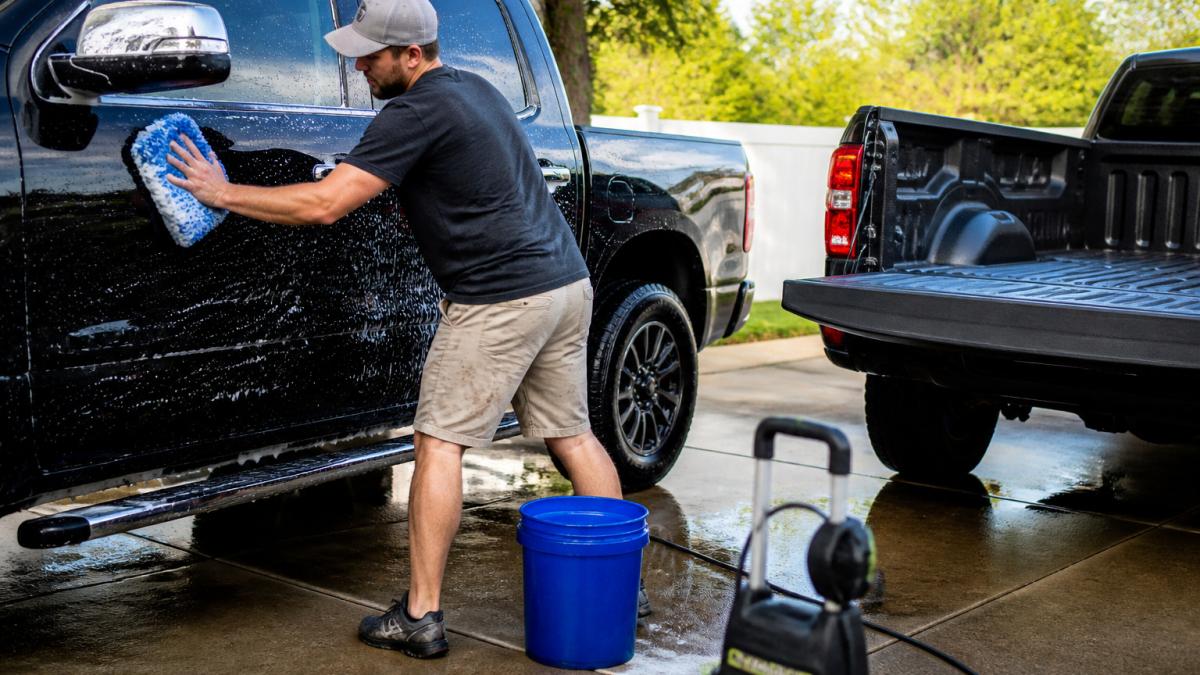
Work through these areas:
- Exterior: Wash the body, wheels, and undercarriage. Apply wax or sealant to the paint.
- Interior: Vacuum the floors, seats, and carpet. Wipe down the dashboard, steering wheel, and door panels.
- Cab: Remove all personal belongings, trash, and loose items. Clean the windows inside and out.
- Truck bed: Sweep out debris, wash the floor, and clean the tailgate and bed rails.
Remove any personal items, including toll tags and registration cards you keep in the cab. Buyers should see the truck, not your life.
A clean bed matters more than many sellers expect. Buyers of work trucks look at the bed first, so a well-kept floor and clean tie-down points signal good care.
Step 6: Set a Realistic Asking Price Based on Market Value
Pricing sets the tone for every buyer conversation. Price too high and the truck sits; price too low and you leave money on the table. For a used truck, the asking price must reflect not just mileage and condition but also engine hours, equipment, and regional demand for that configuration.
Start by researching comparable listings for the same make, model, year, and configuration. Adjust for regional demand: a heavy-haul tractor may sell quickly in an area with active construction, while a similar truck might linger elsewhere.
Build a simple adjustment table to move from a baseline price to your asking price. Use dollar or percentage adjustments based on what you observe in listings, not guesswork.
| Factor | Example adjustment | How to apply |
|---|---|---|
| Mileage | Higher than average for the year | Subtract a percentage based on the gap |
| Engine hours | High idle hours | Subtract for wear on engine and components |
| Condition | Visible rust or body damage | Subtract the estimated repair cost or disclose and price in |
| Equipment | Winch, lift kit, or clean bed | Add value if desirable for the truck's use |
| Records | Full maintenance history | Supports a higher price and faster sale |
Use these adjustments to set a range, then choose an asking price near the top of the range to leave room for negotiation. Keep the price grounded in what similar trucks actually sell for, not what sellers are asking.
Factor in these truck-specific considerations:
- Engine hours vs. mileage: On heavy trucks, high engine hours can indicate more wear than mileage alone suggests. Buyers will discount for this.
- Equipment value: A working winch, a clean dump bed, or a well-maintained flatbed can add value, but only if the buyer needs it. Document the equipment's condition.
- Records: Full maintenance history supports a higher price. If you have records for hydraulic service, brake work, and tire replacements, mention them in the listing.
Leave some room for negotiation, but keep the asking price grounded in what similar trucks actually sell for. A broker can help you compare listings and set a price that fits the market. For a deeper look at selling options, see our guide to Trusted Platforms to Sell Used Heavy Equipment Online.
Step 7: Take Photos That Show the Truck Clearly
Photos sell trucks. Buyers scroll past listings with dark, blurry, or incomplete photos, so take the time to get them right.
Shoot in daylight, from every side. Include these shots:
- Front, rear, and both sides at a three-quarter angle
- The interior, including the dashboard and seats
- The odometer reading
- The engine bay
- The truck bed, with the tailgate down
- Photos of truck-specific features such as the tow hitch, trailer hitch, bed liner, tailgate, lift kit, winch, and tonneau cover
Clean the lens and the truck before each shot. Avoid shooting in harsh midday sun, which creates glare and hides paint detail.
Show any damage honestly. A photo of a known scratch is better than a surprise at the inspection. You can review a sample of well-presented truck listings to see how clear photos and honest details look in practice.
How to Write a Truck Listing That Attracts Serious Buyers
Your listing does the selling before the buyer ever calls. Write it so buyers can judge the truck without guessing.
Include these details:
- Year, make, model, trim, and configuration
- Mileage or engine hours, stated exactly
- Engine, transmission, and drivetrain
- Equipment, such as the bed type, hitch, or winch
- Condition summary, with known issues listed
- Records you can provide, such as service history or the vehicle history report
- Asking price and whether you will consider offers
Connect the description to supporting documents. Mention that repair orders, build sheets, or window stickers are available. This signals a serious seller and attracts more qualified buyers.
Keep the tone plain and accurate. Avoid exaggeration. Buyers who see honest details are more likely to reach out.
For more listing examples, browse our TriAxle truck listings to see how details are presented to buyers.
Your Next Step: List the Truck and Screen Buyers Safely
With your truck prepared, list it and start talking to buyers. Screen every inquiry before you meet anyone.
Use these safety steps:
- Verify identity: Ask for the buyer's name and contact details, and confirm them before a meeting.
- Meet in a safe public place: Choose a location with staff or security, such as a dealership lot or a business with cameras.
- Take a safe test drive: Ride along during the test drive, and keep the route to well-traveled roads.
- Confirm payment before handing over the title: Verify funds clear before signing paperwork.
- Complete the transfer carefully: Sign the bill of sale, remove your plates as your state requires, and notify your DMV as needed.
Keep copies of everything. The bill of sale, title transfer, and disclosure records protect you after the sale.
Ready to list? Contact Ironmartonline to talk through your truck, your timeline, and how we can help you reach serious buyers.
Frequently Asked Questions
What should I do before selling a used truck?
Start with paperwork: confirm the title is in your name, gather maintenance records, and pull a vehicle history report so you know what a buyer will see. Next, complete a pre-sale inspection to find problems you can fix cheaply. Clean the truck inside and out, remove personal belongings, and research recent sales of similar trucks in your region so your asking price is grounded in real market value before you list it.
Should I repair a used truck before selling it?
Repair items that are inexpensive and visible, such as burned-out lights, worn wipers, low fluids, or a cracked windshield, because they affect first impressions and buyer confidence. Major mechanical repairs often cost more than they add to the sale price, so it can be better to sell as-is and disclose known issues clearly. Compare the repair cost with the likely increase in the asking price before deciding.
How should I photograph a truck for a sale listing?
Shoot in daylight on a clean, uncluttered background. Capture all four corners of the truck, both sides, the front and rear, and the interior dashboard and seats. Photograph truck-specific features such as the tow hitch, bed liner, tailgate, tonneau cover, and any lift kit or winch. Include close-ups of tires, wheels, and any damage so buyers see the true condition before they call.
What paperwork do I need to sell a used truck?
Most buyers and state motor vehicle agencies expect the vehicle title signed over to the buyer, a bill of sale showing the date, price, and vehicle identification number, and a current odometer disclosure. Keep maintenance and service records to support the asking price. Requirements vary by state, so check with your state's DMV or motor vehicle agency for the exact forms and any release-of-liability steps.
