
Table of Contents
- Why Use an Equipment Broker for Selling End of Lease Machinery
- Understanding the Equipment Lease Buyout Process
- How to Calculate Lease Buyout Value Accurately
- Machinery Liquidation Strategies That Work
- Preparing Equipment for Sale: Condition and Documentation
- Equipment Broker Services: Finding the Right Partner
- Pricing Your Machinery for Fast Sale
- Handling Logistics and Shipping Responsibilities
- Tax and Accounting Considerations for Equipment Sales
- Conclusion
Last Updated: August 10, 2026
Why Use an Equipment Broker for Selling End of Lease Machinery
When your lease term ends, you face a critical decision: return the equipment, refinance it, or sell it outright. Many equipment owners never consider the broker route, they assume they'll handle the sale independently or return the machinery to the lessor. That's often a mistake.
Why use an equipment broker for selling end of lease machinery? Because the difference between selling it yourself and working with a professional broker typically comes down to speed, reach, and net proceeds. An equipment broker connects your machinery to millions of potential buyers across multiple platforms simultaneously. You're not listing on one site hoping someone finds it. You're broadcasting to a global audience of serious buyers who actively search for used heavy equipment.
Why use Ironmartonline as your Heavy Equipment Broker? Because Ironmartonline operates nine specialized web-based selling platforms designed specifically for this. Rather than managing multiple listings across different marketplaces, you hand off the operational burden. No contracts lock you in. No hidden fees eat into your sale price. The broker handles the exposure while you focus on preparing the equipment and managing the transaction logistics.
Consider the alternative: selling independently. You'll need to photograph the machinery professionally, write detailed specifications, manage inquiries, field lowball offers, handle negotiations, and coordinate shipping with buyers scattered across different regions. That's weeks of your time, time you probably don't have if you're managing a fleet, running a rental operation, or juggling multiple pieces of equipment.
A broker accelerates this timeline dramatically. They've already built buyer networks. They know fair market pricing for your equipment category. They understand which platforms attract the right audience for dozers versus excavators versus agricultural machinery. They've handled hundreds of transactions and know where friction typically appears.
Understanding the Equipment Lease Buyout Process
The equipment lease buyout process is the formal mechanism by which you acquire ownership of leased machinery before the lease term expires, or you exercise your option to purchase at lease end. This process begins when you contact your lessor to request a buyout quote, a calculation of what it costs to own the equipment outright at that point in time.
Your lessor will provide a residual value figure. This is the amount they've determined the equipment is worth at the end of the lease term, based on the original equipment cost, depreciation schedules, and current market conditions. You pay this residual value to the lessor, the lien is removed from the title, and you own the machinery free and clear.
The buyout process typically unfolds in these stages:
- Request a payout quote from your lessor. They'll provide a specific buyout amount, usually valid for 30 to 60 days.
- Verify the equipment condition against the lease agreement. Some leases include wear-and-tear clauses that affect the final buyout cost.
- Secure financing if needed. If you don't have cash on hand, you'll arrange a loan or line of credit to cover the buyout amount.
- Complete the paperwork. Your lessor will provide documents transferring ownership and releasing the lien.
- Register the title in your name with your state's motor vehicle or equipment registration authority.
Once you own the equipment outright, you can sell it immediately or hold it for future sale. Many equipment owners buy out their leases specifically to sell the machinery at a higher price than they'd receive through the lessor's disposition program. The buyout gives you control over timing, pricing, and buyer selection.
How to Calculate Lease Buyout Value Accurately
Calculating your equipment lease buyout value requires understanding the components your lessor uses to determine what they're asking you to pay. This isn't arbitrary, it follows depreciation schedules and residual value estimates established when the lease began.
Start with the equipment's original cost. This is the price your lessor paid for the machinery when they acquired it for you. Next, apply depreciation. Heavy equipment typically depreciates 15-25% annually, depending on the asset type, market conditions, and usage intensity. A dozer that cost $150,000 five years ago may have depreciated to $50,000-$60,000 of residual value by lease end.
Your lessor calculates residual value based on:
- Original equipment cost (the starting point)
- Age and hours of operation (how much use the machine has seen)
- Condition and maintenance history (well-maintained equipment retains more value)
- Market conditions for used equipment (supply and demand in your region)
- Equipment category (excavators hold value differently than tractors)
To verify your lessor's buyout quote, research current fair market value for comparable used equipment. Check recent sales on equipment marketplaces, consult equipment appraisal services, and compare similar machinery in your region. If your lessor's buyout figure seems high relative to current market prices, you have grounds to negotiate.
Many lessors build a profit margin into their residual value estimates. They're not trying to help you buy the equipment cheaply, they're trying to maximize their return. This is where independent valuation becomes critical. If the buyout exceeds fair market value by 10-15%, it may not make financial sense to purchase.
Document everything in writing. Get the buyout amount in a formal quote from your lessor with an expiration date. Confirm what's included in the sale, does the price include title transfer fees, lien release documentation, or transportation? Clarify any remaining lease obligations, such as final maintenance or return conditions.
Machinery Liquidation Strategies That Work
Machinery liquidation is the process of converting equipment into cash quickly and efficiently. Unlike a traditional retail sale where you might hold inventory for months, liquidation prioritizes speed and certainty of sale. For end-of-lease equipment, this approach often delivers better results than waiting for the perfect buyer.
The fastest liquidation strategy is to work with an equipment broker who has established buyer networks and multiple sales channels. Brokers list your machinery across several platforms simultaneously, dramatically increasing visibility. Instead of one listing on one website, your dozer appears on multiple specialized marketplaces where buyers actively search. This parallel exposure compresses the sales timeline from weeks to days.
Pricing aggressively accelerates liquidation. Equipment priced 5-10% below market fair value typically sells within two weeks. Equipment priced at market value may take four to six weeks. Equipment priced above market value often never sells. If your goal is speed, accept that you'll sacrifice some margin. The trade-off is certainty, you'll move the machinery quickly and convert it to cash without extended carrying costs.
Condition transparency also speeds sales. Buyers of used equipment are skeptical. They expect hidden problems. When you provide detailed equipment inspection reports, maintenance records, and honest disclosure of any wear or damage, you eliminate buyer hesitation. Transparency builds confidence. Confident buyers make offers faster.
Consider the timing of your sale relative to season and market cycles. Agricultural equipment sells fastest in spring and early summer when farmers are preparing for planting. Construction equipment moves quickly in spring and fall when contractors ramp up projects. Winter is typically slower. If you control the timing, align your sale with peak demand in your equipment category.
Bundle related equipment if you have multiple pieces. A buyer looking for one excavator might purchase two if you offer a package discount. Bundling reduces your total selling effort and accelerates the timeline for disposing of all items.
Preparing Equipment for Sale: Condition and Documentation
Equipment condition determines buyer confidence and final sale price. Professional preparation, both mechanical and cosmetic, directly impacts how fast your machinery sells and what price it commands.
Equipment Inspection Checklist
Before listing your machinery, conduct a thorough inspection and document every finding. This checklist guides the process:
- Engine and drivetrain: Start the engine, listen for unusual sounds, check fluid levels, verify transmission operation
- Hydraulics: Inspect hoses for cracks or leaks, test all hydraulic functions (boom, bucket, blade), check fluid condition
- Structural integrity: Look for cracks in the frame, welds, or boom; check for rust or corrosion; inspect welds for integrity
- Tires and tracks: Measure tread depth, inspect for damage, check inflation pressure, look for unusual wear patterns
- Electrical systems: Test all lights, battery condition, starter function, and control panel responsiveness
- Operator controls: Verify all levers, buttons, and switches operate smoothly; check for stiffness or damage
- Cab condition: Inspect seat condition, check windows and mirrors, test climate control if equipped
- Paint and cosmetics: Document rust spots, dents, paint chips, and weathering; note any aesthetic damage
- Maintenance records: Gather all service logs, repair invoices, and maintenance history documentation
- Hours of operation: Verify the hour meter reading and confirm it matches maintenance records
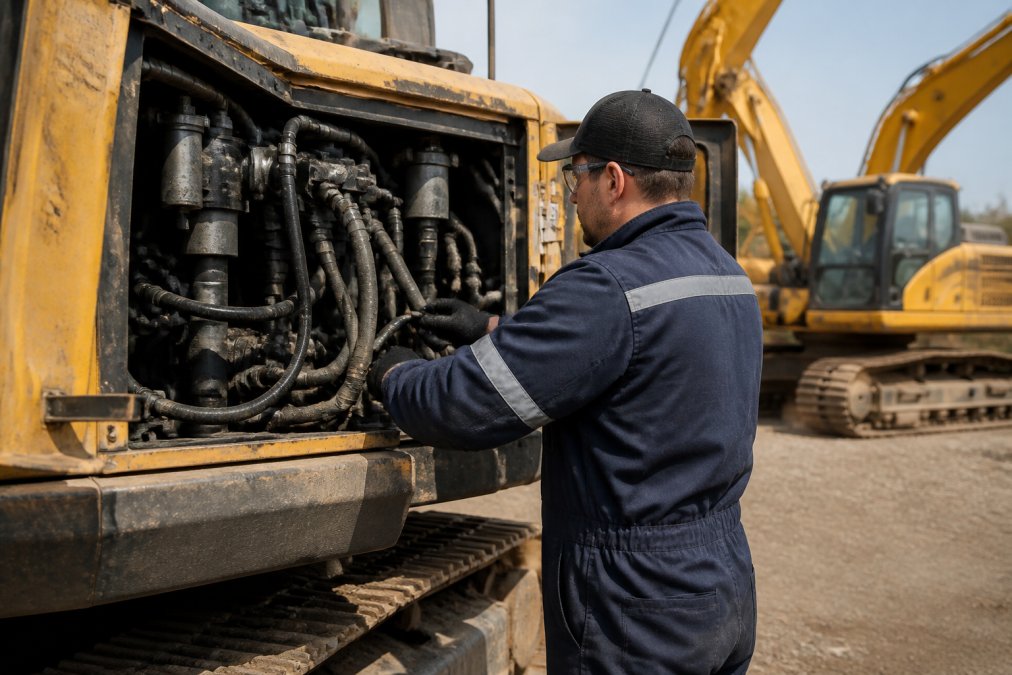
Document findings with photographs. Take wide shots showing the overall condition, then close-ups of specific areas, hydraulic connections, engine compartment, undercarriage, cab interior. Professional photos significantly increase buyer confidence. Poor photos suggest poor maintenance.
Address obvious maintenance issues before sale. Replace worn filters, top off fluids, clean the cab, and pressure-wash the exterior. You don't need to perform major repairs, buyers expect used equipment to have wear, but basic maintenance signals that the machinery was cared for.
Title Transfer and Lien Removal
Before you can sell equipment, the title must be free of liens. A lien is a legal claim against the equipment held by your lessor or any creditor. Buyers won't purchase equipment with liens because they could lose it if the lienholder enforces their claim.
Contact your lessor and request a lien release letter. This document confirms that once you pay the buyout amount, they will release their claim on the equipment. Get this in writing before you close the sale to any buyer. Buyers will ask for proof that the title can be transferred cleanly.
Some states require formal title transfer documents. Check your state's motor vehicle or equipment registration authority for specific requirements. You may need to:
- Complete a bill of sale documenting the sale price and buyer information
- Submit a title application showing the new owner's name
- Pay a title transfer fee (typically $25-$100 depending on the state)
- Provide proof of lien release from the lessor
Timing matters. Don't request the lien release until you have a buyer and a firm sale agreement. Lien releases are typically valid for 30-60 days. Releasing the lien too early creates a window where the equipment is technically unencumbered but unsold, an unnecessary risk.
Equipment Broker Services: Finding the Right Partner
A Heavy Equipment Broker specializes in connecting buyers and sellers of used machinery. They handle marketing, buyer qualification, negotiation support, and transaction logistics. The right broker transforms a months-long selling process into a simplified transaction.
When evaluating equipment broker services, look for these characteristics:
Multiple sales channels. Brokers with access to several marketplaces expose your equipment to more buyers. Ironmartonline operates nine specialized web-based selling platforms, ensuring your machinery reaches millions of potential buyers rather than being limited to a single marketplace. This multiplied reach compresses the sales timeline significantly.
No contracts or hidden fees. Some brokers lock you into exclusive agreements or charge surprise fees at closing. Transparent brokers clearly disclose their fee structure upfront. You should understand exactly what percentage or flat rate they're taking before you list. No surprises at closing.
Experience with your equipment category. A broker experienced with excavators may not understand the market for agricultural combines. Verify that your broker has sold equipment similar to yours. They'll know fair market pricing, which buyers actively search, and how to position your machinery competitively.
Buyer verification and qualification. Serious brokers screen buyers before passing leads to you. They separate genuine buyers from tire-kickers and international buyers with questionable financing. This filtering saves you time responding to unqualified inquiries.
Logistics support. Does the broker help coordinate shipping? Can they recommend carriers? Do they handle documentation for international sales? Logistics complexity often derails private sales. Brokers who manage this step eliminate a major pain point.
Ask potential brokers for references. Request contact information for three sellers who've used their services in the past year. Call them. Ask about the timeline from listing to sale, the final sale price relative to their expectations, and whether the broker delivered on their promises.
Pricing Your Machinery for Fast Sale
Pricing is the single most powerful lever for controlling how fast your equipment sells. Underpriced equipment sells within days. Market-priced equipment takes weeks. Overpriced equipment may never sell.
Determine fair market value by researching recent sales of comparable equipment. Look for machinery in your region with similar age, hours, and condition. Check recent sold listings on equipment marketplaces, not just asking prices, but actual sale prices. Asking prices are often inflated. Sold prices are reality.
Factor in regional variation. Equipment prices vary significantly by geography. A dozer that sells for $45,000 in the Midwest may command $55,000 in California due to higher construction activity and lower equipment supply. Know your regional market.
Consider equipment age and hours. A five-year-old excavator with 2,000 hours is worth significantly more than a five-year-old excavator with 8,000 hours. Hours of operation directly correlate with remaining useful life and maintenance costs.
Condition premiums matter. Well-maintained equipment with complete service records commands 10-15% premiums over average condition. Poorly maintained equipment with unknown history sells at 10-20% discounts.
If speed is your priority, price 5-10% below market fair value. This aggressive pricing attracts multiple offers quickly and creates urgency among buyers. You'll sacrifice some margin, but you'll convert the equipment to cash within two weeks rather than waiting six weeks for the perfect buyer.
Avoid the trap of anchoring on your original purchase price. What you paid is irrelevant to current market value. What matters is what buyers will pay today for a used machine in your equipment's current condition. Accept this reality and price accordingly.
Handling Logistics and Shipping Responsibilities
Logistics is where many private equipment sales fall apart. Coordinating transportation, managing documentation, and arranging payment creates friction that often kills deals. Understanding who handles what responsibility prevents disputes and keeps the transaction moving.
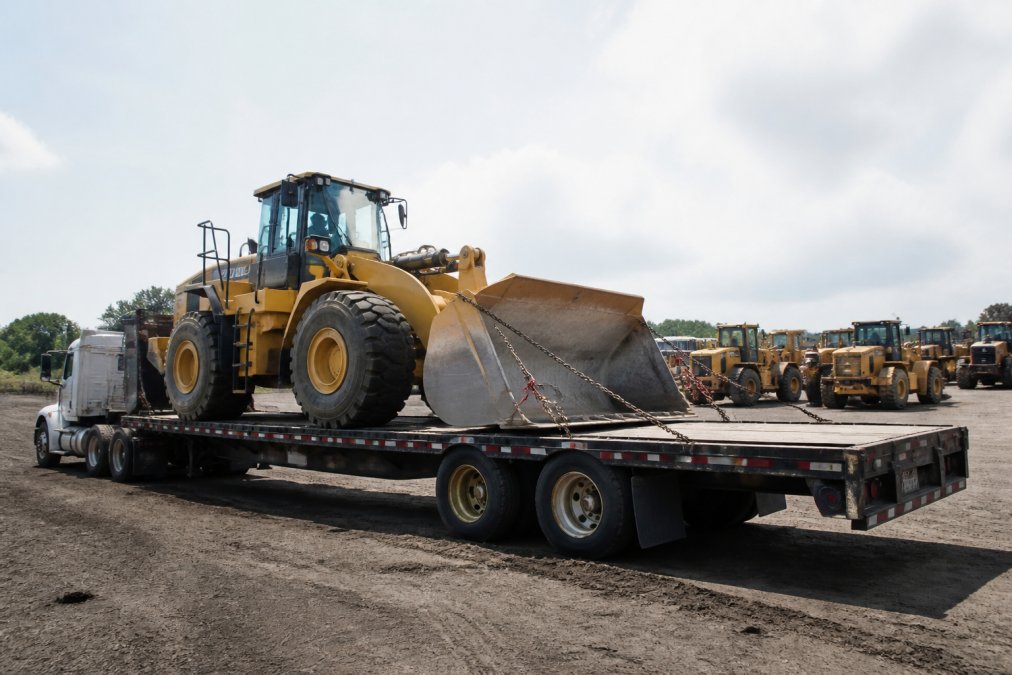
Establish shipping responsibility upfront. Does the buyer arrange and pay for transportation, or do you? If the buyer arranges it, you're not responsible for damage in transit. If you arrange it, you're responsible until the equipment reaches the buyer's location. This distinction matters for liability and insurance.
Get transport quotes from heavy equipment carriers. Shipping costs vary dramatically based on distance, equipment weight, and accessibility of pickup and delivery locations. A 500-mile haul might cost $3,000-$8,000 depending on the carrier and routing. Budget accordingly and communicate costs clearly to buyers.
Verify buyer financing before arranging transport. Shipping equipment to a buyer who can't pay creates a logistics nightmare. Require proof of funds or financing approval before you coordinate pickup. A wire transfer deposit (typically 25-50% of the sale price) protects you while the carrier is in transit.
Document equipment condition before pickup. Take photos and video showing the equipment's pre-transport condition. This protects you if the buyer claims damage occurred during shipping. Have the carrier inspect the equipment at pickup and document any pre-existing damage on the bill of lading.
Coordinate with the carrier on pickup timing. Heavy equipment requires specialized flatbed trailers and experienced drivers. Schedule pickup at least two weeks in advance. Confirm the exact date and time with the buyer so they're prepared.
International sales add complexity. If you're selling to a buyer outside the United States, clarify who handles export documentation, customs paperwork, and international shipping arrangements. Many brokers manage this for you. If you're handling it independently, research export requirements for your equipment category and destination country.
Tax and Accounting Considerations for Equipment Sales
Selling leased equipment triggers tax implications you need to understand. The sale price, depreciation recapture, and capital gains treatment all affect your final after-tax proceeds.
When you sell equipment at a gain (sale price exceeds your remaining book value), you typically owe capital gains tax on the profit. The tax rate depends on whether it's a short-term gain (held less than one year) or long-term gain (held more than one year). Long-term capital gains rates are typically lower than ordinary income rates.
Depreciation recapture is a critical consideration. If you've claimed depreciation deductions on the equipment, the IRS may require you to recapture those deductions as ordinary income when you sell. This can create a significant tax liability even if the sale price is modest. Consult a tax professional to calculate your depreciation recapture obligation.
For business equipment sales, Section 1231 property treatment may apply, which can provide favorable tax outcomes compared to ordinary capital gains. Again, professional guidance is essential, the tax code is complex and mistakes are costly.
Document your basis in the equipment. Your basis is your original cost adjusted for depreciation and improvements. This is the foundation for calculating your gain or loss on sale. Keep records of all depreciation deductions claimed and any capital improvements made during ownership.
Report the sale on your tax return using the appropriate forms. For business property, you'll typically use Form 4797 (Sales of Business Property). Provide your buyer with a Form 1099-B if required by IRS rules (consult a tax professional on reporting requirements).
Consider timing the sale strategically from a tax perspective. If you're in a high-income year, delaying the sale to the next tax year might reduce your overall tax liability. If you have capital losses from other sources, selling equipment at a gain can offset those losses. These are conversations to have with your accountant or tax advisor.
Selling end of lease machinery requires balancing speed, fair pricing, and proper documentation. The process moves fastest when you work with an experienced partner who understands both the equipment and the buyer landscape. Ironmartonline's nine specialized web-based platforms connect your machinery to millions of qualified buyers, eliminating the months-long uncertainty of independent sales. No contracts. No hidden fees. Just straightforward brokerage that gets your equipment sold and your capital deployed to your next investment. Contact Ironmartonline today to get a valuation and list your equipment across their global network of buyers.
Frequently Asked Questions
Can I sell machinery that is currently under a lease agreement?
Yes, you can sell leased machinery, but you must first satisfy the lease agreement. This typically means paying off the remaining buyout value or negotiating an early termination with your lessor. Once the lien is removed and you hold clear title, you're free to sell. The lessor must release their interest in the equipment before any sale can close. Work with your lessor early in the process to understand the exact payoff amount and timeline.
What are the legal implications of selling leased equipment before the term ends?
Early sale of leased equipment triggers several legal considerations. You may owe an early termination fee unless your lease allows for buyout. The lessor retains a lien on the equipment until paid off, and title cannot transfer to a buyer until that lien is removed. Depending on your lease classification (capital vs. operating), there may be tax consequences. Consult your lease agreement and consider speaking with a tax professional or attorney to understand your specific contractual obligations and any potential liability before proceeding.
How does an equipment broker help me sell end of lease machinery faster?
An equipment broker connects your machinery to multiple buyer networks simultaneously, dramatically reducing time on market. Brokers handle marketing, buyer qualification, negotiation, and documentation, freeing you to focus on operations. They understand fair market value, manage logistics coordination, and often have established relationships with buyers across industries. Their expertise in lease buyout process and title transfer requirements prevents costly delays. Rather than listing on a single platform and waiting, brokers leverage specialized web-based marketplaces to reach millions of potential buyers globally and locally.
What should I include in my equipment sale listing to attract buyers quickly?
Include detailed specifications: make, model, year, hours/mileage, engine type, and operational condition. Provide clear photos from multiple angles and highlight any recent maintenance or repairs. List realistic pricing based on fair market value and comparable sales. Be transparent about any wear, damage, or needed repairs, buyers appreciate honesty. Include complete documentation: service records, maintenance history, and proof of ownership. For leased equipment, clarify that the lien will be removed at closing. The more complete your listing, the faster serious buyers will respond and the smoother your transaction will close.
This article was written using GrandRanker