
Table of Contents
- Why Use an Equipment Broker for Selling Heavy Machinery
- Understanding the True Costs of Selling Heavy Machinery Independently
- How to Value Used Construction Equipment Accurately
- Selling Heavy Machinery: Private Party vs. Broker
- Creating a Heavy Equipment Bill of Sale Template
- Preparing Your Equipment for Maximum Sale Value
- Transportation and Logistics: Avoiding Surprise Fees
- Vetting Buyers and Preventing Scams
- Tax Implications and Legal Considerations
- Conclusion
Last Updated: August 11, 2026
Why Use an Equipment Broker for Selling Heavy Machinery
Selling heavy machinery independently sounds straightforward until you encounter the reality: hidden commissions, buyer scams, logistics nightmares, and months of downtime waiting for the right offer. Equipment brokers exist specifically to solve these problems, but not all brokers are equal. The question isn't whether you need help, it's why you'd attempt this alone.
When you list equipment privately, you're competing against professional marketplaces that reach millions of potential buyers globally. Your single listing on a local site gets buried. You handle tire-kickers, negotiate endlessly, manage transportation logistics, and assume liability during the sale process. A qualified Heavy Equipment Broker like Ironmartonline operates across nine specialized web-based selling platforms simultaneously, exposing your machinery to a vastly larger audience without the burden of managing each listing individually. Why use Ironmartonline as your equipment broker? Because they transform a months-long distraction into a streamlined transaction while you focus on your business.
The real advantage of using an equipment broker for selling heavy machinery goes beyond reach. Brokers handle buyer vetting, verify legitimacy, manage payment security, and navigate the legal paperwork that trips up private sellers. They understand equipment valuation based on operating hours, maintenance records, and market conditions, not guesswork. They know which buyers are serious and which are wasting your time. Most importantly, they absorb the operational complexity so you don't have to.
Why use an equipment broker for selling heavy machinery? Because the alternative costs you money in ways you won't see until it's too late. Hidden fees from private sales, extended holding periods that drain your cash flow, liability exposure if something goes wrong post-sale, and the opportunity cost of your time spent managing the process. A professional broker transforms selling from a months-long distraction into a simplified transaction.
Understanding the True Costs of Selling Heavy Machinery Independently
Most sellers focus on the obvious costs: listing fees, transportation, maybe a small commission. What they miss are the invisible expenses that compound throughout the sales process.
When you sell privately, you're responsible for preparing the equipment to market standards. This means mechanical inspections, repairs, cleaning, and documentation gathering. Many sellers underestimate these prep costs, which can run substantial depending on equipment condition and age. You also absorb storage fees while waiting for a buyer, especially if your equipment sits for months without an offer.
Transportation represents another major hidden expense. Private buyers rarely arrange their own logistics, you coordinate the move, handle insurance during transit, and manage liability if the equipment is damaged in transit. Professional brokers have established relationships with equipment transport companies and often negotiate better rates than individual sellers can access.
Buyer vetting costs time that most sellers don't quantify. You spend hours screening inquiries, running credit checks informally, and trying to determine if someone is genuinely interested or just browsing. Fraudulent buyers exist in this space, they'll arrange inspections, negotiate price, and disappear before payment clears. You're left holding equipment and wasted weeks.
The legal and tax implications of equipment sales create additional complexity. Private sales require proper bill of sale documentation, title transfer handling, and tax reporting. Many sellers don't understand their tax obligations on equipment sales or how depreciation affects their bottom line. Missing these details creates compliance risks that surface during tax season.
Finally, pricing strategy matters enormously. Without access to comparable sales data across multiple markets, private sellers often underprice their equipment. You might accept an offer that's below market value simply because you lack visibility into what similar machinery actually sold for. That's not a small hidden cost, it's potentially thousands of dollars left on the table.
How to Value Used Construction Equipment Accurately
Valuation is where most private sellers stumble. You can't price equipment based on what you paid for it years ago or what you think it's worth. Market value depends on specific factors that require systematic evaluation.
Operating hours form the foundation of equipment valuation. A dozer with 5,000 hours commands a different price than one with 15,000 hours, even if they're the same model year. Excavators, dump trucks, and combines all depreciate based on accumulated operating time. Buyers verify this through diagnostic readings or service records, so inflating hours is pointless and damages credibility.
Maintenance records directly affect value. Equipment with documented service history, regular oil changes, and repairs sells for a premium. Buyers trust machines with clear maintenance trails. Missing records signal potential hidden problems and justify lower offers. If you've maintained your machinery properly, that documentation is your proof of value.
Equipment condition assessment requires honest evaluation across multiple dimensions. Check hydraulic systems, engine performance, structural integrity, tire condition, and paint or corrosion. Buyers conduct pre-purchase inspections anyway, so misrepresenting condition only delays the sale or kills deals at the last moment.
Market comparables provide your pricing anchor. Look at what similar equipment actually sold for recently, not asking prices that may never close. This requires access to sales data across multiple platforms and geographic markets, information private sellers rarely have. Professional brokers track these comparables continuously.
Age and depreciation curves vary by equipment type. Construction machinery depreciates faster in the first five years, then more gradually. Agricultural equipment follows different patterns than industrial trucks. Understanding these curves prevents overpricing older equipment or undervaluing newer machines.
Seasonal demand affects pricing. Heavy equipment sells differently in spring versus winter, depending on construction cycles and agricultural seasons. Timing your sale strategically can mean price differences for the same machinery.
Selling Heavy Machinery: Private Party vs. Broker
The choice between private sales and broker services isn't about fees alone, it's about control, reach, and risk management.
Private party sales offer maximum control. You set the price, manage negotiations directly, and keep all proceeds minus transportation. If you have time, patience, and strong negotiating skills, you might achieve good results. However, control comes with responsibility for every aspect of the transaction.
Private sales require you to be available for inquiries, arrange showings, handle buyer questions about specifications and condition, and manage logistics. You're essentially running a sales operation from your phone and email. This works if you have one or two pieces of equipment to move. Scale this to five or ten machines, and the administrative burden becomes overwhelming.
Buyer quality varies dramatically in private sales. You might get serious buyers ready to move quickly, or you might spend weeks communicating with tire-kickers who have no intention of purchasing. Vetting legitimacy takes time and carries fraud risk. You won't know if a buyer's financing is solid until late in the process, sometimes after you've already committed to the sale.
Broker services eliminate operational complexity. A Heavy Equipment Broker handles buyer outreach, vetting, and qualification. They list your equipment across multiple platforms simultaneously, dramatically expanding reach. They manage negotiations and handle payment security through established processes. You're removed from the day-to-day friction of selling.
Brokers bring market expertise you develop only through handling dozens of sales. They know fair pricing for current conditions, understand seasonal demand patterns, and can advise on optimal timing. They've handled every variation of buyer question and objection, so they negotiate efficiently.
The trade-off is that brokers take a commission or fee. This cost is real, but it should be weighed against what you gain: faster sales, higher prices from broader exposure, eliminated fraud risk, and your time back. Many sellers find that the price premium from broader reach and faster sales exceeds the broker's fee.
| Factor | Private Sale | Equipment Broker |
|---|---|---|
| Time Required | High (weeks of management) | Minimal (you're uninvolved) |
| Buyer Reach | Limited to your marketing | Millions across multiple platforms |
| Fraud Risk | You absorb all risk | Broker handles vetting and verification |
| Pricing Strategy | Your judgment | Market-based data and expertise |
| Payment Security | Direct transfer (risky) | Established secure processes |
| Legal Documentation | You manage | Broker handles or guides |
Creating a Heavy Equipment Bill of Sale Template
A bill of sale is your legal protection in equipment sales. It documents the transaction, transfers liability, and provides proof of sale for tax and regulatory purposes. Many private sellers skip this step or use informal agreements, a mistake that creates liability exposure.
A proper heavy equipment bill of sale template should include specific information about the machinery being sold. Include the equipment type, manufacturer, model number, serial number, and year of manufacture. Serial number verification is critical because it prevents disputes about which specific machine was sold and protects against stolen equipment.
Document the purchase price clearly. State the exact amount, payment method, and any conditions (deposit held, balance due at delivery, etc.). Include the date payment was made and received. This creates a clear record for both parties and for tax purposes.
Identify both the seller and buyer with full legal names, addresses, and contact information. If either party is a business entity, include the business name and ownership details. This ensures the agreement is binding and enforceable.
Include a statement transferring all liability from seller to buyer effective at a specific date and time. This is crucial, you want to be clear about when the buyer assumes responsibility for the equipment. If something breaks during transport or shortly after delivery, the bill of sale should specify who bears that risk.
Add a section confirming equipment condition at the time of sale. You can state "sold as-is" or note specific known issues. Many sellers include language like "Buyer has inspected the equipment and accepts it in current condition." This protects you from later claims that the equipment was misrepresented.
Request that the buyer acknowledge receipt of all keys, documentation, maintenance records, and other materials included in the sale. This prevents disputes about what was supposed to transfer with the equipment.
Have both parties sign and date the document. Each party should keep a copy. Consider having signatures witnessed or notarized, especially for high-value equipment, to strengthen the document's legal standing.
Preparing Your Equipment for Maximum Sale Value
Equipment condition directly determines selling price. A well-maintained machine sells faster and commands premium pricing. Preparation before listing is an investment that typically returns several times over.
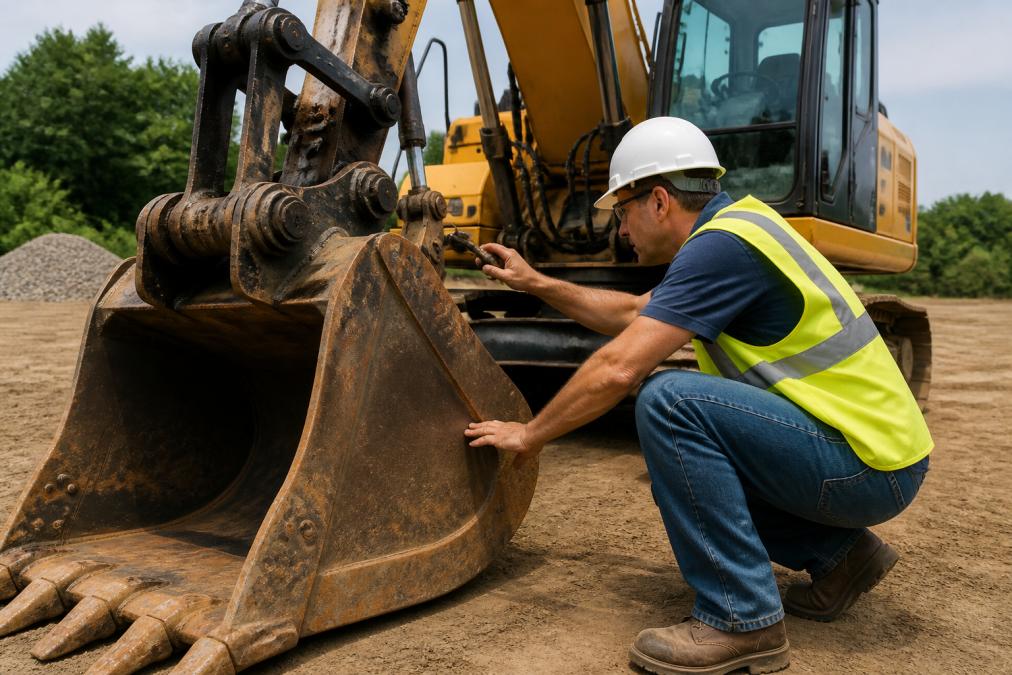
Start with mechanical inspection and necessary repairs. Have a qualified technician evaluate the engine, hydraulics, transmission, and all major systems. Document what's working and what needs attention. Minor repairs are worth making before sale, they cost less now than they'll cost a buyer to discover and fix later. Major repairs might not be worth doing; instead, disclose them clearly and price accordingly.
Clean the equipment thoroughly. Pressure wash the exterior to remove dirt and grime. Clean the operator cabin or cab. Polish chrome and metal surfaces. A clean machine creates a positive first impression and suggests it's been well-maintained. Buyers often judge condition by appearance before they ever look at mechanical details.
Gather and organize all documentation. Collect maintenance records, service logs, repair receipts, and original purchase documentation if available. Operating hour records are critical, buyers will verify these, so accuracy matters. If records are incomplete, be honest about it rather than creating false documentation.
Test all systems and functions before listing. Verify that hydraulics operate smoothly, all lights work, controls respond properly, and safety features function. If something doesn't work, fix it or disclose it. Buyers expect to test-run equipment, and surprises during testing kill deals.
Address cosmetic issues that are inexpensive to fix. Repaint areas with significant rust or corrosion. Replace missing or damaged decals. Fix broken mirrors or lights. These small details signal that the equipment has been cared for.
Document current condition with photographs and video. Take images from multiple angles, showing overall condition and close-ups of any damage or wear. Video of the equipment running provides powerful proof of mechanical function. Professional photos and video increase buyer confidence and support higher pricing.
Transportation and Logistics: Avoiding Surprise Fees
Transportation costs represent a major hidden expense in equipment sales. Many sellers underestimate these costs or assume the buyer will handle them, both mistakes that lead to financial surprises.
Understand who pays for transportation before you agree to a sale price. "Delivered" pricing means you cover all transport costs. "FOB origin" means the buyer assumes transportation costs. This distinction is critical because transport costs for heavy equipment can be substantial. A dozer or excavator moved cross-country might cost thousands in fuel, permits, and specialized equipment.
Get transport quotes before finalizing the sale. Contact equipment transport companies and request firm quotes based on the equipment specifications, current location, and delivery destination. Don't estimate, get actual quotes. Transport costs vary based on distance, equipment size and weight, route complexity, and current fuel prices.
Understand the permits and regulations required for moving heavy equipment. Oversized or overweight loads require special permits in most states. Some equipment requires escort vehicles. Certain routes are restricted. Professional transport companies handle these requirements, but they add cost. Know what's required before you're surprised at the last moment.
Verify insurance coverage during transit. Your equipment insurance likely doesn't cover it once it leaves your property. The transport company carries liability insurance, but you should confirm coverage limits and understand what's protected. If the equipment is damaged in transit, you need to know who bears that loss.
Confirm delivery logistics with the buyer before the sale closes. Understand exactly where the equipment will be delivered, what site conditions are required (firm ground, access roads, etc.), and who will be present to receive it. Miscommunication about delivery creates disputes and delays.
Plan for equipment downtime. The period between when the buyer takes possession and when they actually receive the equipment is a gap where you're no longer responsible but the buyer doesn't yet have the machinery. Clarify this timeline and ensure both parties understand the schedule.
Vetting Buyers and Preventing Scams
Fraud in equipment sales typically follows predictable patterns. Recognizing these patterns protects you from the most common scams.
Legitimate buyers move quickly once they've decided to purchase. They verify financing, arrange transportation, and close the deal within days or weeks. Buyers who string out negotiations for months, keep asking for price reductions, or constantly change terms are often not serious. Trust your instinct when something feels off.
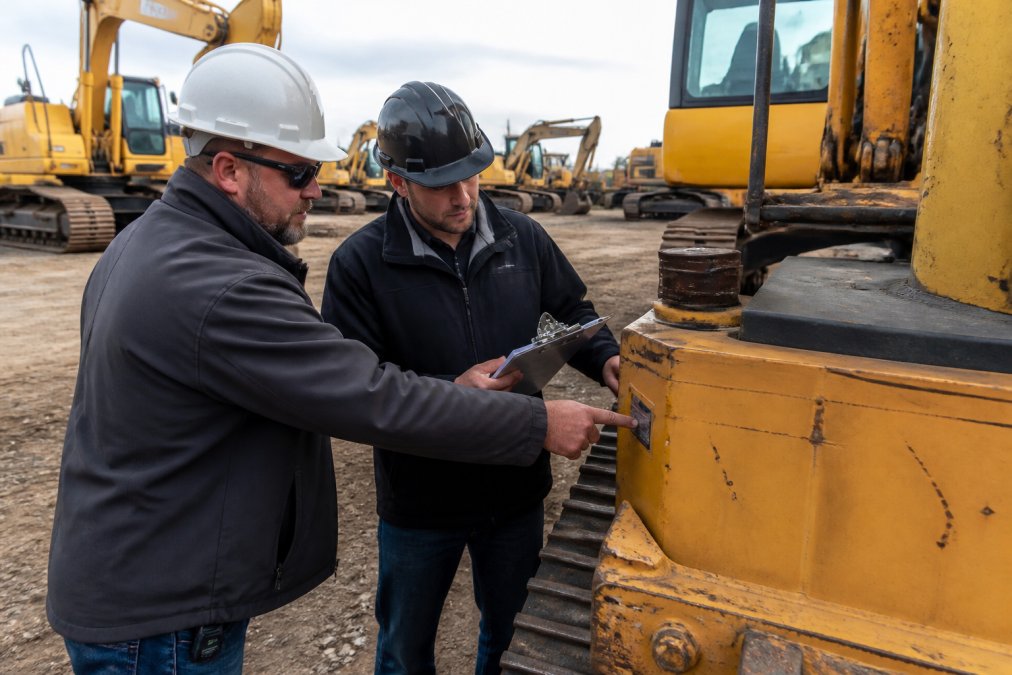
Verify buyer legitimacy before committing to a sale. Ask for business references, check their business registration if they're a company, and look for online reviews or reputation information. A legitimate buyer won't object to providing this information. Scammers often disappear when asked for basic verification.
Require secure payment methods. Wire transfers to verified accounts, cashier's checks, or payment through established escrow services protect you. Never accept personal checks or promises to pay later. Don't release equipment until payment clears completely. Wire transfers can be reversed, so confirm funds are truly settled before handing over keys and documentation.
Request a deposit before making the equipment available for inspection. A genuine buyer will put money down to secure the equipment. The deposit amount should be substantial enough to demonstrate commitment. If a buyer won't put down a deposit, they're not serious.
Conduct inspections in safe, public settings if possible. If a buyer insists on inspecting at an isolated location or at unusual hours, that's a warning sign. Have another person present during inspections. Document what equipment and documentation the buyer inspects.
Be cautious of buyers offering unusually high prices. If an offer seems too good to be true, it probably is. Scammers sometimes offer inflated prices to build trust, then create problems later to renegotiate down or disappear entirely. Know the market value and be skeptical of offers significantly above it.
Verify that buyer financing is actually approved before you commit. Ask to see proof of funds or a financing commitment letter from their lender. Don't accept vague assurances that "financing will be approved." Deals that depend on financing falling through create disputes and delays.
Tax Implications and Legal Considerations
Equipment sales trigger tax obligations that many sellers overlook until tax season arrives. Understanding these implications prevents surprises and ensures compliance.
The IRS treats equipment sales as capital transactions. If you sell equipment for more than your adjusted basis (original cost minus depreciation), you have a capital gain. If you sell for less than adjusted basis, you have a capital loss. These gains and losses affect your tax liability, so accurate record-keeping matters.
Depreciation recapture applies to most business equipment. If you've depreciated equipment over time for tax purposes, selling it triggers recapture, you must pay tax on the depreciation you claimed. This is separate from capital gains tax and often surprises sellers who didn't account for it.
Sales tax obligations vary by state and depend on whether you're a dealer or a private seller. Some states require sales tax collection on equipment sales. Others exempt used equipment or have different rules for business-to-business sales versus sales to consumers. Verify your state's requirements before the sale closes.
Document the sale properly for tax purposes. Your bill of sale should clearly state the sale price and equipment details. Keep records of all costs associated with the sale, advertising, inspection, repairs, transportation. These costs reduce your net proceeds and affect your tax calculation.
Consider consulting a tax professional before finalizing a major equipment sale. The tax implications are complex and vary based on your business structure, the equipment type, and your state's rules. Professional guidance prevents costly mistakes.
Liability transfer is a legal consideration separate from taxes. Your bill of sale should clearly transfer all liability to the buyer as of a specific date. Once the buyer takes possession, you should have no further responsibility for the equipment. However, liability can extend beyond physical possession in some cases, so clear documentation is essential.
Ensure the title transfer is completed properly. For equipment with titles (trucks, trailers), transfer ownership through your state's DMV or equivalent. For equipment without formal titles, your bill of sale serves as the transfer document. Either way, proper documentation protects both parties and prevents future disputes.
Selling heavy machinery without hidden fees requires more than just finding a buyer, it demands understanding the true costs, valuing equipment accurately, and protecting yourself legally. The process involves preparation, vetting, documentation, and often professional guidance. A Heavy Equipment Broker specializes in connecting serious buyers and sellers across multiple specialized platforms, handling the complexity that trips up private sellers. With proper preparation and the right support, you can move equipment efficiently while maximizing your net returns.
Frequently Asked Questions
What are the most common hidden costs when selling heavy machinery?
Hidden costs include storage fees if equipment sits unsold, transportation and logistics charges that vary by distance and equipment weight, inspection and certification fees, title transfer and documentation costs, and unexpected repair expenses discovered during buyer inspections. Commission structures that aren't clearly disclosed upfront can also surprise sellers. Working with a transparent broker eliminates many of these surprises by clearly stating all fees before listing.
Is it better to sell equipment privately or through a broker?
Private sales give you control but require you to handle marketing, vetting, logistics, and liability. Brokers provide access to millions of buyers across multiple platforms, handle the vetting process, manage documentation, and typically offer transparent fee structures with no hidden costs. For contractors and fleet managers, brokers save time and reduce the risk of scams while often achieving better final sale prices due to wider buyer reach.
How do I create a proper bill of sale for heavy equipment?
A heavy equipment bill of sale should include the seller and buyer names, equipment description (make, model, serial number, operating hours), sale price, payment terms, equipment condition statement, and date of transfer. Include statements about any warranties or 'as-is' conditions. Have both parties sign and keep copies for tax and title transfer records. Many brokers provide bill of sale templates that comply with state requirements.
What documentation do I need to sell heavy machinery transparently?
Essential documents include the bill of sale, title or ownership proof, maintenance and repair records, inspection reports, serial number verification, operating hour logs, and any warranty information. These documents build buyer confidence, justify your asking price, and protect you legally. They also help prevent disputes after the sale and ensure smooth title transfers. A reputable broker will guide you on which documents are required for your specific equipment and buyer location.
This article was written using GrandRanker