
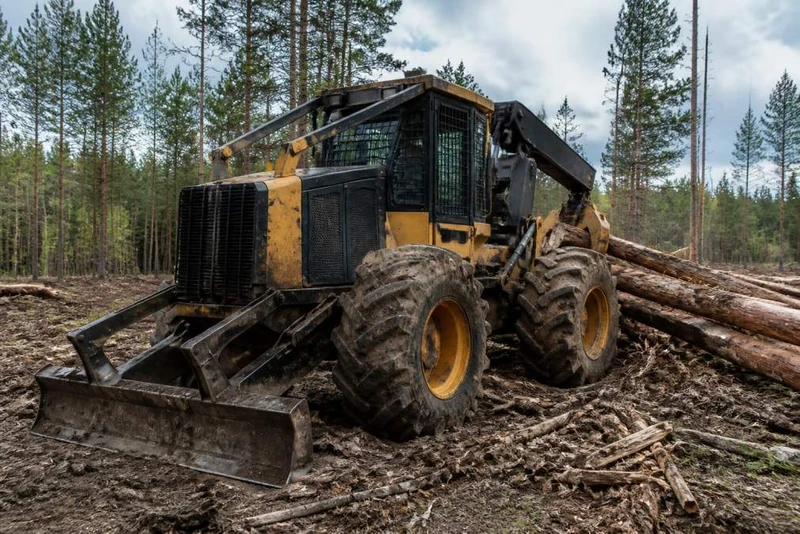
Table of Contents
- Why Sell Your Skidder Yourself Instead of Trading It In?
- Step 1: Determine What Your Skidder Is Worth
- Step 2: Prepare the Machine for Inspection and Photos
- Step 3: Find the Best Online Marketplaces for Logging Equipment
- Step 4: Write a Listing That Attracts Serious Buyers
- Step 5: Vet Buyers and Handle the Paperwork
- Step 6: Use a Bill of Sale Template for Heavy Equipment
- Common Mistakes to Avoid in a Private Skidder Sale
- Conclusion: Is the DIY Route Right for You?
- Frequently Asked Questions
Last Updated: September 5, 2026
The global forestry equipment market is projected to reach USD 12.3 billion in 2026, according to Global Market Insights' 2026 forestry equipment analysis. For owner-operators and small logging crews, that value often sits idle in a yard when a grapple skidder or cable skidder finishes its season. Selling used forestry skidders without a dealer is a proven way to keep more of that equity, but it demands a different skill set than handing over the keys and waiting for a check.
At Ironmartonline, we have watched thousands of private equipment transactions succeed and fail. The difference rarely comes down to the machine itself. It comes down to preparation, pricing discipline, and documentation. But before you commit to the private route, ask yourself: why use Ironmartonline equipment broker instead of going it alone? The honest answer is that a broker earns its fee by handling the buyer vetting, global exposure, and paperwork that sink most DIY sales. If you have the time and mechanical confidence, the steps below will help you sell direct. If you do not, that is exactly what a brokerage exists for.
Private sales of used forestry skidders can return thousands more than a trade-in allowance at a dealership. The trade-off is that you become responsible for marketing, inspection, negotiation, and legal transfer. This guide covers the full process, from valuation to bill of sale, so you can decide which path fits your situation.
Why Sell Your Skidder Yourself Instead of Trading It In?
A trade-in is the most convenient option and almost always the most expensive one you will choose. Dealerships build their margin into the trade allowance, and skidder pricing in the used market reflects that gap. Current listings for used skidders range from USD 3,400 to USD 410,850 depending on age, hours, and configuration, per Machinery Trader's 2026 used skidder inventory data. Selling privately lets you capture a price closer to that upper range rather than the wholesale figure a dealer offers.
Purpose-built skidders hold their value differently than modified farm tractors. Research published in MDPI's Forests Journal analysis of second-hand forestry equipment resale prices found that dedicated logging machines follow distinct depreciation curves that reward owners who sell at the right hour-meter threshold. If your grapple skidder has passed 10,000 operating hours, the window for maximum resale value narrows quickly.
The private route also gives you control over timing. A dealer trades when it suits their lot inventory. You can list when seasonal demand for timber harvesting peaks in your region, which typically means late summer through early winter.
Step 1: Determine What Your Skidder Is Worth
Market value is the anchor for every negotiation, so research it before you photograph anything. The skidders market is projected to grow at a 4.8% CAGR through the early 2030s, driven by demand for efficient tree handling equipment, according to DataIntelo's Skidders Market Research Report 2033. That growth means steady buyer demand, but it does not mean every asking price is justified.
A forestry skidder valuation guide should start with comparable listings rather than dealer asking prices. Look at machines with similar hours, undercarriage condition, and hydraulic system health. Note the differences between grapple skidders and cable skidders, since grapple units typically command a premium because they require less manual labor on site.
Depreciation accelerates once a machine passes certain service milestones. Major powertrain work, a replaced transmission, or a rebuilt hydraulic system resets part of the value curve, but only if you have the service records to prove it. Without documentation, assume buyers will price your machine as if the work never happened.
Step 2: Prepare the Machine for Inspection and Photos
A clean skidder photographs better and sells faster, but preparation goes beyond a pressure wash. Start with a full preventative maintenance pass: change fluids, replace worn filters, and address any hydraulic leaks that would show up in a buyer's inspection. A machine that starts cold and runs smoothly at idle signals mechanical condition that words cannot convey.
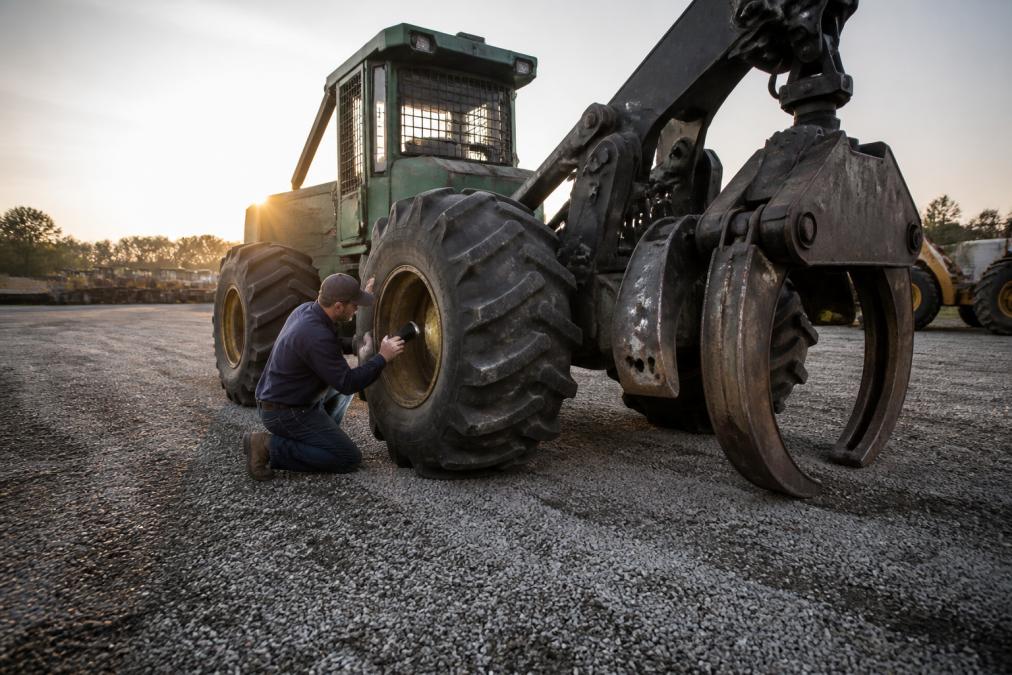
Photography separates serious private sellers from tire-kickers. Shoot in daylight, never in a dark shed. Capture the machine from all four corners, then add close-ups of the grapple, the undercarriage, the cab interior, and the hour meter. Buyers evaluating logging machinery online make decisions from these images, so blurry or incomplete photos will push them to dealer inventory instead.
Gather every service record you have. A binder with preventative maintenance logs, repair receipts, and the original manual adds credibility that few private listings offer. If you have documentation of operating hours from a telematics system, include that too.
Step 3: Find the Best Online Marketplaces for Logging Equipment
The best online marketplaces for logging equipment fall into two categories: auction platforms and classified listing sites. Auction platforms generate urgency through bidding windows, while classified sites let your listing sit until the right buyer appears. The market has shifted toward direct-to-buyer online sales, with specialized platforms handling private listings and live bidding, according to ForestryTrader and AuctionTime's 2026 marketplace data.
Heavy equipment marketplaces dominate the category, but their fee structures vary widely. Some charge flat listing fees regardless of outcome. Others take a commission percentage only when the machine sells. Before you commit to any platform, calculate the total cost against your expected sale price.
Niche forestry sites reach the right buyers, but they reach fewer of them. A broader heavy equipment marketplace exposes your skidder to loggers, land clearing contractors, and rental houses that might not browse a forestry-only site. If your budget allows, list on two platforms: one niche, one broad.
Step 4: Write a Listing That Attracts Serious Buyers
Your listing is a legal document as much as a sales pitch, so accuracy protects you. State the manufacturer, model year, serial number, and operating hours in the first line. Buyers filter search results by these fields, and a complete header ensures your machine appears in the right searches.
Describe the mechanical condition honestly. Note any recent preventative maintenance, replaced components, or known issues. A buyer who discovers an undisclosed problem after traveling to inspect the machine will walk away, and they will tell other buyers about the experience.
Include the machine's service history in the description. Forestry equipment buyers expect to see documented maintenance, not just a claim that the unit was "well maintained." If you cannot produce records, say the unit has been serviced by a named shop and offer the buyer the shop's contact information for verification. handling title transfers.
Step 5: Vet Buyers and Handle the Paperwork
Private party sales of high-value assets attract a specific type of fraud. The Federal Trade Commission's guidance on online auction fraud consistently flags heavy equipment as a top category for scams, often involving fake cashier's checks or overpayment schemes. A skidder priced in the five or six figures is a prime target, so your vetting process must be as rigorous as a dealer's credit department.
Verify the buyer's identity and business legitimacy before you share your address. A serious buyer will have a verifiable business presence. Ask for their full legal name, the name of their logging or land-clearing company, and their USDOT number if they operate commercially. Cross-reference this information on the FMCSA's public database. If the buyer claims to be an independent contractor or broker, request their state contractor's license number and verify it with the issuing board. A legitimate buyer will not hesitate to provide this; a scammer will make excuses.
Require a non-refundable deposit to lock in the inspection. This is the single most effective filter. A wire transfer or a deposit held in escrow demonstrates serious intent. Scammers are unwilling to put real money at risk. Be wary of buyers who insist on paying the full amount sight-unseen via a cashier's check or who propose using their own 'shipping agent.' These are common red flags in equipment fraud, as detailed in the FBI's Internet Crime Complaint Center (IC3) reports.
Use a qualified escrow service for the final transaction. For a private sale, an escrow service acts as the neutral third party that holds the buyer's funds until the machine is delivered and accepted. This protects you from payment fraud and protects the buyer from misrepresentation. When selecting an escrow service, verify it is a legitimate, licensed entity. Do not use a service recommended by the buyer; research and choose your own. The Escrow Institute and the American Escrow Association offer directories of accredited members.
Understand the legal transfer requirements in your state. The Uniform Commercial Code (UCC) governs the sale of goods, but title and registration rules for off-road equipment vary by state. Some states, like Texas and Pennsylvania, require a notarized title or a Manufacturer's Certificate of Origin for newer units. Others, like Georgia and Alabama, accept a properly executed bill of sale. You must also check for any outstanding liens against the machine. A UCC lien search through the secretary of state's office in the state where the machine was purchased or registered will reveal if a bank or finance company has a claim on it. Never release the machine until you have received the funds in your bank account and have provided the buyer with a signed lien release if one is applicable.
This level of diligence is what a dealer would perform on your behalf. When you sell privately, you inherit this responsibility. Skipping it is the fastest way to turn a profitable sale into a significant financial loss.
Step 6: Use a Bill of Sale Template for Heavy Equipment
The bill of sale is more than a receipt; it is the legal instrument that transfers ownership and defines the terms of the transaction. A generic template is not sufficient for a machine of this value. Your bill of sale must be a comprehensive document that protects you from post-sale disputes and ensures a clean title transfer.
Essential clauses for a forestry skidder bill of sale:
- Parties and Consideration: Full legal names, addresses, and contact information for both buyer and seller. State the purchase price in both numbers and words.
- Machine Description: Include the make, model, year, and Vehicle Identification Number (VIN) or Product Identification Number (PIN). This is critical for title transfer and law enforcement registration.
- Condition and Warranty Disclaimer: An 'AS IS, WHERE IS' clause is paramount. This explicitly states the machine is sold in its current condition without any warranties, express or implied, including merchantability or fitness for a particular purpose. This language is your primary defense against a buyer claiming the machine is defective after the sale.
- Inspection Acknowledgment: A statement that the buyer has had the opportunity to inspect the machine, has performed any tests they deemed necessary, and accepts the machine's condition based on that inspection.
- Lien Disclosure: A warranty from the seller that the machine is free and clear of all liens and encumbrances, except as disclosed in the bill of sale. This protects the buyer from future claims by creditors.
- Risk of Loss: Specify the exact moment the risk of loss transfers from seller to buyer. Typically, this is when the buyer or their designated carrier takes possession of the machine. This is critical for insurance purposes.
- Entire Agreement: A clause stating that the bill of sale constitutes the entire agreement between the parties and supersedes any prior oral or written agreements. This prevents a buyer from claiming you made verbal promises about the machine's condition.
- Governing Law: State that the agreement is governed by the laws of the state where the transaction is taking place.
The tax angle most private sellers miss. When you sell a skidder for more than its depreciated book value, the profit is subject to depreciation recapture and capital gains tax. The IRS treats the sale of business equipment under Section 1245 of the Internal Revenue Code. The portion of the gain attributable to depreciation you've claimed is taxed as ordinary income, up to the depreciation taken. Any remaining gain is taxed as a long-term capital gain. You will need to report this sale on IRS Form 4797 (Sales of Business Property) when you file your taxes. The bill of sale is your primary documentation for establishing the sale price and date, which are essential for calculating your tax liability. Keep a copy of the bill of sale and all related expense receipts for at least seven years.
A well-drafted bill of sale is not a formality; it is a legal shield. It protects you from liability, confirms the transfer of ownership, and provides the necessary documentation for both the buyer's registration and your tax reporting. Investing the time to get this document right is as important as getting the right price for your machine.
Common Mistakes to Avoid in a Private Skidder Sale
The most common mistake is skipping the inspection. Private sellers who list a machine without a recent equipment inspection invite disputes when buyers find issues the seller never disclosed. If you are not confident evaluating undercarriage condition or hydraulic system health yourself, pay a mechanic to inspect the machine before you list it. The cost is small compared to the liability you avoid.
Pricing based on emotion is the second most common error. Your attachment to the machine and the money you spent on repairs does not influence market value. Use comparable listings and depreciation data to set a realistic asking price, and be prepared to negotiate. A skidder that sits for three months because the price is too high costs you more in storage and lost value than a quick sale at a fair price.
Finally, do not skip the logistics planning. A skidder is not a pickup truck. Arrange for a lowboy trailer and confirm the buyer's site can accept the machine's weight before you agree to deliver. Transportation costs should be settled in writing before the sale closes, not negotiated after the machine is loaded.
Conclusion: Is the DIY Route Right for You?
Selling used forestry skidders without a dealer works best for owners who have time, mechanical knowledge, and documentation. The process demands honest valuation, thorough preparation, and disciplined buyer vetting, but the payoff is keeping the dealer margin in your pocket.
If that process sounds like more than you want to take on, Ironmartonline handles the heavy lifting through nine web-based selling platforms that reach millions of potential buyers. Our heavy equipment brokerage connects you with qualified buyers globally and locally, with no contracts and no hidden fees, so you get the machine sold without the paperwork burden.
Frequently Asked Questions
What documents are required to sell a used forestry skidder privately?
You need a signed bill of sale, the original title or certificate of ownership, and a release of any liens. A bill of sale template for heavy equipment should include the machine's serial number, both parties' names and addresses, the sale price, and the date. Check your state's department of motor vehicles for specific title transfer rules, as logging machinery requirements vary. Keep copies of all documents for your tax records.
How do I determine the fair market value of a used skidder?
Start with a forestry skidder valuation guide that factors in machine age, operating hours, and undercarriage condition. Recent auction results and active listings show that used skidder prices range widely based on configuration. A grapple skidder with low hours and documented service records commands a premium over a cable skidder with high hours. Compare at least five comparable machines before setting your asking price.
How can I safely accept payment for a high-value forestry machine?
For private sales, use a bank wire transfer or a cashier's check issued at the buyer's bank, where you can verify funds in person. Never accept a standard personal check. Consider using an escrow service for transactions to protect both parties. Confirm the funds have cleared before releasing the machine or signing over the title. Be cautious of buyers who overpay and request a refund of the difference.
What are the risks of selling heavy equipment without a dealer?
The main risks include buyer fraud, liability after the sale, and underpricing your machine. Vetting buyers thoroughly and using a detailed bill of sale that states the equipment is sold 'as-is' reduces legal exposure. You also handle your own marketing, which means your listing may reach fewer buyers than a national platform. Without dealer support, you are responsible for managing inquiries and negotiating with potential buyers directly.
Selling a skidder privately is a real test of patience and preparation. The buyers who pay top dollar expect documentation, honest disclosures, and a professional listing. Ironmartonline brings that same standard to every sale, connecting you with serious buyers across nine specialized platforms. Get started with Ironmartonline and turn your used forestry skidders into cash without the dealer markup.
This article was written using GrandRanker