
Table of Contents
- Why Use Ironmartonline Equipment Broker for Your Heavy Machinery Sales
- Used Heavy Machinery Market Trends 2026: Overview and Valuation
- Market Growth and CAGR Projections Through 2035
- Top Demand Heavy Machinery 2026 and Regional Performance
- Best Practices for Buying Used Construction Equipment
- Heavy Equipment Inspection Checklist for Buyers and Sellers
- Supply Chain Dynamics and Inventory Trends Affecting Pricing
- Financing, Lifecycle Costs, and Sustainability Compliance
- Conclusion
Last Updated: August 14, 2026
Why Use Ironmartonline Equipment Broker for Your Heavy Machinery Sales
The used heavy machinery market moves fast. Equipment depreciates daily, inventory sits idle, and finding qualified buyers often takes months through traditional channels. At Ironmartonline, we've simplified this process by connecting sellers directly to millions of potential buyers across nine specialized web-based selling platforms. But before diving into market trends and valuation strategies, consider this fundamental question: Why use a Heavy Equipment Broker when so many listing sites exist?
The answer lies in reach and efficiency. A professional Heavy Equipment Broker eliminates that friction. Our nine integrated platforms expose your machinery to a global audience without locking you into contracts or surprise charges. Whether you're a construction contractor selling surplus excavators, a fleet manager liquidating heavy-duty trucks, or an owner-operator moving individual machines, the platform connects you to serious buyers faster than traditional methods.
The real difference shows in results. Your listing reaches equipment dealers, rental companies, international buyers, and direct operators simultaneously. That's practical distribution that moves inventory.
This guide covers the used heavy machinery market trends 2026 and what they mean for your selling strategy. We'll examine valuation, regional demand, and pricing mechanics in today's market. Understanding market conditions alone won't maximize your returns. You need a platform that understands the equipment lifecycle, respects your timeline, and connects you to qualified buyers without bureaucratic overhead.
Used Heavy Machinery Market Trends 2026: Overview and Valuation
The used heavy machinery market in 2026 reflects a stabilizing economy with steady capital expenditure across construction, agriculture, and logistics. Equipment valuation has normalized after post-pandemic volatility, creating a predictable environment for buyers and sellers.
Low-hour machines command premium pricing. Equipment with fewer than 5,000 operational hours typically sells at 65-75% of original manufacturer pricing. Mid-hour machines (5,000-15,000 hours) settle in the 45-60% range, while high-hour equipment (15,000+ hours) drops to 25-40%. These benchmarks shift based on equipment type, brand reputation, and regional demand.
The secondary market has matured considerably. Buyers now conduct detailed inspections, request maintenance records, and verify operational history before committing. Pricing stabilization means less volatility but also less room for overpricing, realistic valuations sell faster.
Asset depreciation follows predictable patterns. Excavators, dozers, and wheel loaders depreciate roughly 10-15% annually in years one through five, then 5-8% annually thereafter. Understanding your equipment's position in the depreciation curve helps set competitive asking prices that attract serious buyers.
Market Growth and CAGR Projections Through 2035
The heavy equipment market is projected to grow at 4-6% compound annual growth rate through 2035, but this growth is not evenly distributed across equipment categories, regions, or price tiers.
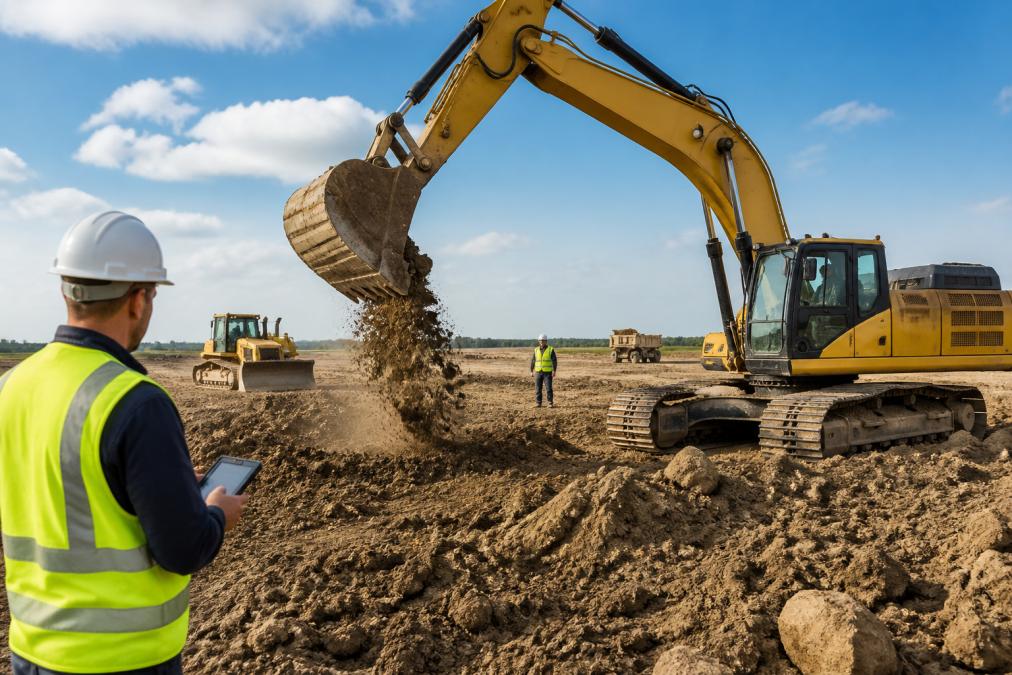
Infrastructure spending remains the primary growth engine. Federal and state funding continues flowing into construction projects through 2026-2027, driving fleet modernization cycles. For sellers, this means equipment moves faster but at market rates rather than inflated pandemic-era prices.
Agricultural equipment demand follows commodity cycles. Grain prices and input costs determine farmer purchasing power. Monitoring agricultural commodity futures provides early signals about used farm equipment demand 3-6 months ahead.
Logistics and fleet modernization creates predictable secondary-market waves. Companies that purchased trucks in 2018-2019 will rotate them in 2024-2026, flooding the used market with 5-7 year old equipment. Understanding these rotation cycles helps sellers time listings strategically.
Emission standard transitions accelerate equipment turnover. Equipment manufactured before 2010 increasingly fails to meet state and local air quality regulations. Equipment manufactured 2010-2014 faces phase-out in some regions by 2027-2028, creating urgency for buyers to upgrade to compliant machines.
Regional variations in growth rates are significant. Sunbelt states show 6-8% annual growth due to population migration and construction activity. Midwest agricultural regions maintain 3-4% growth. Industrial corridors near major ports experience 5-7% growth. Sellers should research regional growth trajectories before pricing.
Top Demand Heavy Machinery 2026 and Regional Performance
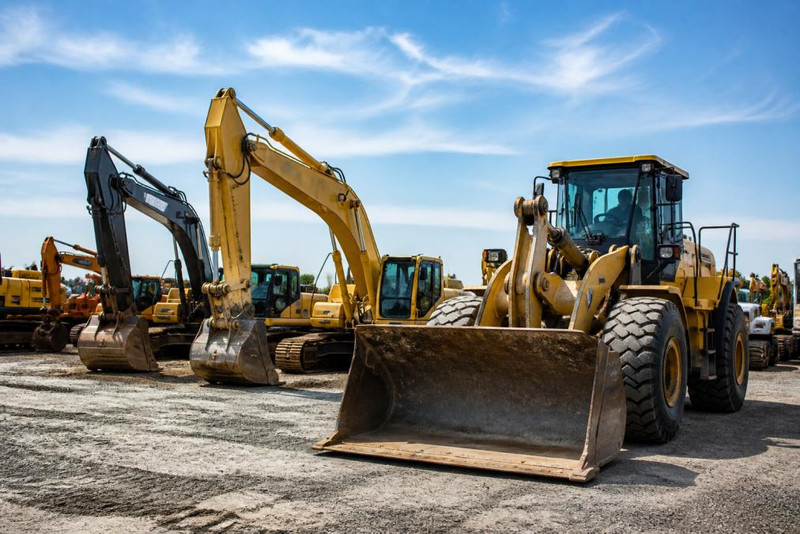
Excavators lead demand in 2026, particularly mid-size models (20-35 ton class) used in utility work and site preparation. Dozers rank second, with steady demand from land clearing and agricultural operations. Wheel loaders maintain strong demand for material handling and site cleanup.
Heavy-duty trucks and trailers represent a significant segment as fleets continuously rotate equipment. Telehandlers and rough-terrain forklifts show growing demand as contractors seek versatile equipment.
Regional performance varies by equipment type. Construction-heavy regions see stronger demand for excavators and dozers. Agricultural zones prioritize tractors and combines. Port and logistics areas focus on heavy trucks. Sellers should research their region's primary equipment demand before listing.
Best Practices for Buying Used Construction Equipment
Establish clear criteria before searching: equipment type, age range, acceptable operational hours, budget, and intended application. This focus prevents emotional purchases and keeps you aligned with actual needs.
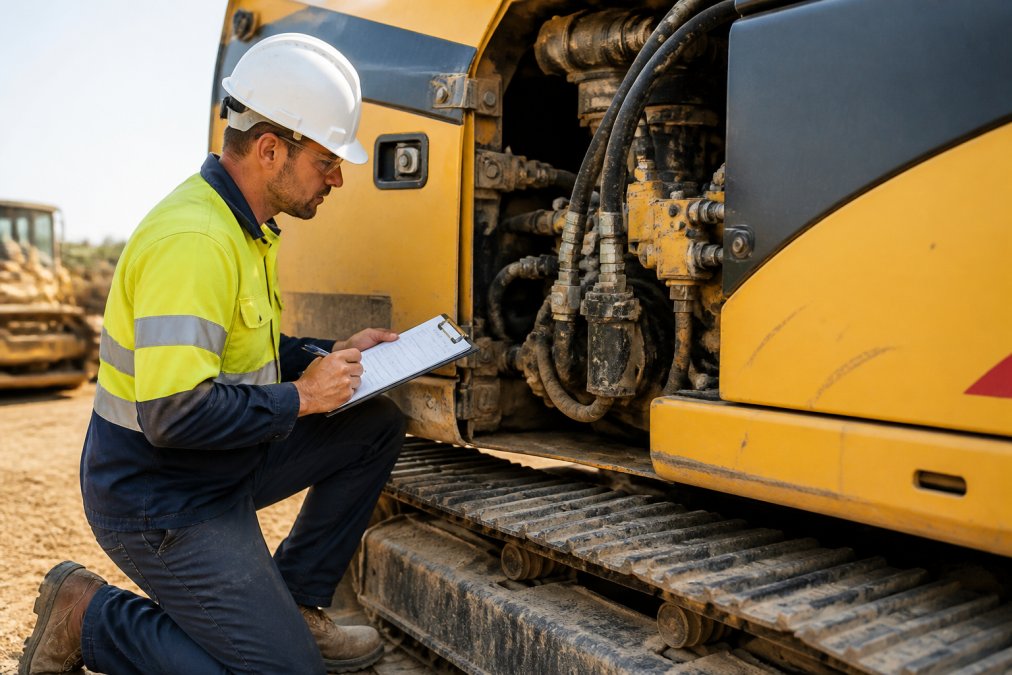
Inspect equipment thoroughly before committing. Walk the machine, operate controls, and check for fluid leaks. Request maintenance records and service history. Equipment with transparent history commands confidence and often justifies higher prices.
Verify operational hours independently when possible. Cross-reference reported hours against maintenance intervals and wear patterns.
Budget for reconditioning costs. Factor in fluid changes, filter replacements, and wear-item replacement. Getting a pre-purchase inspection costs $500-1,500 but prevents expensive surprises.
Negotiate based on condition and market data. Research comparable machines sold recently in your region. Sellers expect negotiation, and reasonable offers often succeed on equipment listed 30+ days.
Consider equipment from established manufacturers with strong dealer networks. Caterpillar, Komatsu, John Deere, and Volvo equipment holds value better and has more available parts and service support.
Purchase from reputable sources. Established equipment dealers and certified liquidators provide better recourse if problems emerge. Working with a Heavy Equipment Broker helps connect you to verified sellers and provides transparency that reduces risk.
Heavy Equipment Inspection Checklist for Buyers and Sellers
A systematic inspection protects both parties. Buyers avoid purchasing damaged equipment, and sellers demonstrate confidence in their machinery's condition.
Engine and Drivetrain:
- Start the engine cold and listen for knocking or unusual noises
- Check exhaust color (black smoke indicates fuel system issues; blue indicates oil burning)
- Operate the machine under load and verify smooth power delivery
- Check all fluid levels and condition
- Inspect belts and hoses for cracks or leaks
Hydraulic System:
- Check hydraulic fluid color and clarity
- Operate all hydraulic functions and listen for hesitation or noise
- Inspect hoses and fittings for leaks or damage
- Check for oil seepage around cylinders and motors
Structural Integrity:
- Inspect the frame for cracks, bending, or welding repairs
- Check the cab for damage, rust, or safety concerns
- Verify all doors and access panels operate smoothly
- Inspect the undercarriage for bent or broken components
Tires and Tracks:
- Measure tire tread depth (minimum 4/32 inch)
- Inspect sidewalls for cracks or dry rot
- Check track tension on tracked equipment
Electrical System:
- Test all warning lights and indicator gauges
- Verify headlights, backup lights, and brake lights function
- Check battery terminals for corrosion
Operational Testing:
- Operate all primary functions under load
- Test hydraulic response time and smoothness
- Verify braking performance and steering response
Supply Chain Dynamics and Inventory Trends Affecting Pricing
Supply chain stabilization in 2026 has normalized equipment availability and pricing. Inventory levels across major equipment categories remain balanced, not oversupplied or constrained.
Used equipment inventory turnover varies by category. High-demand items like mid-size excavators move within 30-60 days at fair market prices. Specialty equipment may sit 90+ days. Seasonal demand affects turnover: construction equipment sells faster in spring and summer; agricultural equipment moves faster in fall and winter.
Regional inventory imbalances create pricing opportunities. Areas with excess equipment see prices compress slightly. Regions with equipment shortages command premiums. Sellers can capitalize by listing in high-demand regions or waiting for seasonal peaks.
Fleet turnover cycles influence supply. Companies typically rotate equipment every 5-8 years, creating predictable waves of used inventory. Understanding these cycles helps sellers time listings strategically.
Manufacturer production levels also affect the secondary market. When new equipment becomes scarce or expensive, demand for used machinery increases, lifting prices. Monitoring new equipment pricing trends provides insight into used market direction.
Equipment condition standards have risen. Buyers increasingly expect well-maintained machinery with documented service history. Equipment with gaps in maintenance records sells at steeper discounts. This trend rewards sellers who invest in upkeep and documentation.
Financing, Lifecycle Costs, and Sustainability Compliance
Financing and Interest Rate Impact on Purchasing Power
Interest rates in 2026 directly determine how much equipment a buyer can afford. Equipment finance rates typically range from 5-9% depending on credit quality, loan term, and lender type.
Buyers should secure pre-approval from multiple lenders before shopping. Banks, credit unions, and equipment finance companies (Caterpillar Financial, Komatsu Financial, John Deere Financial) offer competitive rates for qualified borrowers. Credit score, down payment percentage, and equipment age all affect rates. Equipment older than 10 years typically carries higher rates or shorter loan terms, raising monthly payments significantly.
Sellers should understand that financing constraints affect buyer pool size. Equipment priced competitively for its condition and age expands the buyer pool and reduces time-to-sale.
Lifecycle Cost Analysis Beyond Purchase Price
Total cost of ownership includes purchase price, financing costs, fuel consumption, maintenance, repairs, and eventual resale value. Equipment that costs less initially but requires frequent repairs becomes expensive over time.
Fuel consumption varies significantly by equipment type and age. A 2015-model excavator typically consumes 1.5-2.5 gallons per hour. A 2023-model excavator consumes 1.0-1.5 gallons per hour due to modern engine technology. Operating 2,000 hours annually, the older machine costs $3,000-5,000 more in fuel annually. Over five years, that's $15,000-25,000 in additional fuel expense.
Maintenance and repair costs follow predictable patterns. Equipment aged 0-5 years typically costs 5-10% of purchase price annually for scheduled maintenance. Equipment aged 5-10 years runs 10-15% annually. Equipment older than 10 years can exceed 20% annually as major components approach end-of-life.
Calculate total cost of ownership by adding: purchase price, financing costs, annual fuel costs × ownership years, annual maintenance costs × ownership years, major repair reserves, and subtract estimated resale value. Equipment with lower hours and better maintenance history often delivers lower lifecycle costs despite higher upfront prices.
Emission Compliance and Equipment Valuation
Emission standards have become the primary driver of equipment retirement and valuation in 2026. Understanding compliance status is critical for both buyers and sellers.
Equipment manufactured before 2006 typically meets Tier 3 or earlier standards and faces restrictions or outright bans in many states. California, New York, and several other states restrict non-compliant equipment on public projects. Equipment that doesn't meet current standards will sell at steep discounts or not at all in regulated regions.
Equipment manufactured 2006-2010 (Tier 4 Interim) remains legal in most regions but faces phase-out pressure. Some states have announced plans to restrict Tier 4 Interim equipment by 2027-2028. Buyers purchasing Tier 4 Interim equipment in 2026 should verify compliance status in their operating regions.
Equipment manufactured 2011 and later typically meets Tier 4 Final standards or Stage V (European equivalent). This equipment remains compliant with current regulations and faces no announced phase-out dates. Tier 4 Final equipment commands premiums over non-compliant equipment.
Sellers must disclose emission status clearly. Equipment that's non-compliant should be priced accordingly. Buyers should verify compliance independently by checking the equipment's engine serial number against EPA or state databases.
Electric and hybrid equipment is entering the used market but represents less than 2% of current inventory. These machines command premiums due to lower operating costs and regulatory advantages, but limited service infrastructure creates uncertainty.
Financing and Compliance Interaction
Lenders increasingly factor emission compliance into equipment financing decisions. Some lenders now require Tier 4 Final or better compliance for equipment loans longer than 36 months. This regulatory-financing intersection accelerates equipment turnover and supports the 4-6% CAGR projection.
Conclusion
The used heavy machinery market trends 2026 reflect a mature, transparent market where valuation follows predictable patterns, regional demand shapes pricing, and equipment condition determines buyer interest. Understanding these dynamics positions you to buy strategically or sell efficiently.
Success requires more than listing equipment online. You need a platform that connects you to serious buyers, eliminates friction, and respects your timeline. Ironmartonline's nine specialized web-based selling platforms reach millions of potential buyers globally while maintaining the transparency and efficiency that modern equipment transactions demand. No contracts, no hidden fees, just professional marketplace access designed specifically for heavy equipment sales and acquisition.
Whether you're managing fleet rotation, liquidating surplus equipment, or acquiring machinery for operations, Ironmartonline connects you to the right buyers or sellers quickly. Join our email list to stay updated on market trends, valuation insights, and platform features that help you maximize returns on your heavy equipment transactions.
| Aspect | Impact on Valuation | Seller Action |
|---|---|---|
| Operational Hours | Lower hours command premiums | Document maintenance intervals |
| Emission Compliance | Non-compliant equipment discounted significantly | Verify and disclose status clearly |
| Maintenance Records | Documented service increases buyer confidence | Gather all service records before listing |
| Regional Demand | High-demand regions see price premiums | Research local demand before pricing |
| Equipment Age | Depreciation accelerates after 10 years | Price competitively for age bracket |
| Seasonal Demand | Spring-summer construction equipment peaks | Time listings for peak seasons |
Frequently Asked Questions
What heavy machinery is in highest demand for 2026?
Heavy-duty trucks, excavators, and dozers lead demand in 2026 as infrastructure projects expand and fleet managers refresh aging equipment. Low-hour machines command premium valuations because they offer more remaining operational life. Agricultural equipment including combines and tractors also sees strong secondary market activity as farming operations modernize. Regional demand varies based on construction activity and commodity prices, with infrastructure-heavy regions showing the strongest buyer interest.
How do supply chain constraints impact used heavy machinery pricing?
Supply chain delays in new equipment manufacturing push buyers toward the used market, increasing competition for available inventory and supporting residual values. Longer lead times for new machinery mean used equipment becomes more attractive for operators needing immediate deployment. When new equipment supply tightens, pricing stabilization in the secondary market accelerates. However, logistics constraints can limit inventory turnover, affecting how quickly machines move from seller to buyer across regions.
What should I look for when inspecting used construction equipment?
Inspect engine hours, hydraulic fluid condition, structural integrity, and wear on critical components like bucket teeth and boom cylinders. Check maintenance records and service history, as well-documented equipment commands higher resale value. Look for rust, corrosion, and signs of water damage. Verify that emission compliance systems meet current environmental standards. Request a pre-purchase inspection from a qualified technician to avoid acquiring equipment with hidden mechanical or structural problems that reduce operational efficiency.
Is buying or leasing heavy machinery better in 2026?
Buying used equipment makes sense if you need long-term asset ownership and can absorb depreciation costs. Leasing works better for short-term projects or when you want to avoid maintenance liability and residual value risk. Current interest rates and equipment availability favor buying for operators with adequate capital, while leasing suits those prioritizing cash flow flexibility. The decision depends on your capital expenditure budget, project duration, and whether you prefer ownership or operational flexibility.
This article was written using GrandRanker