

Description
Used John Deere 544B Wheel Loader
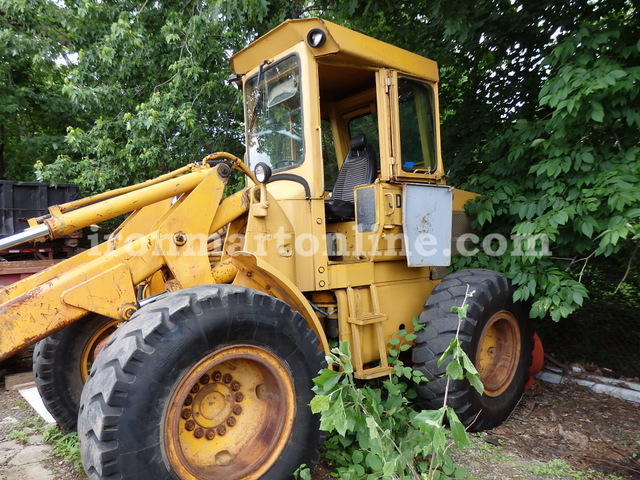
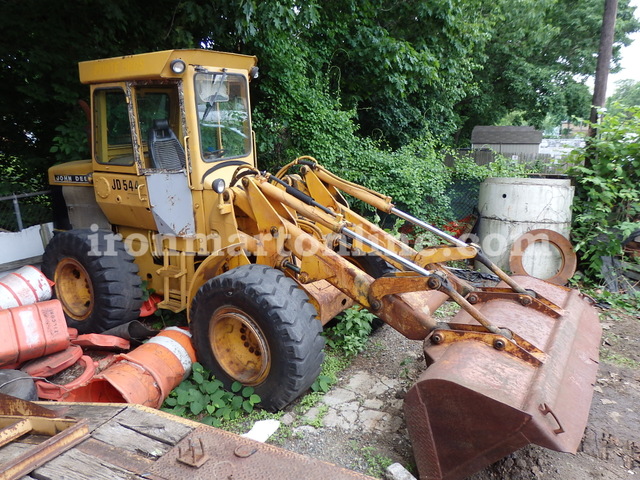
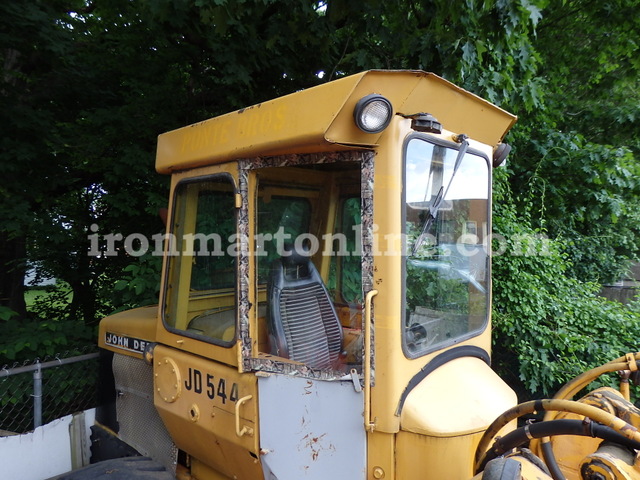
Deere 544B Loader Specs
measures 19.3'x8'x10.1' (LxWxH)
with a 6.7' wheelbase
and an approximate operating weight
of 21,775 pounds.
We aren't sure of the hours.
It has a turbocharged 105 hp John Deere diesel
(that puts out 325 foot pounds of maximum torque),
and a 4 forward/2 reverse
Powershift planetary transmission.
The 44.5 GPM hydraulic system
supplies 17885 pounds of breakout force,
and respectable cycle times.
The machine comes with a GP bucket
and everything runs and works as it should.
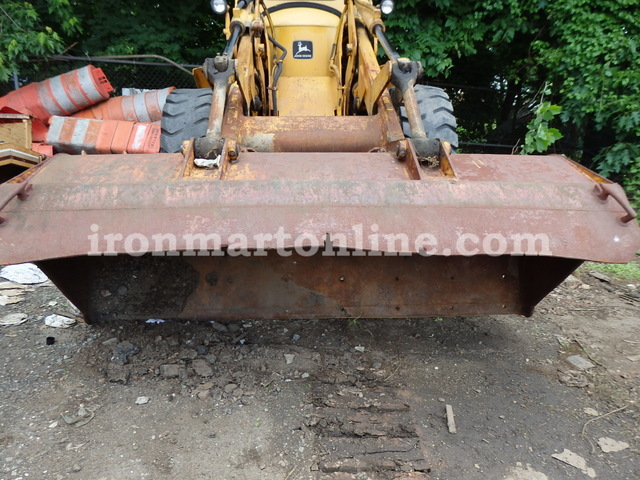
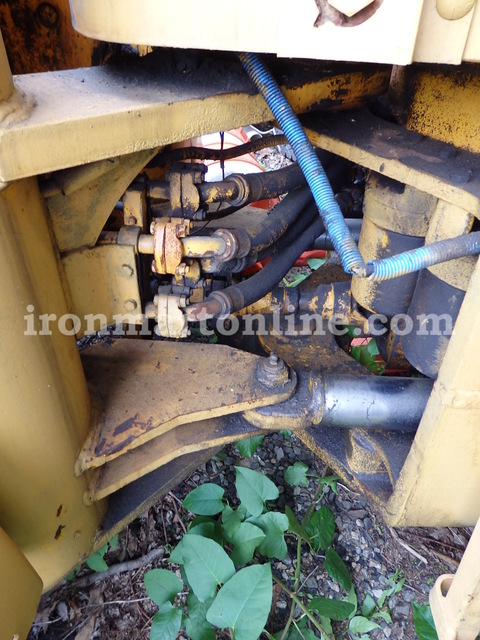
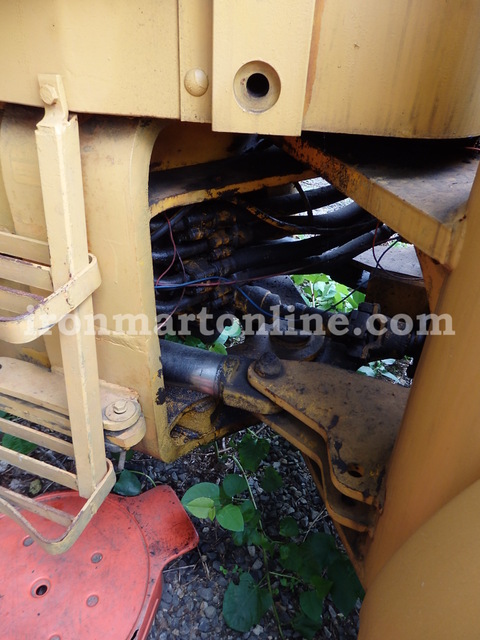
Loader Controls and Condition
with good old-fashioned build quality.
You'll have to see it in person
to really appreciate how strong it runs,
and how well it's been maintained.
Call us today to find out more,
or to schedule an inspection.
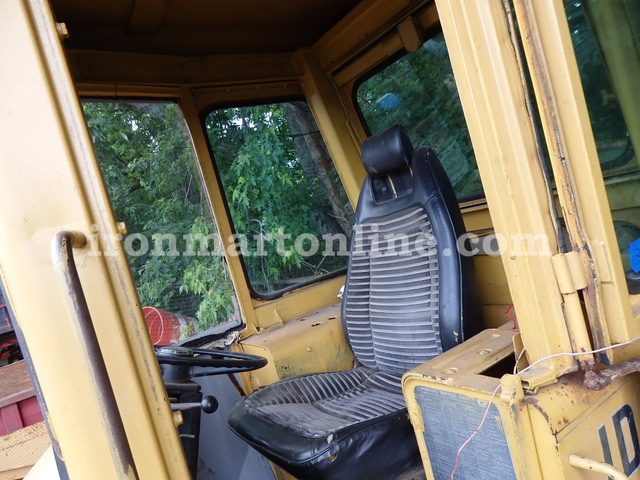
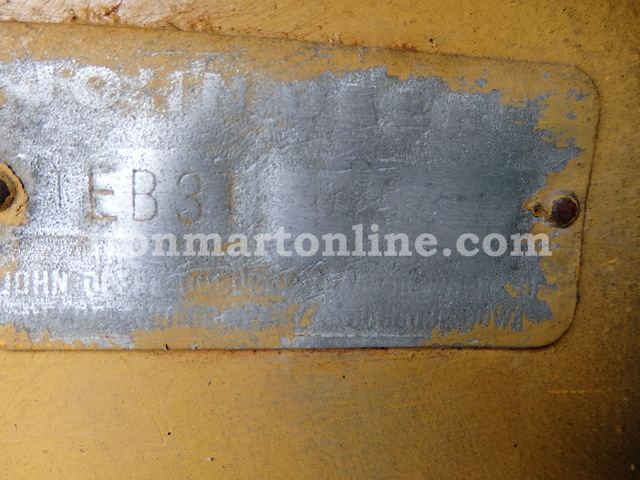



Specs and Dims
Description Continued...
1979 John Deere 544B Wheel Loader: Specs, Value & What to Watch
Quick answer: The 1979 John Deere 544B is a 4WD articulated wheel loader built around a John Deere 6-cylinder diesel engine producing roughly 100 hp. It's a proven workhorse for construction, ag, and material handling — but age means hydraulic wear, transmission condition, and hours are the three numbers that determine whether you're buying a deal or a liability.
What the 1979 John Deere 544B Actually Is
The 544B sits in John Deere's B-Series loader lineup — machines built for heavy-duty cycle work where you need reliable lift capacity and traction. The 544B runs a 6-cylinder John Deere diesel, articulated steering for tight maneuvering, and a standard 4-in-1 or straight bucket configuration depending on spec.
Key figures:
- Operating weight: approx. 24,000 lbs
- Rated bucket capacity: ~2.5 yd³
- Engine: John Deere 6-cylinder diesel, ~100 hp
- Drive: 4WD articulated frame
- Transmission: power shift
At 40+ years old, you're buying a machine that was engineered before electronic diagnostics existed. Every problem shows up as a physical symptom — leaking seals, slipping gears, sluggish hydraulics. That's both the risk and the advantage: nothing hides.
What to Inspect Before You Buy a 544B
Don't pay for a walk-around. Pay for a full inspection.
Hydraulics first. Cycle the bucket and boom under load. Slow lift or drift under pressure means worn pump or cylinder seals. Seal kits run $200–$600. A full pump rebuild runs more — get a quote before you negotiate.
Transmission condition is the make-or-break item. Power shift transmissions on B-Series machines are rebuildable, but a full rebuild runs $8,000–$15,000 depending on who does it. Ask for shift quality across all ranges at operating temperature, not cold.
Articulation joint and steering cylinder wear. Grab the front and rear frames and check for excessive play. Worn pins and bushings are a $2,000–$5,000 repair. Visible on inspection — no excuses for missing it.
Hours on the engine. A 544B with 6,000–8,000 hours and documented service history is a better buy than one with 3,500 hours and zero paperwork. Hours without history are a guess, not a data point.
What a 1979 John Deere 544B Is Worth in 2025
Pricing on B-Series loaders varies sharply based on condition, hours, and what attachments are included.
- Running condition, high hours, no recent service: $8,000–$14,000
- Good operating condition, recent hydraulic or transmission work: $15,000–$22,000
- Fully rebuilt, low hours post-rebuild, clean: $23,000–$32,000+
A machine with a recent undercarriage rebuild or documented engine work commands a premium — and earns it. You're paying for hours already spent preventing the failure you'd otherwise be buying into.
The fastest way to overpay is to skip the pre-purchase inspection. Spend $300–$500 on an independent equipment inspector before you wire a dollar.
Is the 544B the Right Machine for Your Job?
The 544B handles general construction, feedlot work, gravel yards, and light demo well. Its articulated frame gives it a turning radius advantage over straight-frame loaders of the same era.
Where it falls short: if you need precision grading, significant lift height, or integrated telematics for fleet tracking, a newer machine earns its higher price. The 544B has no electronic controls and limited attachment versatility compared to current-gen loaders.
Choose the 544B if purchase price and mechanical simplicity matter more than technology. Choose a newer machine if downtime cost or jobsite spec requirements demand it.
Frequently Asked Questions: 1979 John Deere 544B
What engine does the 1979 John Deere 544B use?
The 544B runs a John Deere 6-cylinder diesel engine producing approximately 100 hp. It is a naturally aspirated mechanical injection engine — fully rebuildable without proprietary diagnostic tools.
How many hours is too many for a used 544B?
Hours alone don't disqualify a machine. A 544B with 10,000 hours and a documented rebuild history can outperform one with 4,000 hours and unknown service. Prioritize maintenance records over the hour meter.
Are John Deere 544B parts still available?
Yes. Aftermarket and OEM parts availability for the 544B remains strong. Hydraulic seals, filters, and drivetrain components are stocked by multiple suppliers. Obsolescence is not a concern on this platform.
What's a fair price for a 1979 John Deere 544B?
Expect to pay $8,000–$22,000 for a running machine depending on condition and service history. Rebuilt or low-post-rebuild-hour examples can reach $32,000.


