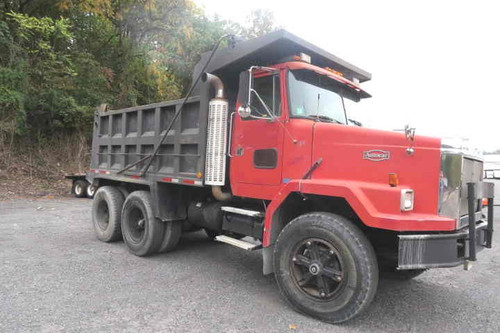
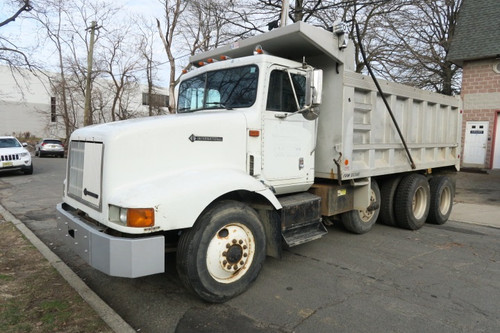
Description
1989 AUTOCAR ACL64B - TANDEM AXLE -FLATBED DUMP Heavy Spec Knuckle Boom, w/Cat 3406 425HP, 8LL
Specs and Dims
Description Continued...
1989 Autocar ACL64B: What Buyers Need to Know
Quick answer: The 1989 Autocar ACL64B is a heavy-duty cab-over truck built for demanding vocational work — refuse, construction, and severe-service hauling. Known for a near-indestructible frame, it commands a loyal used market. Before you buy, verify the engine hours, cab condition, and hydraulic system status.
The ACL64B is not a common find. Autocar built these trucks for one purpose: outlast everything else on the job site. Forty-plus years later, working examples still show up in refuse fleets and construction yards — which tells you something real about the platform's durability. But age creates risk. A truck this old needs a thorough pre-purchase inspection, not a walk-around.
Here is what you need to know before you commit.
What Is the 1989 Autocar ACL64B?
The ACL64B is a Class 8 cab-over-engine (COE) vocational truck produced by Autocar, a brand that built exclusively for severe-service and specialty applications. The ACL series — short for Autocar Cab-over Low-profile — was engineered with a low cab height and a tight turning radius, making it a dominant choice for refuse collection and urban construction work where maneuverability matters.
Typical 1989 ACL64B specifications:
- Configuration: Cab-over-engine, Class 8
- GVWR: Up to 64,000 lbs (hence the "64" designation)
- Common engines: Cummins L10, Detroit Diesel 6V-92, Caterpillar 3306
- Transmission: Allison automatic or Spicer manual, depending on spec
- Application: Refuse, concrete, dump, severe-service vocational
The cab-over layout gives the ACL64B a shorter overall wheelbase than a conventional truck at the same payload rating. In tight urban environments, that is a functional advantage you cannot replicate by buying newer.
What to Inspect Before You Buy a 1989 ACL64B
Skipping the inspection is the fastest way to turn a decent deal into a money pit. On a truck this age, three areas carry the most risk.
1. Frame and undercarriage. The ACL64B frame was built heavy, but decades of severe-service use — especially refuse or concrete applications — accumulate stress. Look for cracks at cross-member welds, any signs of prior straightening, and corrosion on the lower rails. Frame repairs on a Class 8 vocational truck run $8,000–$20,000 depending on severity.
2. Engine and transmission condition. Ask for service records. A Cummins L10 or Detroit 6V-92 with documented oil changes and known overhaul history is worth a price premium over an engine with no paperwork and an owner claiming it "runs great." Verify hours if a meter is present. Request a cold-start inspection — cold starts reveal what warm-ups hide.
3. Cab and hydraulic systems. COE cabs tilt forward for engine access. Inspect the tilt mechanism, cab mounts, and hinge points for fatigue. On vocational-spec trucks, hydraulic systems — whether for a PTO, packer body, or lift — are wear items. Budget $3,000–$10,000 for hydraulic repairs if the system has not been recently serviced.
A pre-purchase inspection by a qualified heavy truck mechanic costs $300–$600. It is the cheapest line item in any ACL64B purchase.
Is the 1989 Autocar ACL64B Worth Buying in 2025?
It depends on your application. The ACL64B makes sense if you need a purpose-built severe-service platform and have in-house mechanical capability or an established heavy truck shop relationship. Parts availability requires more legwork than a Peterbilt or Kenworth of the same era — Autocar's vocational focus means a narrower supplier network.
For refuse contractors, municipalities, or construction fleets running older equipment, the ACL64B offers a known platform with a proven track record. A well-maintained example at the right price delivers real working life. An unknown-history truck at a "too good to pass up" number is a different situation entirely.
Price range on 1989 ACL64B units currently in the used market: roughly $8,000–$30,000, driven by engine type, body configuration, and mechanical condition. Units with intact bodies and documented service history sit at the higher end. Stripped or project trucks anchor the low end.
Make the Right Call on Your Next ACL64B
Know your spec before you browse. Confirm the engine family, GVWR rating, and body compatibility for your application first. Then inspect in person — or hire someone who will.
The ACL64B rewards buyers who do the work upfront. It punishes those who skip it.
Frequently Asked Questions
What does ACL64B stand for on an Autocar truck?
ACL stands for Autocar Cab-over Low-profile. The "64" refers to the truck's Gross Vehicle Weight Rating of 64,000 lbs. The "B" denotes a specific configuration variant within the ACL series.
What engines were available in the 1989 Autocar ACL64B?
Common engine options included the Cummins L10, Detroit Diesel 6V-92, and Caterpillar 3306 — all proven heavy-duty powerplants with established rebuild networks. Verify which engine is installed before purchase, as parts availability and rebuild costs differ by platform.
Are parts still available for a 1989 Autocar ACL64B?
Parts are available but require more sourcing effort than mainstream brands. Specialty heavy truck suppliers, salvage yards, and Autocar's current ownership (Autocar LLC, which acquired the brand) are the primary sources. Budget additional lead time for non-standard components.
What is a fair price for a 1989 Autocar ACL64B?
Expect $8,000–$30,000 depending on mechanical condition, engine type, body configuration, and service history. Units with documented maintenance and operational bodies command higher prices. Price alone is not a qualifier — condition is.
What applications is the 1989 ACL64B best suited for?
The ACL64B was designed for refuse collection, concrete delivery, dump, and severe-service urban vocational work. Its short wheelbase and low cab profile make it effective in tight environments where a conventional truck is impractical.