
Quick Summary
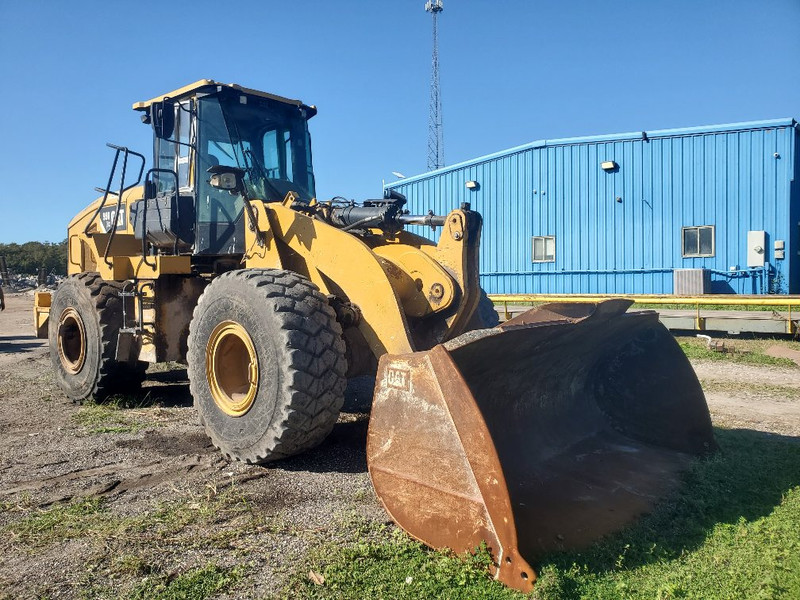
Machinery liquidation turns idle, surplus equipment into working capital while cutting storage, maintenance and insurance costs that keep growing on parked machines. Results depend on the machine's condition, hours, location and buyer demand. Compare offers on net proceeds, after commission, transport and other deductions, not on the headline sale price.
- Idle machinery ties up capital that liquidation can redeploy into active jobs, payroll or earning equipment.
- Storage fees, insurance, battery and fluid upkeep, and startup checks keep adding costs on units sitting in a yard.
- Run each idle unit through utilization, carrying-cost, future-demand and alternative-cost tests before listing it.
- Estimate net proceeds line by line, including commission, rigging, transport, repairs, storage and any lien payoff.
Table of Contents
- Why Use Ironmartonline Equipment Broker to Sell Surplus Machinery?
- Recovering Cash From Idle and Surplus Assets
- Freeing Floor Space and Reducing Storage, Maintenance and Insurance Costs
- Equipment Liquidation vs. Auction: Choosing the Right Sale Method
- Used Machinery Valuation: Setting Realistic Expectations
- A Decision Framework: Liquidate, Retain, Lease or Redeploy
- How to Sell Heavy Equipment Step by Step
- Tax, Compliance and Data Security Considerations During Removal
- Booking Your Equipment Sale With Ironmartonline
- Frequently Asked Questions
Why use Ironmartonline equipment broker when you sell surplus machinery? Most owners ask that question only after a sale has stalled. A dozer that sits in a fenced yard for three months is not an asset; it is a cost that keeps growing. Machinery liquidation can turn that cost back into working capital, but the method you choose and the buyers you reach decide how much cash comes back.
At Ironmartonline, we work with contractors, fleet managers, farm operators and rental houses who need to move equipment on a clear timeline. Our brokerage connects sellers with buyers through nine web-based selling platforms. We are a heavy equipment brokerage focused on used machinery, so the questions below reflect what we see on the sales floor and in the listings.
This article covers the main benefits of machinery liquidation for businesses, how to choose between liquidation and auction, how to value used machinery realistically, and what to handle during removal. We also explain where the trade-offs sit, because machinery liquidation is not the right answer for every asset.
Why Use Ironmartonline Equipment Broker to Sell Surplus Machinery?
Ironmartonline is a heavy equipment broker that sells used machinery across nine online platforms. That reach matters because a single buyer is rarely the right buyer for a specialized machine.
Our service runs without contracts or hidden fees. Owners comparing platforms should check our Trusted Platforms to Sell Used Heavy Equipment Online before choosing where to list. Owners comparing platforms should check our Trusted Platforms to Sell Used Heavy Equipment Online before choosing where to list. Reach alone does not guarantee a price, so match the platform to the machine type and the urgency of the sale.
Recovering Cash From Idle and Surplus Assets
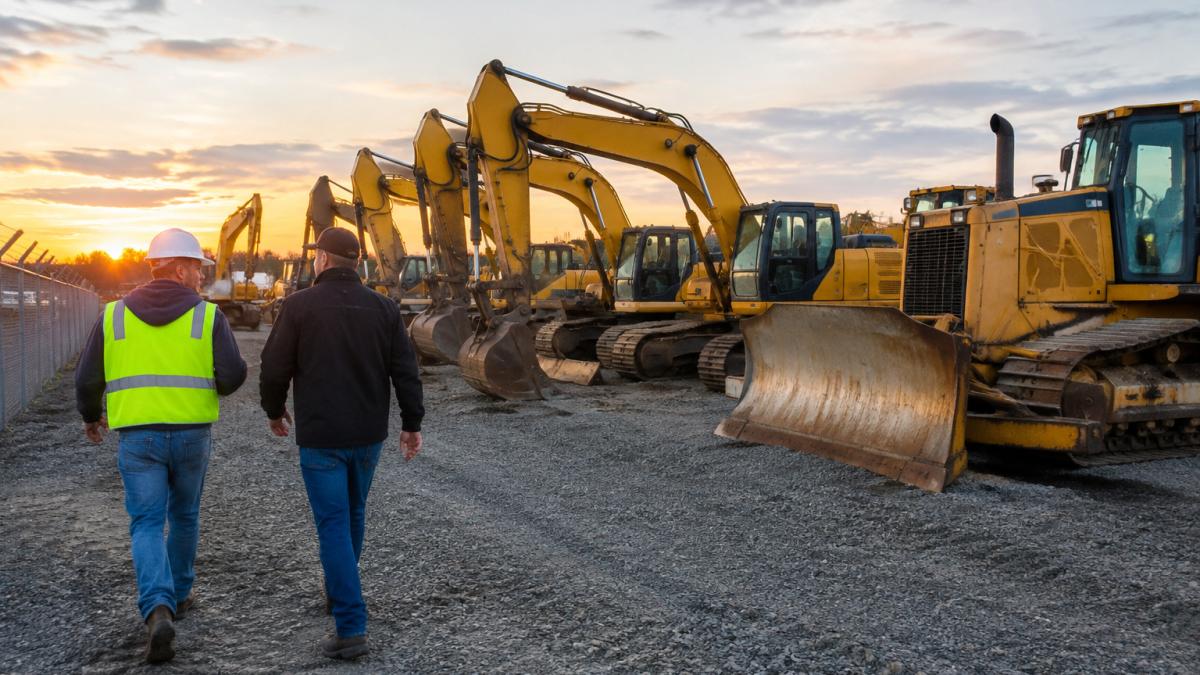
Idle machinery ties up capital that could fund active jobs, payroll or equipment that is actually earning revenue. Liquidation converts that dormant value into cash you can redeploy.
The timing matters. Demand indicators for metalworking machinery rose in early 2026, with U.S. new orders for metalworking machinery up 10.7% month over month in February 2026, according to Liquidity Services' 2026 Industrial Manufacturing Surplus Asset Market Trends. Stronger demand generally supports better recovery, though no single month guarantees a sale price.
Keep the expectation realistic. Results vary with condition, hours, location and buyer demand for the specific model.
Freeing Floor Space and Reducing Storage, Maintenance and Insurance Costs
Every machine parked in a yard carries costs beyond its depreciation. Storage fees, insurance premiums, battery and fluid maintenance, and periodic startup checks all add up. For a fleet of idle units, these carrying costs can quietly erode the sale value you are holding out for.
Selling or removing surplus units frees yard space for active equipment and cuts the recurring line items that come with dormant assets. Itemize these costs over three to six months before deciding, so you can compare them against the offers you receive.
Equipment Liquidation vs. Auction: Choosing the Right Sale Method
Liquidation and auction are not interchangeable. An auction creates competitive bidding on a set date, which can drive prices up when several serious buyers show up. A liquidation sale is usually a managed, often negotiated, disposal that can run on a longer or more flexible timeline.
Our 7 Best Platforms to Sell Used Industrial Machinery comparison outlines which marketplaces fit which sale method.
Used Machinery Valuation: Setting Realistic Expectations
Valuation sets the floor for every negotiation. Start with the machine's age, hours, condition, service history and current market demand for that model. Then compare recent comparable sales rather than asking prices, because listed prices often exceed what buyers pay.
Get a professional appraisal when the machine is high-value or the sale is complex. An independent equipment appraisal gives you a documented baseline to measure offers against. Watch for low offers that undervalue the machine; our guide to avoiding lowball offers on heavy equipment explains how to respond.
A Decision Framework: Liquidate, Retain, Lease or Redeploy
Liquidation is not automatically the best choice. The U.S. Small Business Administration notes that buying equipment can be a good option when a business has sufficient cash or credit and is confident it will use the assets for a long time, according to SBA guidance on managing business assets. That supports keeping a machine when it earns its place. The harder question is how to prove which option wins, and most sellers skip that proof.
Run each idle unit through four tests before you list it.
1. Utilization test. Pull machine hours or billing days for the last 12 months. A unit running below roughly a third of its available working days is a candidate for liquidation or redeployment. A unit running above two-thirds is usually cheaper to retain than to replace, because replacement means new financing, delivery lead time, and operator retraining.
2. Carrying-cost test. Add the costs that continue whether or not the machine works: insurance premium allocated to that unit, storage or yard space, property tax where equipment is taxed, periodic startup and fluid checks, battery and tire or track upkeep, and the interest or lease payment still attached to it. Compare that annual total against the machine's current market value. When carrying costs run high relative to value, holding the asset is itself a losing position.
3. Future-demand test. Look at your own backlog and the work you expect to bid. If no signed or probable job needs the machine within the next two quarters, retention is a bet on demand that has not appeared. Redeployment to another site or division only wins if that site would otherwise rent or buy comparable capacity.
4. Alternative-cost test. Price the three alternatives honestly: the net proceeds you expect from liquidation, the cost of leasing equivalent capacity for a defined contract, and the all-in cost of buying a replacement later. Leasing fits defined-duration work where you need capacity without ownership. Redeploying fits when another location has real demand and transport is cheaper than a new purchase.
A simple scoring sheet works: score each unit from 1 to 5 on utilization, carrying-cost burden, future demand, and redeployment fit. High utilization and demand point to retain; low utilization with high carrying cost points to liquidate; defined-duration demand points to lease; another site's real need points to redeploy.
Watch out: owners often compare liquidation proceeds against the machine's original purchase price instead of its current market value and carrying cost, which makes every offer look like a loss and stalls the decision.
Run the numbers on each option before committing, and revisit the scoring when a large job enters or leaves the backlog.
How to Sell Heavy Equipment Step by Step
Follow this sequence to reduce delays and protect your margin:
- Inventory each machine with hours, serial number, condition notes and maintenance records.
- Obtain a valuation from comparable sales or a professional appraiser.
- Clean, inspect and document the machine with dated photos.
- Choose a sale method and platform matched to the machine type.
- Set a reserve price you will accept and a timeline for review.
- Review offers against your valuation, not only the highest number.
- Confirm payment terms, removal responsibilities and title transfer before signing.
Contact Ironmartonline directly for current pricing and a quote for your equipment.
Tax, Compliance and Data Security Considerations During Removal
Removing equipment raises practical questions beyond the sale price. Two of them decide how much cash actually reaches your account: the costs deducted before you are paid, and the obligations that follow the machine out the gate.
Estimate net proceeds, not sale price. Sellers often anchor on the hammer price and are surprised by what is withheld. Build a line-item estimate before you commit:
- Seller commission or brokerage fee, usually a percentage of the sale price.
- Dismantling, rigging, and loading labor.
- Transport, which scales with machine weight, distance, and whether oversize permits are needed.
- Repairs or detailing required to make the unit saleable.
- Storage between sale and pickup.
- Listing, photography, and marketing fees where they apply.
- Any outstanding lien payoff or lease buyout that must clear before title transfers.
Subtract those from the expected sale price to get net recovery. A machine that looks like a strong sale can return far less once transport and rigging are counted, so compare offers on net proceeds rather than headline price. Contact Ironmartonline directly for current pricing on your specific equipment rather than relying on estimates.
Tax and accounting. Check with your accountant on how the sale affects book value, accumulated depreciation, and any gain or loss recognized, and whether the proceeds are treated as ordinary income or capital. Keep purchase records, depreciation schedules, and the bill of sale together. Tax rules are specific to your situation, so treat this as a prompt to ask, not a substitute for advice.
Liens and title. Confirm whether a lender holds a lien or a lease remains open. Payoff and lien release usually must be handled before the buyer can take clear title, and delays here stall pickup more often than price disagreements do.
Data security. Machines with onboard telematics, GPS, or fleet-management systems can store location history, account credentials, and operator data. Clear or disable those systems and remove connected devices before transport, and document that you did so.
Compliance and liability during pickup. Confirm insurance coverage during loading and transit, and document the machine's condition at pickup with dated photos and a signed condition report. Use signed bills of sale and retain copies. For units that held fuel, hydraulic fluid, or other regulated materials, follow handling and disposal requirements rather than draining on site.
Post-sale checklist. After the sale closes, update the asset register to remove the unit, cancel or reallocate its insurance and any property tax filing, close out the maintenance schedule, confirm site clearance, and decide where the proceeds go, debt payoff, replacement capacity, or working capital. A short written record of each step keeps the next audit or lender review simple.
Booking Your Equipment Sale With Ironmartonline
If you have surplus machinery and want a clear path to sale, Ironmartonline can help you choose the platform and discuss your sale. Our heavy equipment broker service runs without contracts or hidden fees.
Contact Ironmartonline to discuss your machines, request a quote for your specific sale, and get current pricing for your equipment.
Last Updated: November 5, 2026
Frequently Asked Questions
What are the main benefits of machinery liquidation for businesses?
Machinery liquidation converts idle or surplus equipment into cash that can fund operations, debt payments or new purchases. It also frees floor space, reduces storage, maintenance and insurance costs on machines that are not earning revenue, and lets businesses retire aging assets before their value falls further. Results depend on equipment condition, demand and the sale method, so an itemized estimate of costs and net proceeds is the best way to judge whether a sale will pay off.
What is the difference between machinery liquidation and an equipment auction?
An equipment auction sets a date and sells equipment to the highest bidder, usually online, live or both. Liquidation is the broader process of disposing of assets, which can include auctions but also private sales or a sale of the full inventory. Auctions suit sellers who want a defined timeline and competitive bidding, while other liquidation methods may suit sellers with a longer window or a more complex set of assets.
How can a business prepare used machinery for sale?
Start by inventorying each machine with its make, model, serial number, hours and maintenance records. Clean the equipment, complete routine service and document any known defects, since clear records help buyers trust the listing. Confirm title and lien status before listing, and arrange removal logistics early so the sale timeline stays on schedule.
Can Ironmartonline help sell equipment for a small owner-operator?
Ironmartonline is a heavy equipment brokerage that connects buyers and sellers of used machinery through web-based selling platforms, . It does not publish a fee schedule on this page, so contact the company or visit ironmartonline.com for current pricing or a quote before listing.
