
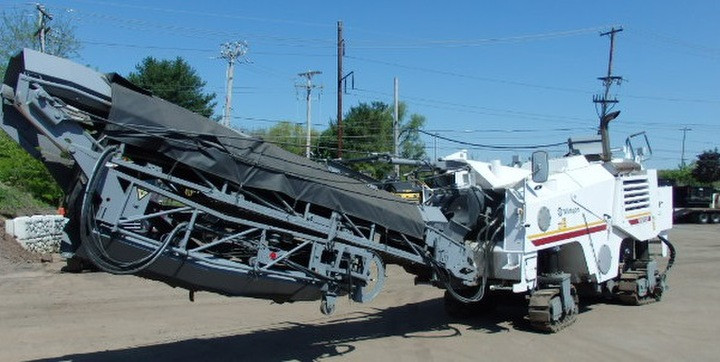
Choosing the right asphalt milling machine starts with understanding how well a machine fits the work you do every week — not just the work you hope to take on someday. A good match balances drum width, engine strength, maneuverability, and cutting depth.
Contractors with IronmartOnline seek used milling machines for strong cutting, reliable uptime, and clear maintenance history. When you compare drum wear, hydraulic responsiveness, tooth pattern, and operator controls, you quickly see which machines can keep pace with demands.
This guide helps you evaluate features that matter most, how to judge used-machine condition, and what to prioritize so you end up with a milling machine that fits your crew, your workflow, and the projects you take on every season.
Understanding Asphalt Milling Machines
Asphalt milling machines remove and recycle pavement layers to prepare surfaces for repaving. You’ll learn how they cut material, the main machine types, and who does the work on a jobsite.
How Asphalt Milling Works
A rotating drum fitted with carbide teeth grinds the asphalt or concrete surface. The drum spins and cuts a controlled depth of pavement, producing reclaimed asphalt pavement (RAP) that you can haul away or reuse in mixes.
Depth and width adjust with hydraulic controls so you can remove thin surface lifts or several inches at once. Conveyors move milled material into trucks. Proper drum selection and tooth pattern matter most for cut quality and wear life.
Plan your pass pattern, speed, and drum RPM to match material hardness. You control dust, water use, and cleanup to meet local roadwork and environmental rules.
Types of Asphalt Milling Machines
Cold planers cover a wide range of sizes from compact units for driveways and parking lots to large track-mounted machines for highways. Wheeled machines work best on smooth surfaces and move faster on roads.
Tracked machines offer better traction and stability on rough jobs. Attachment planers bolt to skid steers for small patchwork. Large milling machines provide wider cutting widths and higher engine power for continuous highway passes.
Choose by project size: small contractors often favor compact or skid-steer attachments; large contractors need heavy-duty tracked planers. Look for machines with easy drum change-outs and available carbide teeth spares to cut downtime and control used milling machine pricing when buying used units.
Key Roles in Road Maintenance
Operators run the cold planer, set depth, and control feed and conveyor flow. A spotter guides truck placement and ensures safety near traffic.
Your maintenance tech inspects the rotating drum, replaces carbide teeth, and keeps hydraulics and engines in service. Project managers plan milling patterns, traffic control, and RAP handling.
Suppliers and brokers help source machines and arrange hauling or financing if you sell or buy used equipment. Brokers can list high‑value paving machines and reach buyers in the paving, parking lot, and roadwork sectors.
How to Choose the Right Asphalt Milling Machine
Pick a machine that matches the job size, the depth of material you must remove, and the access limits on site. Think about how much asphalt you remove per pass, how wide the drum must be, and whether you need a compact unit for tight driveways or a larger cold planer for long road sections.
Project Size and Application
Match machine capacity to the type of work you do. For residential driveways and small parking lots, a compact micro milling unit or small skid-steer-mounted cold planer handles 1–4 inches of cutting depth and tight turns.
For parking lots, municipal streets, or long asphalt overlays, choose a mid-size planer with higher material removal rates and a larger drum to cover more milling width per pass. Consider how often you’ll use it.
If you work mainly on contractors’ driveways and seal-coating markets, lean toward machines that offer quick changeover and low transport weight. For daily roadwork or highway contracts, pick machines with more milling depth and continuous production to cut costs on labor and time.
Milling Depth and Cutting Width
Decide on the cutting depth and cutting width you need most. Drum width and milling width determine how much surface you remove each pass. Small units often offer 12–30 inch cutting widths and up to 4 inches of cutting depth per pass.
Larger cold planers provide 4+ foot drums and deeper milling depth for full-depth asphalt removal. Think about staged work. If you must remove varying depths, choose a machine with adjustable cutting depth and multiple drum setups.
That flexibility reduces the need for extra passes and saves on material removal time. Note fuel use and drum wear increase with deeper cuts, so match cutter heads and drum specs to the asphalt type.
Maneuverability and Accessibility
Check machine size, turning radius, and transport needs against your job sites. Tight residential jobs need compact units with tight turning ability and easy loading onto trailers. Larger milling equipment works well on wide roads but can block lanes and require escorts, permits, or special hauling.
Look at ground clearance, track vs. wheel options, and operator visibility. Tracks give better traction on rough surfaces and reduce ground pressure for fragile surfaces. Wheels often travel faster on roads.
Consider how quickly you can move between sites; faster setups and simple controls help small contractors win more jobs with less downtime. Brokers can help list or find used machines that meet these specs for both small driveway contractors and larger roadwork firms.
Key Features and Specifications to Compare
Match engine size, operator layout, and dust controls to the work you do. Focus on engine power and fuel use, how controls affect daily productivity, and which dust systems meet local rules and job-site needs.
Engine Power and Horsepower
Engine power determines how fast you can mill and how deep you can cut without bogging down. Look for machines with rated horsepower (hp) that match job scale: small driveway work can use 100–200 hp units, while large parking lots or roadwork often need 250 hp or more.
Check engine make, model year, and hours to predict reliability and resale value. Compare fuel efficiency and torque curves, not just peak hp.
Machines from known manufacturers often offer cleaner emissions packages and easier parts sourcing. For used units, inspect for smoke, oil leaks, and consistent idle. Note hydraulic pump size and drive type — these affect how the engine translates hp to cutting power.
Operator Comfort and Control Systems
Operator comfort affects safety and speed on long jobs. Prioritize clear, ergonomic controls with intuitive joystick layouts and adjustable seats. Easy-to-read displays that show engine rpm, cutting depth, and fuel level let you react faster to changing conditions.
Look for features like remote depth control, electronic cutting-width presets, and proportional hydraulics. These systems cut rework and reduce operator fatigue. Heated and air-conditioned cabs matter for year-round comfort.
Also, check visibility from the operator station and camera systems for rear and drum-area views to lower risk and improve milling accuracy.
Dust Suppression and Environmental Features
Dust control protects crews and helps you meet local environmental rules. Compare wet suppression systems that spray water at the drum versus vacuum-assisted collectors that capture fines.
Wet systems are simple and cheap; vacuum or baghouse systems reduce airborne particles and may be required on sensitive sites. Look at water tank capacity, pump pressure, and nozzle placement for wet systems.
For vacuum systems, check filter condition, suction power, and collection-bin access. Also consider emission controls on the engine and any recycling features for reclaimed asphalt. These choices affect cleanup time, worker health, and possible permit needs.
Maintenance and Longevity Considerations
Keep machines running and resale value high by planning routine care, securing parts, and checking warranty and support options before you buy.
Routine Maintenance and Repair Needs
You should schedule daily and weekly checks: fluid levels, filter condition, cutter drum wear, and track or tire condition. Log engine hours and record each service to show buyers later. Plan for drum tooth and carbide tip replacement; these wear fastest and affect cut quality.
Budget for belt, hydraulic hose, and bearing replacements—these parts fail with heavy use. Train operators on correct depth settings, throttle control, and machine warm-up. Good operator training lowers repair costs and reduces drum and engine stress.
Keep a maintenance checklist on the machine. Regular preventive servicing cuts downtime and helps you price a used milling machine competitively.
Availability of Spare Parts
Verify parts supply for the model you buy. Common items to confirm: cutter teeth, drum segments, gearbox kits, hydraulic pump cartridges, and electronic sensors. Ask suppliers about lead times and local distributors.
Faster access to parts reduces project delays and keeps repair costs predictable. Consider models with interchangeable or widely used components.
That choice lowers long-term ownership cost and eases sourcing for small contractors. Stock critical wear items on-site if you run frequent jobs. Having teeth, belts, and a spare hydraulic hose on hand keeps machines moving and improves your uptime record for buyers.
Warranty and Support
Check what the original warranty covers—engine, drivetrain, electronics, and wear parts—and how much time or hours remain. Ask if extended warranty options are available. Confirm who provides service support: factory technicians, authorized dealers, or independent shops.
Faster, qualified support cuts repair windows and protects production schedules. If you buy used, get documented service history and any transferable warranty. Clear records and remaining warranty enhance your machine's appeal to driveway, parking lot, and roadwork buyers.
Evaluate seller support offerings like parts sourcing, financing help, or transport coordination. These services simplify ownership and boost confidence when you sell the machine later.
Asphalt Mill Buyer Guide: Buying New vs. Used
Decide if you need the latest tech, a full warranty, and lower short-term repair risk, or if you want a lower purchase price, faster ROI, and flexible fleet sizing. Consider your cash flow, project types (driveways, parking lots, highways), and how much downtime you can tolerate.
Benefits of Choosing Used Milling Machines
Buying used lowers your upfront cost and lets you add higher-capacity machines for the same budget. You pay less than new-unit pricing, so you can expand fleet size or buy a wider drum model that speeds large parking-lot or roadwork jobs.
Used machines often hold practical features you need, like proven drums and basic depth controls, without paying for unused new tech. For contractors focused on asphalt millings recycling or running an asphalt plant, a used mill can cut capital costs while keeping production steady.
You can also recover value faster: lower depreciation and lower replacement cost improve short-term return on investment. If you plan to resell later, many well-maintained mills keep reasonable resale value in commercial paving markets.
Evaluating Used Milling Machine Condition
Start with hours, service records, and drum/teeth condition. Ask for documentation of engine hours, hydraulic repairs, and any drum rebuilds. Inspect drum teeth wear pattern, carrier bearings, conveyor condition, and skid/track wear in person.
Run the machine if possible. Check engine oil, coolant, hydraulic temps, and listen for abnormal noise. Verify the depth-control system respond,s and conveyors feed material cleanly to trucks or the plant. Confirm attachments you need are present (hopper, conveyors).
Get a written estimate for immediate repairs and factor that into the used milling machine pricing. Consider a mechanical inspection from a trusted technician to spot hidden wear that affects operating costs later.
Total Cost of Ownership and Resale Value
Look beyond purchase price to fuel use, tooth replacements, belts, hydraulic parts, and hauling costs. Create a simple cost table: purchase price + expected repairs + annual operating costs (fuel, teeth, oil) + transport. Compare that to projected revenue per job to estimate payback time.
Resale value depends on maintenance, documented service, and market demand in your region. Machines used in driveway, seal-coating, and parking-lot work often trade more frequently, so good records and clean appearance boost resale value.
If you plan to sell later, market the machine with service history, recent repairs, and clear photos. Using a broker that offers valuations, multi-channel marketing, and hauling support can help you get top dollar and reduce selling time.
Choosing a Mill That Keeps Your Jobs Moving
A milling machine should make your work smoother, not harder. When drum quality, horsepower, hydraulics, and maneuverability align with the jobs you take, your crew spends less time troubleshooting and more time producing clean, consistent cuts.
IronmartOnline helps contractors compare used milling machines with documented service histories and solid performance records. When you understand which features truly matter, you can choose a machine that strengthens your fleet without stretching your budget.
If you’re ready to step toward a more efficient milling setup, take the next move today. Define your priorities, review your best options, and let’s start the conversation about finding a machine that fits the way you work.
Frequently Asked Questions
What factors should I consider when determining the price of an asphalt milling machine?
Price varies with machine size (width and horsepower), age, hours, and condition of major wear parts like the drum and teeth. A machine with good traction controls and documented maintenance typically holds more value. Always budget for transport and immediate servicing when comparing prices.
What are some tips for finding a reliable asphalt milling machine for sale?
Prioritize listings with clear photos of the drum, undercarriage, and hydraulic systems. Ask for service records and hour logs before an on-site visit. Inspect machines under load when possible — this reveals how the engine, hydraulics, and controls perform in real job conditions.
How can I estimate the cost of asphalt milling for my project?
Start by calculating the milling area (square yards) and desired depth. Request detailed bids that include mobilization, milling labor, haul-off of milled material, and cleanup. Site access, traffic control, and disposal costs influence total pricing, so compare at least three bids.
What should I look for when purchasing a used asphalt milling machine?
Inspect the drum and carbide teeth first — uneven wear signals future repair expenses. Check hydraulics, conveyors, and drivetrain for leaks or excessive noise. Test depth controls and ensure grade systems work smoothly. Service history dramatically improves confidence in condition.
How do I assess the condition and longevity of a milling machine?
Compare engine and cutter hours with the expected life for that model. Look for evidence of regular maintenance on major components. A professional inspection offers the best assessment; testing under true milling conditions shows how the machine handles real workloads.
What are some common maintenance issues to be aware of with asphalt milling machines?
Frequent tooth replacement and drum inspection are standard. Hydraulic hoses, bearings, belts, and sensors wear over time and influence cut quality if neglected. Dust buildup can clog cooling systems, so consistent cleaning and routine checks are essential.