
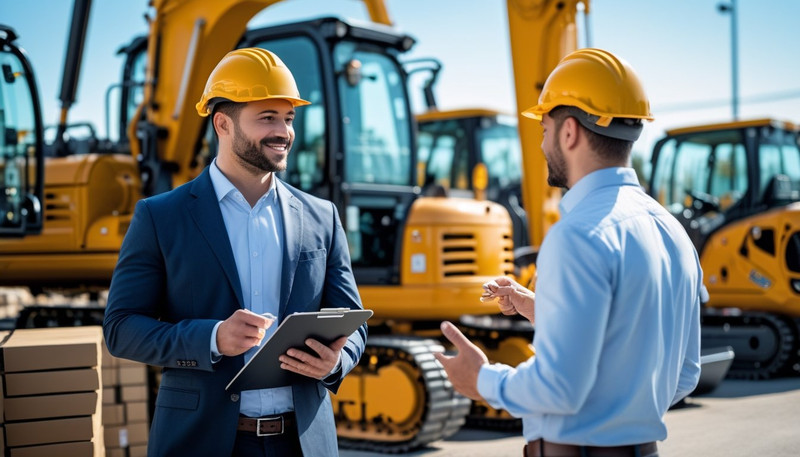
Selling construction equipment requires clear preparation and a strategy that puts you in control. Using the right approach helps you attract serious buyers faster and secure fair, profitable offers without unnecessary delays. When you understand what buyers look for and how the market behaves, every step becomes easier.
Working with a trusted resource like IronmartOnline connects your equipment to a wider network of qualified buyers. This alone removes the stress of managing listings yourself. You gain expert support, straightforward communication, and transparent processes that protect your time and your bottom line.
In this guide, you’ll learn how to prepare your equipment, choose the best-selling channels, price your machinery accurately, and avoid common pitfalls. Each section delivers clear steps designed to simplify selling and help you close deals with confidence.
Key Takeaways
- Use trusted marketing platforms to reach qualified buyers worldwide.
- Prepare and price your equipment clearly to attract serious offers.
- Get expert support to avoid low-ball offers and speed up the sale.
Understanding the Construction Equipment Selling Market
Selling construction equipment involves understanding current market trends, how supply and demand interact, and which brands matter most in the industry. Knowing these details helps you make smarter choices and sell your equipment faster and for the right price.
Current Industry Trends
The construction equipment market is moving toward more online sales and marketing. Sellers now reach millions of buyers through multiple web platforms. This shift makes it easier to get equipment in front of serious buyers quickly.
Demand for used equipment is rising as companies look to save money without sacrificing quality. Buyers focus on machines with low hours and good condition. Sellers benefit from clear pricing tools and appraisal services, which help set fair prices.
Market Demand and Supply
Demand for construction equipment depends on industry growth, especially in construction and infrastructure projects. When the economy is strong, demand for machinery increases. Buyers often look for specific types, such as excavators, backhoe loaders, and dump trucks.
The supply of used equipment may rise when owners upgrade or firms downsize. This balance between demand and supply affects pricing. If many machines are on the market, prices drop. When equipment is scarce, sellers get higher offers.
Specialized equipment tends to hold value better. Financing options and pre-buy inspections have become common, giving buyers more confidence. This creates a smoother selling process and better price outcomes.
Key Players and Brands
Certain brands dominate the used market because of quality and reliability. Brands like CASE, Hyundai, and Caterpillar are well-recognized and often in demand. Your equipment’s brand affects how fast it sells and its resale value.
By working with a trusted broker, you avoid low-ball offers and tire-kickers. You reach qualified buyers who understand the true value of your equipment. This helps you sell faster, easier, and for more money.
Types of Construction Equipment Available for Sale
When selling construction equipment, knowing what types of machines are on the market helps you price and market your gear correctly. Different projects need different tools, so your equipment’s category affects the buyer pool.
Heavy Machinery
Heavy machinery includes large, powerful machines like excavators, bulldozers, and backhoe loaders. These are vital for big jobs like digging, grading, and moving materials. For example, a CASE 580 Super E Backhoe Loader or a Komatsu PC 220LC excavator often appears in used equipment listings.
These machines feature strong engines, durable hydraulics, and attachments built for tough work. Highlight low hours, engine condition, and any special features like grapple buckets or 4x4 drive, which can increase value.
Light Equipment
Light equipment covers smaller machines that support construction but are easier to move and use. Examples include skid steers, compact loaders, and mini excavators, like the Hyundai Robex 60CR-9A.
This equipment suits jobs with limited space or lighter tasks. When selling, point out details like hydraulic thumbs, engine hours, and weight. Buyers often look for reliable, affordable, and versatile machines for medium to small projects.
Specialized Equipment
Specialized equipment serves niche tasks and includes paving machines, forestry mulchers, and mining gear. These machines often have unique attachments or custom builds.
When selling specialized gear, emphasize its condition, any upgrades, and how it fits specific industries. Connecting with the right buyers is key for niche equipment.
How to Prepare Construction Equipment for Selling
Getting your construction equipment ready to sell means checking its condition, making it look clean and well cared for, and having all the important papers ready. These steps help you get the best price and make the sale quicker.
Inspection and Maintenance
Start by examining your equipment carefully. Look for any signs of damage or worn parts that might scare buyers away or lower the price. Fix anything small, like leaks or broken lights, before listing.
Check fluid levels—oil, coolant, hydraulic fluid—and change them if needed. Make sure filters are clean and batteries are fully charged. If any parts need professional repair, consider having that done to boost your equipment’s value.
Keep records of all maintenance. This proves to buyers that you cared for the equipment, which builds trust and can help you get a better offer.
Cleaning and Detailing
A clean machine catches attention. Remove dirt, grease, and rust from all surfaces, especially areas buyers will inspect closely, like the engine, tires, and operator cabin.
Pressure wash the exterior, then wipe down controls and glass. If your equipment looks well-kept, buyers feel more confident that it’s been maintained properly.
Fix small cosmetic issues like scratches or dents if possible. Clean equipment photos help attract more offers when you list your machine online.
Accurate Equipment Documentation
Gather all important documents before listing your item. This includes the title, registration, service records, and any warranty information. Create a detailed equipment description that lists model, year, engine hours, and any upgrades or repairs done.
Be honest and clear to avoid confusion or disputes later. Having complete paperwork ready speeds up the sale process and builds buyer confidence. Good documentation makes it easier to market your equipment to qualified buyers.
Choosing the Right Selling Platform
When you sell construction equipment, your choice of platform affects how fast you sell and the price you get. You want a place that reaches many buyers, fits your level of control, and matches your time frame. Below are some solid ways to sell your equipment, each with its own benefits.
Online Marketplaces
Online marketplaces give your equipment exposure to millions of buyers worldwide. These sites use multiple web platforms, social media, and email marketing to showcase your listing.
You control the price, description, and when to sell. This option works well if you want to keep ownership until you get paid and avoid pressure to accept low offers.
Online listings let you target buyers looking for specific construction equipment. The process is usually straightforward, and fees are clear upfront.
Dealerships
Dealerships handle most of the selling process for you, including marketing, negotiating, and paperwork. This can save you time if you don’t want to manage the details. Dealers often have local buyer networks and can move equipment quickly.
However, they may offer lower prices since they need to resell at a profit. You may have less control over pricing or timing. But the tradeoff is less hassle and a smoother transaction if speed is your priority.
Auctions
Auctions can create quick sales, especially for equipment in high demand. They bring many potential buyers together on one day, sometimes driving up the price. The downside is less control—you set a reserve price, but the final bid may be lower than expected.
Fees and commissions are usually higher compared to other options. If you need a fast sale and accept some risk on price, auctions can work well. But they require careful timing and preparation for the event day.
Effective Construction Equipment Pricing Strategies
Setting the right price for your construction equipment is key to selling it quickly and for a good amount. You need to understand the current market demand and the true value of your gear. This helps you avoid low offers or leaving money on the table.
Market Research
Start by checking recent sales of similar equipment in your area or online. Look at condition, hours used, make, and model to find comparable listings. Pay attention to what sells fast and at what price point.
Use online platforms and industry sites to see how competitors price their machines. Market trends, like high demand for certain equipment, can push prices up. Seasonal factors also matter—for example, prices often rise before busy construction periods.
Gathering solid market data lets you set a competitive price that attracts serious buyers without undercutting your value.
Valuation Techniques
Knowing the real worth of your equipment makes pricing easier and more accurate. You can get a professional appraisal to estimate market value based on age, usage, and condition. This report helps justify your asking price to buyers.
If you prefer to estimate yourself, use depreciation formulas to calculate value loss over time. Heavy equipment typically loses 10-15% of value yearly, depending on usage. Factor in any repairs or upgrades, too.
Using equipment appraisals can give you an exact number to support strong pricing decisions. This prevents guessing and builds buyer confidence.
Marketing Tips for Selling Construction Equipment
To sell your construction equipment well, focus on making your listings clear and attractive. Use strong descriptions that highlight the key features and history of your equipment. Also, share good-quality photos and videos to show buyers exactly what they can expect.
Creating Engaging Listings
Write clear, honest descriptions that cover important facts like the machine’s make, model, year, and hours used. Include any recent maintenance or repairs you did. Buyers want to know about the condition and any special features.
Use bullet points to list specs so the information is easy to scan. For example:
- Engine type
- Attachments included
- Hours of use
- Location
Be upfront about any flaws or issues to build trust. Add a reasonable asking price based on market value or an appraisal. Your listing should answer common buyer questions to reduce back-and-forth and speed up the sale.
Professional Photography and Videos
Good photos can make a big difference. Take clear, well-lit pictures from multiple angles showing the whole machine and close-ups of important parts.
Use a clean background with minimal distractions. Include images of the interior, engine, tires, and any controls or displays. Videos are also helpful—they let buyers see your equipment running and get a sense of its working condition.
If possible, shoot short clips that show basic operations, like lifting a bucket or driving. This boosts buyer confidence and can increase your reach.
Legal and Regulatory Considerations
When selling construction equipment, you must handle important legal and regulatory steps. These ensure you own the equipment and that it meets environmental rules. Knowing these helps avoid delays or fines during the sale process.
Transport Permits and Oversize Load Compliance
Transporting heavy machinery often crosses state lines, requiring specific oversized/overweight permits and weight limits. According to the Federal Highway Administration (FHWA), the federal gross vehicle weight limit on the Interstate system is 80,000 pounds, with axle limits of 20,000 pounds for a single axle and 34,000 pounds for a tandem axle.
Preparing for these requirements in advance avoids costly delays and supports a faster sale by offering buyers assured logistics. Understanding permit rules and transport compliance turns a potential risk into a value-added attribute during the listing process.
Ownership Certification
You need clear proof that you own the equipment you want to sell. This often means having the original purchase agreement, title, or bill of sale. If you don’t have these documents, the sale can be slowed or canceled.
Verify that any liens or loans on the machine are paid off. Selling equipment with unpaid debts can cause legal trouble. Keep records organized and ready to share with buyers to prove clear ownership.
Complying With Emissions Standards
Heavy equipment must meet emissions standards set by state or federal agencies before you sell it. These rules control pollution and vary by location and machine type.
Check if your machinery needs an emissions inspection or certification. Without this proof, buyers may refuse to complete the sale or ask you to reduce the price.
Transportation and Delivery Solutions
Transporting heavy equipment requires careful planning and expert handling to avoid delays, damage, or costly fines. Your transportation plan should cover routes, permits, weight limits, and secure delivery. Protecting machines during the move ensures they arrive ready for use or sale.
Logistics Planning
Map out the transport route to avoid low bridges, narrow roads, and other obstacles. Secure permits for oversized or overweight loads based on state and local laws.
Choose hauling equipment that fits your machinery’s size and weight. Flatbed trailers, lowboys, or specialized carriers may be necessary.
Plan your shipments during off-peak traffic hours to speed up delivery and reduce risks. Connect with trusted heavy hauling providers skilled in handling permits and logistics so your equipment moves smoothly and legally.
Safe Equipment Handling
Proper loading and unloading prevent damage and injury. Use cranes, forklifts, or ramps that fit your equipment size.
Secure machines with chains, straps, and blocks. Inspect all tie-downs twice to avoid shifting during transit. Drain fuel tanks if required and disconnect batteries to reduce fire risks.
After-Sale Support and Customer Service
When you sell your construction equipment, knowing what happens next matters. You want peace of mind about protection and services that keep your equipment running well for the buyer.
Warranty Options
Offering warranty options increases buyer confidence. A standard warranty typically covers key parts like the engine, transmission, and hydraulics for a limited time or hours of use. Choose between limited warranties or extended plans that cover repairs beyond the usual period.
A clear warranty benefits both parties. Buyers get reassurance on equipment reliability. You protect yourself from unexpected claims by setting defined terms.
Ongoing Maintenance Services
After selling, ongoing maintenance services keep your equipment in good shape for the new owner. Maintenance plans may include regular inspections, oil changes, filter replacements, and part checks to catch issues early.
You can arrange these services through certified dealers or third-party providers. Some sellers include service contracts as part of the sale to add value. Providing a maintenance history and schedule helps buyers plan for care, reducing downtime and repairs after purchase.
Trends and Innovations in Construction Equipment Sales
Online marketing is now key when selling construction equipment. Multi-channel platforms help your listings reach millions of potential buyers worldwide. This gives you more control and better chances to sell quickly.
Transparent pricing and no hidden fees have become more common. You know exactly what to expect, which builds trust between you and the buyer.
Financing options are easier now. Buyers can get zero-down approvals, so sales happen faster. This flexibility means more interested buyers can afford your equipment.
Here is a quick list of what modern sales methods offer:
- Multi-platform marketing
- No long-term listing contracts
- Equipment appraisals and valuations
- Financing with simple approval
- Heavy hauling coordination
- Full support from listing to final sale
Transparent pricing and no hidden fees have become more common. You know exactly what to expect, which builds trust between you and the buyer. Financing options are easier now. Buyers can get zero-down approvals, so sales happen faster. This flexibility means more interested buyers can afford your equipment.
Here is a quick list of what modern sales methods offer:
- Multi-platform marketing
- No long-term listing contracts
- Equipment appraisals and valuations
- Financing with simple approval
- Heavy hauling coordination
- Full support from listing to final sale
A Smarter Way to Sell Construction Equipment
Selling construction equipment becomes easier when you understand the market, prepare your machinery well, and choose platforms that connect you with qualified buyers. Each step adds confidence and ensures your equipment earns the value it deserves.
By partnering with IronmartOnline, you stay in control while accessing expertise that guides your sale from listing to closing. This professional backing helps you avoid common setbacks and move through the process with clarity.
When you use strong pricing, clear documentation, and reliable marketing methods, you position your equipment for faster, more profitable results. Reach out today: start preparing your next listing now, and take the first step toward a smoother, more successful sale.
Frequently Asked Questions
Selling construction equipment involves setting the right price, reaching qualified buyers, preparing your machinery properly, and knowing where and how to list it. Legal rules and trade-in options also matter when you sell.
What's the best way to price used construction equipment for sale?
Research recent sales of similar equipment. Consider the age, condition, and hours used. A professional appraisal can give you a clear market value. Using data from trusted sources helps you set a fair price. This avoids underpricing or scaring off buyers with an inflated number.
Where can I find potential buyers for my second-hand construction machinery?
You want to reach millions of qualified buyers fast. Multi-channel platforms list your equipment across high-traffic websites and large email databases. Social media and industry-specific groups also bring serious buyers. The more places you list, the better your chances of selling quickly and at a good price.
How do I prepare construction equipment for sale to maximize its value?
Clean your equipment inside and out. Fix minor repairs, change fluids, and keep maintenance records ready. Taking clear photos and noting any recent servicing makes your machine more attractive. Buyers want to know they’re getting reliable, well-kept gear.
Are there specific platforms that specialize in selling used construction equipment?
Yes. Some platforms specialize in heavy equipment sales and offer tools and reach designed just for construction machinery. These platforms keep your listing live until it sells, provide marketing support, and connect you to qualified buyers worldwide.
Can I trade in my old construction equipment for newer models?
Many dealers and brokers accept trade-ins. This can reduce the purchase price of your new equipment and reduce hassle. Check if your platform or broker offers trade-in services, so you can handle both selling old gear and buying new in one process.
What are the legal considerations I should be aware of when selling construction equipment?
Transfer ownership properly with a bill of sale or title. Check local laws about equipment registration and taxes. Ensure the machine has no liens or outstanding loans. Disclose any damage or issues to avoid legal problems later.