
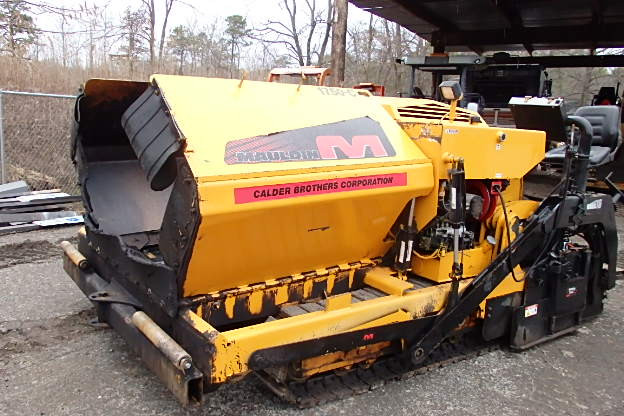
The 2026 asphalt paving equipment market offers a focused selection of used pavers, rollers, heaters, and support gear that helps contractors handle driveway, parking-lot, and roadwork jobs efficiently.
IronmartOnline assists buyers and sellers by providing clear insights into late-model used pavers and high-demand support equipment. It also highlights the features that are most important in current bidding environments. That includes engine hours, screed condition, digital controls, and transport readiness.
This guide covers the 2026 inventory landscape, locating nearby machines, identifying value signals, and confidently buying or selling equipment. You’ll see practical steps for vetting machines, arranging hauling, and securing financing options that fit your workflow.
Overview of 2026 Asphalt Paving Equipment Inventory
You’ll find a focused inventory of 10–12 high-value paving machines for driveway, parking lot,
seal-coat, and roadwork buyers. The stock includes late-model used asphalt pavers and
support gear that sells quickly to contractors.
How Infrastructure Spending Shapes 2026 Equipment Supply
Construction demand in 2026 is influenced by federal and state infrastructure programs. According to the Federal Highway Administration, sustained road and bridge funding boosts contractor activity and increases competition for used asphalt pavers and rollers.
Supply tightens when project volumes rise, and contractors look for ready-to-run machines. Understanding these cycles helps you decide when to buy or list your equipment. Higher demand raises prices, with low-hour tracked or wheeled pavers selling faster in regions with municipal funding.
Monitoring funding patterns helps sellers time listings and helps buyers prepare budgets that match expected inventory availability throughout the paving season.
Current Trends in Asphalt Equipment Availability
Trusted brands continue to supply used asphalt pavers, but low-hour, high-value machines grow rare. Buyers search for “asphalt equipment for sale near me” and expect machines with service records, working screeds, and verified engine hours.
Demand stays highest for wheeled and tracked pavers in the 4–12 foot width range. Contractors value machines with documented maintenance, sealed electrical systems, and recent epaves-ready parts like new screed plates.
You sell faster when you include hauling quotes, financing options, and digital inspection reports. Listing clear photos of the screed, conveyor, and operator station helps attract both local and national buyers.
Types of Asphalt Paving Machines
In 2026, inventory features compact pavers for driveways and small lots, mid-size tracked pavers for parking lots, and large pavers for municipal crews. Support equipment includes asphalt distributor trucks, rollers, and towable heaters.
Compact pavers (4–8 ft) work for residential paving. Mid-size tracked pavers (8–10 ft) fit commercial lots. Large pavers (10–12+ ft) serve highways and big contractors. Adding rollers and conveyors boosts sale value and buyer interest.
Highlight model year, engine hours, screed condition, and available hauling when you market used paving machines. Grouping a paver with a roller or distributor truck appeals to buyers who
want a ready-to-work crew.
Key Features in Modern Equipment
Buyers look for smooth hydraulics, electronic controls with easy displays, and durable screeds
with replaceable plates. Fuel-efficient Tier 4 engines and low-hour power units increase value. Heated hopper systems, responsive conveyors, and precise grade controls save setup time.
Safety and serviceability count: easy-access panels, documented parts history, and tested hydraulics reduce risk. Financing, verified hauling, and pre-sale inspections make your
machines are more attractive to all contractors.
List features clearly: engine make/model, screed width, hours, repairs, and included
accessories. Clear details shorten sales cycles and help you reach buyers ready to invest.
How to Find Asphalt Equipment for Sale Near Me
Start by narrowing your search to the machines you need: pavers, screeds, plate compactors,
and material transfer vehicles. Focus on local listings, dealer yards, and online marketplaces
that show hours, condition, and hauling options.
Best Online Marketplaces
Find marketplaces that let you filter by location, equipment type, and hours. Search listings with
model, year, and clear photos for tracked or wheeled asphalt pavers and towable mini-pavers.
Use saved searches and alerts to see new listings for used paving machines in 2026 as they appear. Prioritize listings that include maintenance history, repairs, and any remaining
warranties.
Check platforms offering buyer vetting, financing leads, and hauling quotes. These features
speed up purchases for contractors needing machines for driveways or roadwork.
Choosing Local Dealers
Visit nearby dealers who specialize in paving equipment. Inspect machines in person for frame wear, screed condition, conveyor belts, and hydraulic leaks. Ask for test runs and service Records.
Dealers often offer short-term warranties, financing, and hauling help. Compare offers on the same model to spot fair pricing. Work with dealers who list spare parts and provide service techs for your models. This reduces downtime for your paving crews.
Tips for Local Equipment Searches
Use search terms like “asphalt paver for sale [your city],” “used paving machines 2026,” or “parking lot paver near me.” Call sellers before visiting to confirm availability and request a walk-around video.
Bring a checklist: engine hours, hydraulic pressures, screed heat, track/tire condition, and service evidence. Take photos and record serial numbers. Negotiate delivery and hauling. Ask sellers about third-party inspections and help with loading.
Secure payment terms that protect you until the machine transfers and you check its condition.
Buying Used Paving Machines in 2026
You save money and get proven machines when you focus on condition, service history, and transport. Target pavers that match your job types—driveways, parking lots, seal-coat prep, or road overlays.
Benefits of Purchasing Used Equipment
Buying used asphalt pavers lowers your upfront cost and reduces depreciation. You can get a well-maintained tracked or wheeled paver for less and start working right away. Used machines often have proven screeds, conveyors, and engines.
Parts and technician knowledge are easier to source. Financing options, including zero-down offers, make large machines affordable. You also get faster availability. New builds may have long waits; used pavers let you bid on jobs now.
What to Look for in Used Asphalt Pavers
Check the screed first: test heating, extension travel, and mat uniformity. Uneven or non-heating screeds mean more repairs and slower work.
Inspect the conveyor for wear, slats, and leaks. Look at the augers and conveyor alignment; bent parts show past abuse. Check engine hours and service records for regular oil, filter, and hydraulic maintenance.
Check undercarriage condition on tracked pavers and tire wear on wheeled units. Test controls, electrical systems, and safety switches. Ask about replaced consumables and request a video of the machine running.
Inspection and Maintenance Tips
Bring a checklist and, if possible, a mechanic who knows asphalt pavers. Run the paver under load to listen for knocks, smoke, or power loss.
Check for hydraulic leaks at pumps, hoses, and cylinders. Watch temperature readings for the engine and hydraulic oil under load. Inspect vibratory and tamping systems for loose bolts, worn bearings, or broken mounts.
Record serial numbers and compare parts lists for worn items to estimate costs. Plan maintenance: change hydraulic fluid, clean the cooling package, and replace screed plates as needed.
Arrange transport in advance; hauling a paver often needs special permits and experienced carriers.
Major Brands and Models to Watch
Here are key makers and models for buyers and sellers of asphalt pavers in 2026. Focus on proven pavers, strong screed systems, and machines that hold value when reselling.
Popular Manufacturers in 2026
Familiar names lead resale demand for durable pavers, reliable powertrains, and service support. Look for brands with wide parts availability and field service.
Blaw-Knox and LeeBoy remain top choices for medium-to-large jobs. Compact and towable pavers attract driveway and seal-coat contractors. Heavy-duty tracked pavers suit roadwork and big parking lots.
Buyers want pavers with good hydraulics, simple electrical systems, and maintenance records. Sellers get faster sales when machines include service records, matched screeds, and optional extensions.
Notable Model Features
Consider features that affect performance, resale, and efficiency. Some options command higher prices on the used market.
Heated, extendable screeds and automatic grade-and-slope controls improve mat consistency. Tier-compliant engines with reliable hydraulic pumps cut downtime. Track units handle uneven jobs; wheeled units move faster between sites.
Simple, rugged controls often last longer than complex touchscreen systems. Attachments like extensions, tamper bars, and trailers increase buyer interest.
When selling, highlight upgraded screeds, recent engine overhauls, and available transport. Buyers seek machines with uptime records and spare-part kits.
Comparing New vs. Used Machines
Compare cost, depreciation, and uptime to decide whether to buy new or used. New pavers cost more upfront. Used high-value machines offer lower per-hour costs for many contractors. New machines lose most value in the first years; well-maintained used pavers keep value and sell faster.
New machines come with warranties and the latest emissions tech. Used machines with service Records can match uptime if inspected. You can get zero-down financing on used units and arranged hauling.
If you plan to resell soon, buy used machines with service records and strong screed packages. If you need an extended warranty and the latest emissions compliance, consider a new one.
Financing, Warranties, and Additional Services
You can secure flexible payment plans, understand warranty coverage for used paving equipment, and get hauling, inspection, and training services to help machines start earning right away.
Financing Options for Asphalt Equipment
Choose loans, lease-purchase, or dealer-backed programs for used paving machines. Many lenders offer 24–72 month terms and allow seasonal payments. Look for zero-down or low-down options to keep working capital.
Compare interest rates, prepayment penalties, and whether the lender requires equipment appraisal or proof of service history. Ask if the finance package covers single items or multiple machines. Get written approval timelines to schedule haul-away.
Understanding Warranty Coverage
Used paving equipment rarely comes with full factory warranties, but limited or refurbished ones warranties are common. These often cover engines, hydraulics, and transmissions for a set period or hours.
Read exclusions carefully: wear items and routine maintenance are usually not covered. Confirm if parts, labor, or both are included and where repairs must be done.
Buyers can often purchase extended coverage or service contracts. Check pricing versus likely repair costs and see if the seller offers a pre-sale inspection report.
After-Sale Support and Services
Plan for transport, setup, and operator training when you buy a used paver. Coordinating heavy hauling for large units prevents delays and extra fees. Get a quoted timeline and insured hauling
before finalizing the sale.
Request a service record and, if possible, a run-test video. Arrange short-term service packages: initial maintenance, parts kits, and repair scheduling. Training for operators and technicians helps you start production faster and reduces damage risk.
If you sell equipment through a broker, confirm they offer buyer vetting, secure payment handling, and help with title or lien checks to keep the transfer smooth.
Building a Strong 2026 Paving Fleet with Smart Choices
Selecting paving equipment in 2026 is easier when you understand inventory trends, compare machine features, and focus on condition and documented maintenance. These steps help you choose equipment that performs reliably across driveway, parking-lot, and roadwork projects.
IronmartOnline provides clear buying and selling guidance. We help contractors evaluate machines confidently and navigate hauling, financing, and inspection needs. Transparent details ensure smoother transactions and better long-term results for your fleet.
If you're ready to expand or update your paving equipment this year, start by outlining your project needs, reviewing available listings, and confirming machine condition. Make informed decisions today and move closer to a dependable, profitable fleet. Get started today.
Frequently Asked Questions
Find quick answers to common buyer and seller concerns about high-value used paving machines. Get specifics on models, dealers, costs, selection tips, and financing.
What are the latest models of paving equipment available for purchase?
In 2026, you’ll find updated wheeled and tracked pavers, compact machines for driveways, and high-capacity pavers with automated controls. Well-maintained mid-size screeds and Reclaimers offer new-model performance at lower cost.
Can you recommend some reliable dealers for asphalt equipment sales nearby?
Search local dealers who specialize in used paving equipment and offer inspections and transport. Use brokers with multi-platform marketing and verified buyer networks to reach serious buyers quickly.
What are the expected maintenance costs for used paving machines in 2026?
Expect routine costs for engine service, fluids, filters, and screed plates. Annual maintenance for a mid-size paver usually ranges from a few thousand to $10,000+, depending on hours and use.
How do I determine the best paving machine for my business needs?
Choose a machine size and hopper capacity that match your typical projects. Compact pavers work best for driveways and small lots, while high-capacity units suit roadwork.
Check engine hours and review the service history. Make sure you can get replacement parts easily. Consider transport and setup needs so the machine fits your job sites without high haul costs.
Are there financing options available for purchasing paving equipment this year?
Yes. Zero-down and low-down financing programs with fast approvals are available for used equipment in 2026. Compare interest rates, loan length, and collateral required to find the best offer.
What should I look for in a paving machine to ensure it's a profitable investment?
Focus on low engine hours and clean service records. Check for recent major work, like the engine rebuilds or hydraulic overhauls. Make sure wear parts are easy to find and affordable. Confirm transport and rigging costs before buying.
Pick machines that fit the type of work you do most. This helps you maximize uptime and boost your return on investment.