
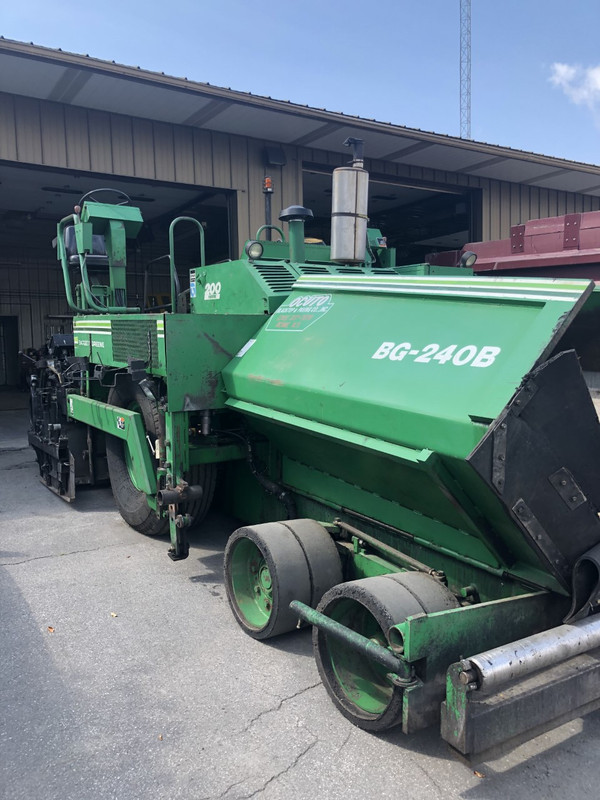
Finding the best used equipment for asphalt paving companies starts with knowing which machines return value from day one. Matching pavers, rollers, and support gear to your workload helps you control costs while building capability for driveway, parking lot, and small-road projects.
IronmartOnline works with contractors who need reliable used machinery. We are backed by transparent details, practical buying guidance, and clear steps to evaluate condition and readiness. That makes it easier to build a productive fleet without blowing your budget.
This guide breaks down the essential machines, how to compare used options, inspection tips, and what features matter most for paving jobs. You’ll get a straightforward roadmap so you can buy confidently and keep projects moving.
Essential Used Paving Equipment for Success
You need the right machines and a clear plan to run efficient jobs and win bids. Focus on asphalt pavers, compactors, and support gear that match the size of your projects and buyer demand in driveways, parking lots, and roadwork.
Must-Have Machines for Startup Paving Companies
Start with a reliable asphalt paver sized for your work. A tracked or wheeled paver that handles 8–12 ft widths covers most driveways and small parking lots. Check for a working screed, functioning hydraulics, and a solid conveyor system.
Get at least one tandem vibratory roller (3–8 tons) for compacting new asphalt. Add a plate compactor for edges and tight spots. A pickup/transfer machine or material transfer vehicle helps if you plan larger lots or variable truck feeds.
Include a milling machine if you expect repair or removal jobs. For small crews, a skid steer with pavement attachments adds versatility. Prioritize machines with service records, reasonable hours, and available parts.
Overview of the Used Paving Equipment List
Create a practical, used paving equipment list before buying. Rank items by immediate need: paver, tandem roller, material transfer unit, milling machine, dump trucks, skid steer, and dump trailers. Note the year, hours, known repairs, and included attachments.
Inspect the paver’s screed, conveyor, and engine. For rollers, check drums, vibration systems, and hydraulic leaks. Ask about recent maintenance and replacement parts for the engine, hydraulics, and electrics. Record location and transport needs.
Use a simple checklist: model, serial number, hours, key wear items, attachments, and current condition. That list helps you compare machines and decide which used units give the best value for your typical jobs.
Choosing the Right Equipment for Your Projects
Match equipment to job type and volume. For driveway and seal-coating contractors, a smaller wheeled paver and a compact roller reduce fuel and transport costs. For parking lot and roadwork bids, pick pavers that extend to 12–18 ft and include a transfer machine or hopper attachment.
Consider transport and financing. Heavy hauling costs add up, so factor logistics into the purchase price. Look for sellers offering buyer support like financing or hauling help to speed acquisition and reduce downtime.
Balance age and hours with parts availability. Older models can be great buys if parts are easy to source. Keep detailed inspection notes and, when possible, get machines with service histories to avoid surprises on your first jobs.
Types of Used Asphalt Pavers and Their Applications
You’ll find different pavers for driveways, parking lots, seal-coating work, and road projects. Pick machines that match job size, site conditions, and the crew you run.
Wheeled vs. Tracked Asphalt Pavers
Wheeled pavers sit on rubber tires. They move faster on paved or firm surfaces and cause less damage to finished pavement. For driveways and parking lots, wheeled pavers speed setup and repositioning. They handle light-to-medium projects well.
Tracked pavers use steel tracks for better traction and stability on soft or uneven ground. They work best for roadwork, large parking lots, and jobs with steep grades. Tracks give smoother paving at low speeds and handle heavier screeds and wider pave widths.
Choose wheeled for quick, urban jobs and tight access. Choose tracked for off-road, large-area, or heavy-duty paving.
Features to Look for in Pre-Owned Models
Check the engine hours and maintenance history first. A well-documented service log beats low hours with no records. Inspect the screed condition, hydraulics, and conveyor flights for wear or repair.
Look for heating systems on the screed for consistent mat quality. Verify controls and track/axle condition. Ask about recent parts replaced: augers, tamper bars, and drive motors matter most. Test-start the machine and run all hydraulic functions under load if possible.
Also, confirm availability of replacement parts and finance or hauling support. Many brokers can help with listings, inspections, and transport if you need those services.
Safety and Operational Compliance for Paving Equipment
Before buying used paving machinery, check that critical systems meet Occupational Safety and Health Administration (OSHA) safety expectations. OSHA highlights hazards involving moving conveyors, pinch points, and hydraulic failures on paving and compaction equipment. Ensuring guards, emergency stops, and operator stations work correctly reduces jobsite risks.
These reviews also help verify whether the machine has been maintained according to industry standards. A compliant machine typically shows fewer long-term issues in screeds, conveyors, and hydraulic circuits.
Aligning equipment choices with safety guidelines protects operators and reduces unexpected shutdowns. It also strengthens your ability to meet customer and municipal requirements.
Popular Brands and Models on the Market
Look for proven names that keep parts available and support the common industry. Models built in the 2000s and 2010s still appear frequently and can give a long service life when maintained.
Common choices include mid-size towable and self-propelled pavers for contractors starting out, and larger tracked models for municipal or roadwork fleets. Focus on models with Omni or heated screed options, 8–18 ft pave widths, and engines around 150–250 hp for mixed work.
When buying, match model capability to your typical contracts: smaller pavers for driveways and seal-coating; mid-to-large tracked pavers for parking lots and road projects. Consider resale value and how fast you can sell high-value units when you upgrade.
Key Supporting Equipment for Paving Companies
These machines speed prep, recycling, and compaction on driveways, parking lots, and roads. Picking the right models helps you win jobs, cut material costs, and finish sites faster.
Cold Planers: When and Why to Use Them
Cold planers remove old asphalt cleanly and control depth precisely. Use them when you need to mill a surface before repaving or to correct cross-slope and drainage issues. A 1–2 foot wide walk‑behind unit works for driveways and patch work.
For parking lots and roads, a 4–6 foot or larger machine cuts hours from prep time. Milled material can be stockpiled for recycling or fed to a reclaimer.
Look for machines with adjustable cutting heads, quick-change teeth, and hydraulic controls so operators can set depth without stopping. Choose a used cold planer with good engine hours and maintained hydraulics to avoid costly downtime.
Asphalt Reclaimers and Stabilizers
Reclaimers grind existing pavement and blend it with stabilizers or new binders on-site. Use them to reclaim full-depth pavement, rehabilitate shoulders, and save on virgin asphalt.
For smaller contractors, a compact reclaimer cuts transport and material costs on long driveways and small parking lots. Key features include a powerful cutter drum, a consistent mixing chamber, and the ability to add emulsion or cement.
Inspect the cutter teeth condition and mixing augers when buying used. Reclaimers let you reuse material on the job, reducing hauling and disposal fees while keeping margins higher on competitive bids.
Additional Vital Machines: Rollers and Compactors
Compaction makes or breaks a pavement job. Ride-on tandem steel rollers work best for finish rolling on thin lifts and parking lots. For granular bases and larger roads, pneumatic-tire rollers and oscillatory compactors give better density and fewer seams.
For tight spots and berms, use a vibratory plate compactor or small walk-behind roller. When buying used, check vibratory systems, scrapers, and tires/rollers for wear. Ensure the hydraulic systems and eccentric bearings are serviceable.
Pairing the right roller type with your paver and job size speeds compaction, reduces callbacks, and helps you meet warranty specs. Many brokers list quality used rollers and compactors that fit startup budgets and expanding fleets.
Buying Tips for Used Asphalt Equipment
Focus on the machine’s condition, service records, and who will support you after the sale. Check key wear items, confirm hours, and know transport and financing options before you commit.
How to Inspect and Evaluate Pre-Owned Equipment
Start with the basics: note, make, model, year, and serial number. Verify operating hours on the hour meter and cross-check with maintenance logs or photos of past services.
Inspect the engine, hydraulic pumps, and screed for leaks, smoke, or unusual noises. Look at the undercarriage, tires, and tracks for wear. On pavers, check conveyor chains, augers, and screed heaters. Run the machine if possible and test all controls, feeders, and lights.
Bring a mechanic if you can. Take clear photos of serial plates and problem areas. Use a checklist: engine, hydraulics, electrical, chassis, attachments, and any aftermarket parts. That helps you compare units and avoid surprises.
Where to Find Reliable Used Machinery
Search multiple channels to compare prices and conditions. Look at specialist listings for asphalt equipment, local classifieds, and multi-platform brokers that reach commercial buyers in driveway, parking lot, seal-coating, and roadwork sectors.
Prioritize sellers who provide full specs, service histories, and many photos. Listings that include VIN/serial and recent inspection reports show transparency. Consider machines that have been broker-listed because brokers often screen buyers and handle logistics.
If you need hauling or financing, pick sellers who offer transport coordination or link to financing options. Match the machine to your work: choose compact pavers for small lots and larger tracked pavers for roadwork or municipal contracts.
Warranties, Service History, and Dealer Support
Ask for dated service records with shop names, invoices, and part numbers. Recent major repairs—engine overhaul, hydraulic pump replacement, or new screed components—should have paperwork. Receipts increase resale value and reduce risk.
Check remaining factory warranties or transferable service plans. If none exist, negotiate a short-term warranty or conditional holdback until the machine leaves your yard. Confirm whether the seller or broker helps with post-sale support or parts sourcing.
Validate dealer or broker support: will they assist with shipping, inspections, or payment protection? Many brokers can help with buyer vetting, transport coordination, and appraisal guidance — useful for both small startups and larger contractors.
Budgeting and Financing for Startup Paving Businesses
You need clear cost estimates and smart financing to buy used paving equipment without hurting cash flow. Plan for purchase price, transport, insurance, and repairs so you can bid jobs with confidence.
Estimating Costs for Your Used Equipment List
List each item you need: paver, asphalt roller, dump truck, material transfer vehicle, and trailer. Get recent market prices for similar model years and hours. Note a realistic purchase range (low, typical, high) for each machine.
Add these fixed and variable costs:
- Purchase price
- Freight and heavy hauling
- Title, registration, and taxes
- Insurance and bonding
- Initial service, belts, screeds, tires, and filters
- Safety gear and attachments
Build a 12-month operating buffer equal to 10–20% of your total equipment spend. That covers unexpected repairs and seasonal slowdowns. Use a spreadsheet so you can update numbers when you find specific machines.
Getting the Most Value for Your Investment
Prioritize machines that hold resale value and match your target jobs: driveways, parking lots, seal-coating prep, and small roadwork. A late-model paver with a good screed and a reliable roller often returns work faster than a cheaper, high-hour unit.
Negotiate using documented service history and recent appraisal values. Inspect wear items that cost money to replace: augers, conveyor chains, conveyor belts, and hydraulic components. Factor in transport and setup when comparing offers.
Consider financing options like low-rate loans, lease-to-own, or zero-down programs to preserve working capital. Compare total cost over the term, not just monthly payments. If you sell or trade later, machines with strong demand will reduce holding costs and free cash for growth.
Building a Reliable, Cost-Effective Paving Fleet
Success in asphalt paving starts with choosing used equipment that matches your work volume, crew size, and long-term goals. By understanding how each machine contributes to production, compaction, and site prep, you avoid overspending and build a fleet that performs consistently.
IronmartOnline supports contractors with clear information, practical assessments, and guidance rooted in real jobsite needs. That commitment helps you compare equipment, plan purchases, and build capability at a sustainable pace.
If you’re ready to assemble a dependable used paving fleet, start outlining your equipment list and evaluating options today. Strong decisions now set your company up for profitable projects ahead. Get started today.
Frequently Asked Questions
This section answers common buying and selling questions you’ll face when sourcing used paving machines. It focuses on the real gear you need, where to look, what to check, and typical costs.
What are the essential pieces of equipment for a startup asphalt paving company?
You need an asphalt paver, a roller (steel or pneumatic), and a material transfer vehicle or dump truck with a transfer hopper. Add a portable asphalt plant or supplier relationship, plus hand tools like rakes, shovels, and screed extensions.
How can I find quality used asphalt paving equipment near me?
Search specialized listings and classified sites by region. Visit local equipment yards and attend trade or surplus sales to inspect machines in person.
What factors should I consider when purchasing a used asphalt paver?
Check engine hours, maintenance records, and service history first.
Inspect the screed, conveyor system, hydraulics, and electronics for wear or leaks.
Confirm parts availability and whether common wearable parts have been replaced.
Ask about recent jobs it ran and request an operational test on the heated mix if possible.
Where can I find small asphalt pavers for sale?
Look at equipment marketplaces and local dealer used lots that list compact pavers.
Also check auction listings and contractor equipment sell-offs for smaller models suited to driveways and parking lots.