
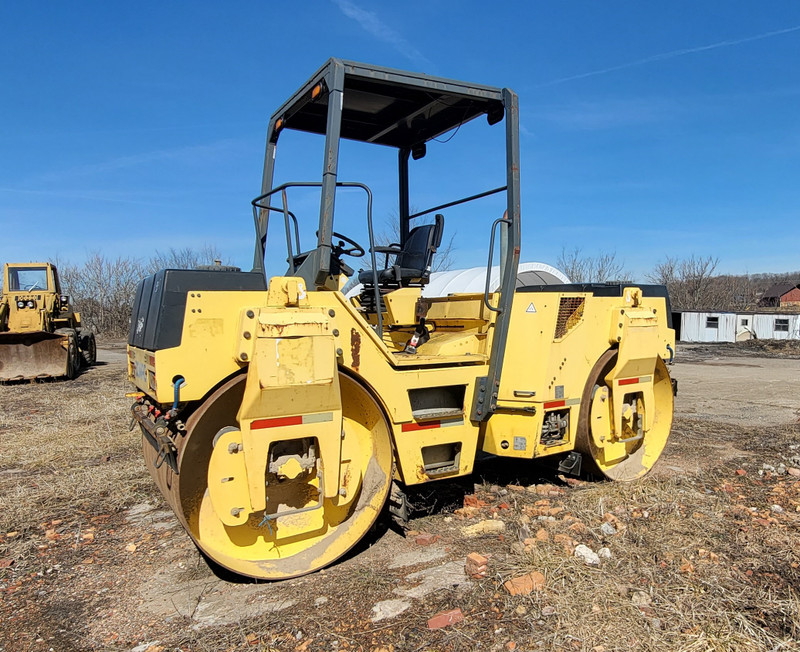
When you search for a Bomag roller for sale, you need clear guidance to compare models, assess condition, and choose a machine that delivers reliable asphalt compaction. The right roller improves productivity, reduces passes, and supports consistent paving results.
IronmartOnline helps equipment owners and contractors understand what matters most when evaluating used compaction machines. By focusing on machine history, core specs, and operational performance, you gain more control over the buying process.
This guide breaks down roller types, key features, inspection steps, and trusted-seller practices. You’ll learn how to simplify comparisons, avoid common pitfalls, and make confident decisions with practical, easy-to-follow steps.
Overview of Bomag Rollers for Sale
Bomag rollers include small tandem rollers and heavy double-drum compactors for asphalt and soil work. Machines feature hydrostatic drives, diesel engines, and drum widths from about 47" to 66" to suit various jobs.
You can match drum size and drive type to the needs of driveways, parking lots, or roadwork. Hydrostatic drives and diesel engines offer reliable performance for many applications.
Current Listings and Availability
Used Bomag rollers appear in rotating inventories of high-value paving machines. Common models include BW120, BW135, BW138, and BW177, often from the 1990s to 2010s, with drum widths around 47" to 66" and engines in the 30–100 hp range.
Listings usually mention condition, hours, and drive type. Many sellers offer machines “as-is,” so ask for inspection reports, photos, and a test run before you buy.
Common Applications in Construction
Bomag compactors handle both asphalt and soil compaction. Double-drum smooth rollers work best for final asphalt passes on driveways, parking lots, and small roads.
Larger vibratory models handle base compaction and granular layers before paving. Narrow or lighter Bomag units fit tight sites like residential driveways and small commercial lots.
Contractors who seal-coat or repave benefit from rollers that provide a uniform surface finish and reliable vibration control. Municipal crews use Bomag machines for repeated, varied projects.
Key Features to Look For
Check engine condition, hydraulic pump health, and drum wear. Inspect for oil leaks, consistent vibration, and even drum edges. Important specs include drum width, centrifugal force, operating weight, and fuel usage. These affect compaction results and operating costs.
Look for service records and any recent drum or engine overhauls. Features like adjustable vibration frequencies, water spray systems, and comfortable operator platforms add value.
If you plan resale or rentals, check transport dimensions and gross weight to plan hauling and permits.
Choosing the Right Bomag Roller for Asphalt Compaction
Select a roller that matches your job size, surface type, and power needs. Focus on drum width, drum type, and engine horsepower for consistent compaction.
Understanding Asphalt Compaction Needs
Match the roller to the material and layer thickness. For thin driveways, lighter single-drum rollers work well. For parking lots and road shoulders, double-drum vibratory rollers give smoother results.
Heavier lifts and tight specs need more compactive effort, so choose a machine with higher centrifugal force and good vibration control. Check water spray systems and padfoot options if you work with hot mix or reclaimed asphalt.
If you handle many short jobs, a reliable used Bomag roller saves money up front and keeps uptime high with regular maintenance.
Roller Size and Drum Configuration
Drum width affects coverage and maneuverability. Narrow drums (around 56–66 inches) fit tight spots and driveways. Wider drums reduce passes on large parking lots and roads.
Drum type matters: smooth drums finish asphalt cleanly, while vibratory drums add force to densify mixes faster. Single-drum machines focus weight for edge compaction; double-drum machines give even contact.
Inspect the drum condition on used machines. Look for straightness, even wear, and working scrapers or water systems.
Assessing Horsepower and Performance
Engine horsepower impacts speed, hydraulic power, and auxiliary systems. For small to mid-size rollers, 60–130 hp is usually sufficient. Larger rollers may need 150+ hp for heavy use. Match horsepower to machine weight and pump capacity.
Underpowered rollers struggle on slopes or heavy lifts, while overpowered units waste fuel. Ask for hours, maintenance records, and proof that vibration systems and brakes work. A well-documented used Bomag can deliver strong performance at a lower cost.
Exploring Used Bomag Roller Options
Used Bomag rollers provide reliable compaction at a lower cost than new machines. Choose machines based on hours, service history, and included features.
Advantages of Buying Used
Buying a used Bomag roller saves money and reduces depreciation. You can find a well-maintained unit for much less than a new one, which helps small contractors grow. Look for units with recent engine service, working water-spray systems, and maintenance-free bearings.
Lower engine and vibration hours usually mean longer life. Work with sellers who provide clear photos, service records, and allow pre-purchase inspections to avoid hidden issues.
Certified Pre-Owned vs. Private Sale
Certified pre-owned Bomag rollers come with inspection reports, limited warranties, and dealer-backed reconditioning. This reduces risk and may include transport and financing options.
Private sales often cost less but carry a higher risk. Insist on a written condition report, a test run, and proof of regular maintenance. Arrange a third-party inspection if you can’t visit in person.
Certified units offer predictable uptime for quick turnarounds. Private purchases suit tight budgets or experienced mechanics if you vet the machine carefully.
Popular Used Bomag Models
Commonly used Bomag rollers include double-drum and single-drum models for asphalt and base compaction. Models with 54–66 inch drums balance coverage and maneuverability.
Popular models often feature pressurized water-spray systems and Tier 4 diesel engines, important for asphalt finishing and environmental compliance. When comparing models, prioritize drum width, engine condition, and vibration control.
Popular Bomag Models and Their Benefits
Bomag rollers combine power, visibility, and easy service. They suit driveway, parking lot, and roadwork jobs and hold strong resale value.
BW177 D-5: Versatile Compactor
The BW177 D-5 handles asphalt and soil work with a 66-inch drum and advanced vibration control. You get smooth compaction for paving small roads, parking lots, and driveways, plus good operator visibility.
Maintenance is simple with accessible service points, which lowers downtime. Fuel-efficient engines cut operating costs and help the machine keep value when you sell.
The BW177 D-5 gives predictable ride quality and strong density. It appeals to both small contractors and municipal buyers.
BMP8500: Articulated Soil Compactor
The BMP8500 targets large-area soil compaction. Its articulated frame and adjustable amplitude let you tune performance for subgrade, base layers, and large sites. This model boosts productivity on roadwork and heavy driveway prep.
Its robust frames and hydraulic systems withstand hauling and repeated loading. If you handle base compaction or large-scale landscaping, the BMP8500 reduces passes and fuel use. It’s a strong choice for contractors who need a durable workhorse.
BW135 AD: Double Drum Roller
The BW135 AD double drum roller excels on asphalt surfacing and tight-access jobs. Its compact size and 54–56 inch drums help finish driveways and small parking areas with precise edge control.
Water spray systems and smooth drum faces prevent asphalt pickup and improve finish quality. Simple controls and good sightlines keep operator fatigue low.
When you sell a used BW135 AD, highlight low hours, maintained spray systems, and recent drum resurfacing. These features attract buyers who want ready-to-run machines.
Transport Regulations and Hauling Requirements
Moving a Bomag roller requires understanding federal and state hauling rules. The U.S. Department of Transportation states that oversize or overweight loads may require permits depending on machine weight and transport width.
Knowing these rules in advance helps you plan delivery schedules and avoid delays. Proper tie-downs, escort requirements, and axle spacing rules vary by region and should be reviewed before finalizing purchase terms.
Clear transport planning protects your investment and prevents avoidable compliance issues during delivery.
How to Buy from a Trusted Seller
Look for clear credentials, a thorough inspection process, and secure payment terms. These steps protect your money and ensure the used Bomag roller suits your needs.
Checking Seller Credentials
Ask for business registration, a working phone number, and references from recent buyers. Confirm the seller has sold similar paving machines recently and can provide serial numbers and maintenance records.
Check how the seller markets equipment and how long listings stay active. Trusted sellers offer written terms: as-is condition, broker involvement, and hauling or inspection details.
Look for secure payment options and a clear refund or dispute policy. If a broker is involved, confirm fees and who holds funds until delivery.
Inspection Tips Before Purchase
Arrange a walkaround and operational test at the seller’s location. Inspect drum surfaces, scraper bars, hydraulic lines, frame welds, and engine hours. Run the engine, test vibration, brakes, lights, and steering.
Request maintenance logs and ask about recent repairs or part replacements. If records are missing, hire a certified mechanic for inspection. Take time-stamped photos and a video of the machine running.
Use a checklist that includes serial number, fluid leak checks, drum wear, and water-spray system service. Walk away or renegotiate if you find major issues or hidden damage.
Negotiation and Safe Transactions
Start negotiations with a clear target price based on listings, condition, and transport costs. Break down your offer: base price, warranty terms, inspection allowance, and hauling fees. Put all terms in writing before transferring funds.
Use escrow or broker-managed payment systems to secure funds until you confirm the machine’s condition. Avoid wire transfers to unknown sellers; use verified checks or payment platforms that hold funds until delivery.
Agree on pick-up terms: who arranges hauling, who pays permits, and when title transfers. Include a final acceptance window for operational checks. Keep all communications by email or message for records.
Making a Confident Roller Purchase Decision
A Bomag roller purchase becomes simpler when you focus on core specs, model differences, maintenance history, and compaction requirements. With clear criteria, you can match the roller to your paving workload and avoid costly surprises.
IronmartOnline supports buyers and sellers with transparent information, practical guidance, and a process built around clarity and trust. This helps you evaluate roller options with confidence and plan for long-term performance.
If you’re preparing to buy or sell a Bomag compactor, now is the time to take the next step. Review your needs, compare models, and reach out to begin the process. Get started today.
Frequently Asked Questions
This section answers common questions about buying a used Bomag roller, how weight affects compaction, where to find dealers, price ranges, model differences, and parts sourcing.
What should I consider when purchasing a used Bomag roller?
Check hours, service records, and hydraulics. Inspect drum wear, leaks, and vibration. Verify engine emissions and test water-spray and vibration systems. Ask for a test run and a mechanic's inspection.
How does the weight of a Bomag roller impact asphalt compaction?
Heavier rollers provide more pressure and compact thick asphalt layers faster. Use lighter rollers for driveways or delicate areas. Match roller weight to mat thickness and job size for best results.
Where can I find a reliable dealer for Bomag compactors?
Look for dealers with full service histories and third-party inspections. Choose sellers who offer secure payment and buyer vetting. Check ratings, ask for references, and confirm seller control until funds clear.
What's a good price range for a used Bomag compactor?
Model year, hours, and condition affect price. Small double-drum rollers usually start in the low tens of thousands. Larger or newer Bomag units can cost much more. Request several quotes and check valuation based on hours, service history, and recent market sales. Add transport, inspection, and repair costs to find your actual price.
Are there any notable differences between Bomag models for specific compaction needs?
Double-drum smooth rollers work best for asphalt resurfacing and parking lots. Single-drum or padfoot rollers handle soil compaction and base work better. Engine power, drum width, and vibratory frequency change by model and impact coverage. Choose a model that fits your job, like driveways or heavy roadwork.
How do I find replacement parts for a Bomag roller?
Check OEM parts lists or use the machine’s serial plate to get part numbers. Authorized dealers and specialist brokers can help you source hard-to-find components. You can also contact brokers who locate parts, arrange shipping, and suggest compatible alternatives. Keep common spares like seals, filters, and vibration parts on hand.