
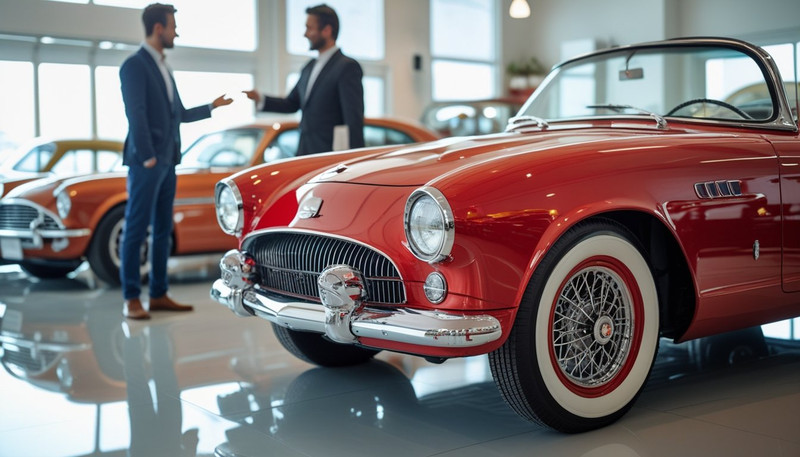
Collectible antique car sales bring together passion, history, and smart decision-making. Whether you're expanding a collection or preparing to sell, understanding the market helps you approach each step with confidence and clarity.
When you use the reach and structured support offered by IronmartOnline, you gain access to qualified buyers. They value originality, condition, and documented history. This specialized guidance helps you stay in control while avoiding the usual pitfalls that slow down collectible car transactions.
In this guide, you’ll learn how to evaluate collectible antique cars, prepare for buying or selling, and navigate documentation, pricing, and market trends with ease. Each section is designed to make your decisions simpler and more informed.
Key Takeaways
- Understanding your market helps you sell collectible antique cars faster.
- Connecting with serious buyers increases your chances of top-dollar sales.
- Proper maintenance and targeted marketing improve resale value.
Understanding Collectible Antique Car Sales
Collectible antique cars are unique vehicles that hold value because of their age, rarity, and condition. Knowing which models are popular, how the market moves, and what experts look for when valuing cars can help you make smart buying or selling decisions.
Definition of Collectible Antique Cars
Collectible antique cars are usually over 25 years old and represent important moments in automotive history. These cars are often rare or have unique features, making them valuable to collectors. Original parts, low mileage, and well-maintained restorations increase a car’s collectible status.
Consider the car’s historical background, such as limited production models or famous ownership. Cars like early Mack trucks or classic Buicks from the 1930s can fit this category. These vehicles are more than transportation—they are pieces of history.
Market Trends and Popular Models
The market for collectible antique cars changes, but usually favors cars with strong brand recognition or historic value. Models like the 1930 Buick Roadster convertible or the 1960s Mack trucks have steady demand.
You might notice increased interest in cars linked to motorsports or milestone events. For example, the 1978 Corvette Indy 500 Pace Car replica is popular because of its limited production and racing history. Watching market trends helps you know when to buy or sell to get the best price.
Grading and Valuation Criteria
Experts use grading systems focused on condition, originality, and rarity. A common scale runs from 1 (perfect) to 5 (poor). You need to assess factors like:
- Body and paint condition
- Engine performance and originality
- Interior quality
- Documentation and history
High-grade cars command higher prices. Accurate grading protects you from overpaying or underselling your collectible.
How to Buy Collectible Antique Cars
Buying a collectible antique car means knowing where to find trusted sellers, how to verify the car’s condition and authenticity, and the best ways to agree on a fair price. Taking the right steps can help you avoid costly mistakes and secure a car that holds value.
Where to Find Authentic Sellers
Look for sellers who specialize in antique vehicles, such as reputable brokers or online platforms. These sellers offer listings that include detailed descriptions, photos, and often the history of the car.
You can also find authentic sellers at classic car shows, auctions, or through car clubs dedicated to antique vehicles. Be cautious with private sellers who don’t provide full history or documentation.
Check the seller's reputation by reading reviews or asking for references. A trustworthy seller will be transparent about the car’s condition and history and will allow you to inspect the vehicle or get a professional to verify it.
Inspection and Authentication Tips
Always inspect the car in person or hire an expert to do it for you. Check for originality—looking at the engine, chassis number, and bodywork is key. Look out for mismatched parts or signs of heavy restoration if you want an original vehicle.
Get a vehicle history report when possible. It can tell you about past ownership, accidents, or major repairs.
If buying online, ask for detailed photos and maintenance records. For rare models, authentication papers and provenance documents add value and prove the car’s background.
Pricing and Negotiation Strategies
Research similar models to understand the market value. Prices vary based on rarity, condition, and historical importance.
Be prepared to negotiate by knowing common issues or repairs that might lower the price. If you hire a professional to inspect, use their report to justify your offer.
Set a budget but leave some room to negotiate. Avoid pressure to buy quickly. Good sellers will allow time for inspection and questions.
Selling Your Collectible Antique Car
Selling a collectible antique car takes more than just listing it for sale. You need to get your car ready, set a price buyers will respond to, and pick the best platform to reach serious buyers. Paying attention to these details helps you sell faster and for a fair price.
Preparing Your Car for Sale
Start by cleaning and fixing your car. A well-maintained car shows buyers that it has been cared for. Wash and wax the exterior, clean the interior, and repair any small dents or scratches.
Next, gather all service records, restoration receipts, and documentation. Buyers want to see the car’s history and proof of authenticity. This builds trust and helps justify your asking price.
Consider a professional inspection or appraisal. This can identify issues you might miss and give you an accurate value. Preparing your car shows buyers you are serious and knowledgeable.
Setting the Right Asking Price
Set a price based on research and condition, not just your emotions. Check recent sales of similar models to see current market values. Use trusted appraisal services if possible.
Be clear about your car’s condition, originality, and any unique features. These factors affect value a lot. For instance, a 1964 Mack B61S with original parts sells differently from one needing repairs.
Avoid overpricing. Overpriced cars sit unsold longer and may turn buyers away. Price competitively to attract attention but leave room for negotiation. You want a fair price that reflects your car’s true worth.
Choosing the Right Sale Platform
Pick a platform with the right audience and reach. Websites that specialize in collectibles and antique vehicles offer access to serious buyers. Listing on multiple platforms can increase exposure and help you find the right match.
Use clear photos, honest descriptions, and detailed contact info. A trusted brokerage or marketing service can help you navigate offers and paperwork, reducing your stress.
Make sure your chosen platform supports secure payment and protects your rights as a seller. This keeps the process smooth and safe from start to finish.
Legal and Financial Considerations
When selling collectible antique cars, you need to handle paperwork carefully, insure your vehicle properly, and understand the tax rules that apply. Taking control of these details helps protect your investment and ensures a smooth sale.
Title Transfer and Paperwork
You must have a clear title to legally sell your antique car. The title proves ownership and must be signed over to the buyer. Check if your state requires a notarized signature or additional forms.
Keep all documents handy, including the title, bill of sale, and any maintenance records. These papers prove the car's history and condition. Some states offer special antique vehicle registrations, which may give you benefits like reduced fees or exemptions.
Insurance Requirements
Before selling, make sure your antique car has the right insurance. Standard policies might not cover collectible cars adequately. Consider a specialty insurer that values your car based on its rarity and condition, not just market price.
Once ownership transfers, the buyer must get their own insurance. If you plan to show or drive the car during the sale process, confirm your coverage covers these activities. Insurance protects both parties from losses due to accidents, theft, or damage during transfers.
Tax Implications of Antique Car Sales
Sales tax rules on antique cars vary by state. Some states exempt collectors or vehicles older than a set age from sales tax, while others tax the full sale price. Always check your local Department of Motor Vehicles (DMV) website.
If you sell to a dealer or use the sale as a business transaction, different tax laws may apply. You may need to report the sale value as income for tax purposes. Keep all receipts and transfer documents for your tax records.
Consult a tax professional if you have questions. Understanding your tax duties stops surprises and keeps your sale clean.
How the IRS Treats Gains on Collectible Car Sales
For U.S. sellers, antique and collectible cars may be treated as “collectibles” for federal tax purposes when sold at a profit. According to IRS Topic No. 409 on capital gains and losses, net capital gains from selling collectibles can be taxed at a maximum federal rate of 28%.
This rate is higher than the typical long-term capital gains rates for other assets.
Citing this IRS guidance in your planning (and sharing it with your tax advisor) helps you avoid surprises after a high-value sale. It also reassures serious buyers that you handle collectible transactions professionally and understand the tax side of the market.
Maintaining and Restoring Antique Cars for Sale
Keeping your antique car in great shape helps protect its value and appeal to buyers. Proper restoration focuses on preserving original features while fixing key parts. Good storage and care prevent damage from weather and time.
Restoration Tips for Maximum Value
When restoring, keep original parts whenever possible. Replacing original pieces with new parts can lower the car’s value. If replacements are needed, use period-correct materials and parts.
Focus on the engine and mechanical systems first. A running, reliable engine is important for buyers. Make sure brakes, tires, and suspension are safe and functional. Take before-and-after photos during restoration.
These build trust with potential buyers and prove the quality of your work. Avoid over-restoring. Cars that look too new can lose their classic charm. Small imperfections preserved in good condition are often preferred by collectors.
Preservation and Storage Best Practices
Store your antique car in a dry, climate-controlled space to avoid rust and mold. Use a breathable car cover to protect the paint while letting moisture escape.
Keep the car clean, but avoid washing it too often. Dirt can protect paint, but salt and grime cause corrosion. Start your car regularly to prevent engine seals and parts from drying out. Move it slightly to keep tires from developing flat spots.
Check fluids often and replace as needed. Use specialized products like fuel stabilizers during long storage periods. Good storage and gentle use maintain value and avoid costly repairs.
Top Events and Auctions for Antique Car Collectors
If you want to find rare and valuable antique cars, knowing where to look is key. The right auctions and events bring together serious buyers and sellers. You get access to unique vehicles, expert appraisals, and networking opportunities with other collectors.
Major Auction Houses
Auction houses are where many antique car deals happen. They offer vehicles that range from unrestored originals to fully restored classics. These auctions often publish detailed catalogs with vehicle history and condition reports.
You can expect transparent bidding and secure payment processes. Some auctions run live events as well as online sales, giving you more choices. Registering in advance is important to make sure you can participate.
Auction pricing gives you a real sense of market value. If you’re selling, these events let you reach a wide audience of qualified buyers.
Must-Attend Collector Events
Collector events are great for seeing a variety of antique cars in person. They often feature showcases, auctions, and networking opportunities. These gatherings help you meet other enthusiasts and industry experts who can share valuable advice.
Some well-known events mix car shows with auctions, allowing you to inspect cars before bidding. Others focus on specific brands or eras, helping you target your collecting interests. These events often include appraisals and restoration workshops to help you make informed decisions.
You can find events hosted locally and internationally, many with a strong online presence for pre-event searches.
Building a Network in the Antique Car Community
Connecting with other collectors and enthusiasts is key to finding rare vehicles and trusted sellers. Building relationships helps you trade knowledge, buy with confidence, and spot genuine deals. Collector clubs bring together people who share your interest in antique cars.
These clubs often hold meetings, shows, and swap meets where you can see cars up close and meet owners. Being part of a club gives you access to exclusive listings and advice, including tips about restoration, parts sources, and upcoming auctions.
Members offer referrals to mechanics and appraisers experienced with vintage cars. Look for local or national clubs focused on your specific car type. Many clubs require membership fees but provide newsletters and events. Joining shows commitment and helps you build a reliable network over time.
Engaging in Online Communities
Online communities connect you with collectors worldwide. Forums and social media groups on sites like Facebook let you ask questions, share photos, and post cars for sale. Active groups give quick feedback about a car’s condition or history, and you can watch for sales posted by knowledgeable sellers.
Some groups focus on specific brands or eras, making it easier to find relevant information. Engage regularly and be clear about what you want. The relationships you build online can lead to trusted sales and expert advice.
Making Collectible Antique Car Sales Simple and Rewarding
Collectible antique car sales become much easier when you understand the market, prepare your vehicle properly, and connect with serious buyers who appreciate authenticity and historical value. Clear documentation, thoughtful pricing, and honest evaluations help you move through each step confidently.
With the support of IronmartOnline, you gain structured exposure and expert guidance. Their transparent processes respect your goals, whether you are a collector or a seller. This approach reinforces trust and helps you reach qualified buyers who truly value your vehicle’s history.
If you're ready to navigate the collectible antique car market with confidence, call us today. Start preparing your listing, reviewing your documentation, and connecting with the right audience. Take the first step toward a smooth, rewarding sale today.
Frequently Asked Questions
When buying a collectible antique car, consider condition, value, and authenticity. Know where to find cars within your budget and understand the rules that affect classification and sales.
What should I consider when buying a collectible antique car?
Check the car’s overall condition, including the engine, body, and interior. Look for any signs of damage or heavy repairs. Ask about maintenance history and whether parts are original or replaced, as this affects value and future repairs.
How do I determine the value of a classic car?
Value depends on rarity, condition, and demand. Use price guides, recent sale prices, and professional appraisals. You can get a valuation service to avoid guesswork. Specialized services add value by providing expert assessments.
What are the best platforms or places to buy antique cars?
Look for dedicated classic car websites, auctions, and specialty dealers. Local car shows and clubs also offer great sources. Online platforms let you compare prices and options quickly, but always verify seller reputations.
Can you suggest ways to find classic cars for sale under $5,000?
Search smaller local auctions, private sales, and online marketplaces. Focus on cars needing restoration or lesser-known models. Patience helps—bargains can pop up if you watch listings regularly.
What are the implications of the 40-year rule for classic cars?
Cars over 40 years old often qualify as classic or antique by law. This can affect registration, taxes, and insurance costs. The rule may also give you access to special events or exemptions.
How can I verify the authenticity and history of an antique car before purchase?
Request the vehicle’s documentation, such as the title, registration, and service records.
Check a vehicle history report for accidents or ownership changes. Hire a professional to inspect the car and confirm its originality and condition.