
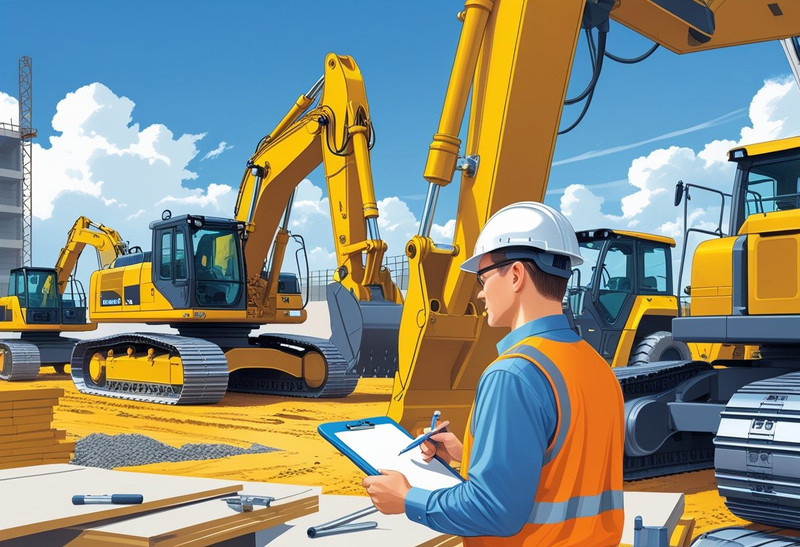
A construction equipment appraisal gives you a clear, data-backed picture of what your machinery is worth right now. Whether you plan to sell, insure, or finance your equipment, a precise valuation helps you make informed decisions and avoid guesswork.
Working with IronmartOnline ensures you get transparent appraisals supported by industry insight and real market data. Their approach helps you understand how condition, age, usage, and demand shape your equipment’s value, giving you control and confidence.
In this guide, you’ll find out how the appraisal process works, what factors influence value, and how to use your appraisal for smarter sales, budgeting, and asset management. Each section is designed to help you get accurate numbers and maximize return.
Key Takeaways
- Accurate appraisals help you understand your equipment’s true market value.
- A good appraisal considers many factors, including condition, usage, and market trends.
- Choosing the right appraisal and marketing service can speed up your sale and maximize price.
What Is Construction Equipment Appraisal?
Appraising construction equipment means figuring out its current value and how long it can still be used. This helps you make smart decisions when buying, selling, or insuring machines. It covers many types of equipment used in different job sites and industries.
Definition and Scope
A construction equipment appraisal gives a detailed estimate of a machine’s worth based on its condition, age, hours of use, and market trends. It goes beyond book value by considering how much useful life the equipment has left. This appraisal provides a clear picture of what your machine is worth now and in the near future.
Appraisals protect you from overpaying or undervaluing your assets. Experts who understand heavy machinery and the construction market usually perform them, providing accurate numbers grounded in real data.
Types of Construction Equipment Appraised
You can appraise many kinds of machinery, like excavators, bulldozers, wheel loaders, cranes, and dump trucks. The appraisal also includes attachments like buckets or specialized tools. Each type has unique wear patterns and value factors.
Some common pieces of equipment appraised include:
- Earthmoving equipment: excavators, graders, dozers
- Material handling: forklifts, cranes, loaders
- Road construction: motor graders, asphalt pavers
- Heavy trucks and trailers are used to move materials
The appraisal considers how often the equipment has been used, its maintenance history, and any recent repairs. These details affect resale value and insurance coverage.
Industry Applications
Construction equipment appraisals are essential for contractors, construction companies, and municipalities. They help you decide on fair sale prices, insurance claims, and tax reporting. If you plan to sell used equipment, an accurate appraisal ensures you get top dollar without surprises.
Appraisals also help with leasing or financing, since lenders want to know the value before approving credit. Appraisals support better pricing and smoother sales, helping you reach qualified buyers with value data you can trust.
Purposes for Conducting Construction Equipment Appraisals
Knowing the value of your construction equipment helps with many important decisions. It lets you manage your assets better, get the right financing, and make sure you have proper insurance coverage. These factors impact how well you control costs and protect your business.
Asset Management
Appraising your equipment gives you a precise value for each machine. This helps you track depreciation over time and plan for replacements. You can also spot which assets are working well and which ones might need repair or retirement.
By understanding your equipment’s book value and useful life, you avoid surprises when it’s time to sell or trade your machines. This keeps your equipment list accurate and helps with budgeting. An up-to-date appraisal makes it easier to decide whether to sell or keep specific items.
Financing and Loans
When you apply for a loan or financing, lenders need a clear, current value of your equipment. An appraisal shows them the real worth of your machinery, increasing your chances of approval.
You can use the appraisal to secure better loan terms or lease agreements. Knowing your equipment’s exact value helps you avoid borrowing too little or too much. It also gives you confidence when negotiating with banks or financial institutions.
Insurance Coverage
Having accurate appraisals ensures your equipment is insured for the right amount. Underinsuring leaves you at risk if something breaks down or is stolen. Overinsuring means you pay more than necessary in premiums.
An appraisal details each piece of equipment, including its condition and market value. This helps insurance companies set a fair premium. You can protect your investment without paying extra. Keeping your insurance updated after appraisals avoids costly gaps in coverage.
Methods of Construction Equipment Appraisal
To find the fair value of your construction equipment, appraisals often use specific methods based on market data or replacement costs. These methods help you understand what your machine is worth now and its future usability.
Market Approach
The market approach looks at recent sales of similar construction equipment to set a realistic value for your machine. This method focuses on actual buyer behavior and current demand. You compare your equipment’s age, condition, hours used, and brand to similar listings or sold items.
Key points of this approach include:
- Use of active sales data: Recent transaction prices guide the appraisal.
- Adjustments: Values change based on equipment condition or unique features.
- Reflects real-world demand: Market conditions like high demand or downturns affect pricing.
This approach works well when you have access to reliable sales data. Broad market insights help keep your price competitive.
Cost Approach
The cost approach estimates value by calculating how much it would cost to replace your equipment today, minus depreciation. You start with the price of new machinery with the same specs and then reduce it based on wear, age, and use.
Steps involved:
- Estimate new replacement cost: Current price of a comparable new machine.
- Subtract depreciation: Reflect how much value has been lost over time due to use or obsolescence.
- Add any special features or recent upgrades: These can increase value.
This method is especially useful if market sales are limited or if the equipment is unique. It helps set a baseline for pricing and can guide you on what you might expect to invest if buying new, compared to selling used.
Steps in the Appraisal Process
Knowing how to value your construction equipment correctly is key to getting a fair price. The process focuses on understanding your machine’s condition, history, and market data. This helps you know exactly what your equipment is worth today and what to expect in the future.
Initial Assessment
The first step is to gather basic information about your equipment. You should note the make, model, year, and current hours or mileage. This helps set a starting point for the appraisal. The machine’s maintenance records and usage history are also important because equipment that is well cared for usually holds more value.
You should also describe any upgrades or attachments your equipment has. These can increase resale value. At this stage, it’s helpful to check the machine’s overall appearance and note obvious signs of wear or damage. This initial data sets the tone for a more detailed review later.
Data Collection
Next, you collect detailed information that impacts value. This includes market prices for similar equipment, current demand, and how fast the equipment generally sells. You can use online listings, auction results, and recent sales reports to get these figures.
You need to compare your equipment with others of the same type and age. Factors like location, equipment condition, and market trends matter here. This ensures a reliable value based on up-to-date market data, so you won’t undervalue or overprice your machine.
Inspection Procedures
A thorough physical inspection follows. This step involves checking engine condition, hydraulics, tires, and structural parts like frames and booms. You want to identify any repairs or potential issues that might reduce value.
The inspection covers operational tests as well. Running the equipment helps verify performance and spot hidden problems. Specialists look for leaks, noises, and wear that don’t show in documents. This hands-on check confirms and refines the value, making it accurate and trustworthy.
Key Factors Affecting Equipment Value
When you decide to appraise construction equipment, several important factors will shape its value. These include how old the machine is, the brand and model you have, and the technology it features. Each of these points plays a key role in getting the best price for your equipment.
Age and Condition
The age of your equipment affects its value a lot. Newer machines tend to be worth more because they have a longer useful life left. But age alone isn’t the full story.
Condition matters just as much. Well-maintained equipment with regular service records will hold its value better than machines that have been ignored or damaged. Signs of wear, like rust, leaks, or broken parts, lower the price.
You should keep records of repairs and maintenance. This proof helps buyers trust your equipment is ready to work.
Brand and Model
Strong brands typically keep their value better than lesser-known names. Brands like Caterpillar, John Deere, and Komatsu are in high demand. Buyers often pay more because these brands are trusted for durability and support.
Within a brand, the model matters too. Popular models with proven performance tend to sell faster and for more money. Models with parts readily available can also help maintain value since repairs are easier.
When selling or appraising, highlight the brand’s reputation and your machine’s model features.
Technological Features
Machines with up-to-date technology usually cost more. Features like GPS systems, fuel efficiency controls, or automated functions add value. They can help reduce operating costs or improve safety.
Older models without modern tech may struggle to attract buyers who want machines that keep up with current jobsite demands.
If your equipment includes specialized attachments, telematics, or enhanced controls, make sure these are noted in the appraisal and listings. These details help you stand out in the market.
Choosing a Qualified Equipment Appraiser
Finding the right appraiser is key to getting an accurate value for your construction equipment. You want someone with solid credentials, real experience in the construction field, and a proven track record that shows they deliver trustworthy results.
Certifications and Credentials
Look for appraisers who have industry-recognized certifications. Credentials from groups like the American Society of Appraisers (ASA) or the Equipment Dealers Association (EDA) show they follow professional standards.
Certifications matter because they prove the appraiser understands how to value heavy machinery correctly. This includes knowing about depreciation, market trends, and equipment condition. Without proper credentials, an appraisal may miss important details that affect price.
Always ask for proof of certification and check how current it is. A qualified appraiser will be upfront about their training and continuing education to keep skills sharp.
Experience in the Construction Industry
Experience makes a big difference. You want an appraiser who knows construction equipment inside and out, including brands, models, and industry uses.
An appraiser with hands-on knowledge understands things like wear from specific job types or how upgrades affect value. Many years of working with contractors or in equipment sales lead to more accurate valuations.
Don’t hesitate to ask for examples of past appraisals or clients in construction. This shows they can handle the unique aspects of your equipment and give a realistic price that sells.
Reputation and References
A strong reputation means others trust the appraiser’s work. Check for reviews, client testimonials, or industry references. Ask the appraiser to provide contacts from past clients. Talking to these references helps you confirm the appraiser’s reliability, accuracy, and professionalism.
Good appraisers maintain transparency throughout the process and avoid surprises. They provide timely reports and clear communication, helping you feel confident about the valuation.
Reporting and Documentation
When you get an appraisal for your construction equipment, the final report is a key document. It must present clear, detailed information about the equipment’s value and condition. Proper documentation helps you make informed decisions, whether selling, insuring, or financing your machinery.
Standard Report Components
A thorough appraisal report should include several important elements:
- Equipment Identification: Make, model, year, hours worked, and serial number.
- Condition Description: Notes on wear, maintenance history, and current operational status.
- Market Value: Current fair market value based on recent sales of similar equipment.
- Depreciation Analysis: How far the equipment has declined in value over time.
- Useful Life Estimate: Remaining service time expected under normal use.
- Photographs: Clear images showing important parts and overall condition.
- Assumptions and Limiting Conditions: Any factors affecting the appraisal, such as market trends or unusual wear.
This structured format gives you a clear snapshot that supports resale or insurance claims.
Compliance With Industry Guidelines
Your appraisal should follow accepted industry standards to be reliable and trusted. Most professional appraisers use guidelines from organizations like the American Society of Appraisers or Equipment Appraisal Institute. These standards require methods that are:
- Consistent: Same process applied across similar equipment types.
- Transparent: Clear explanation of how values are arrived at.
- Objective: Free of bias or conflict of interest.
By following these rules, your appraisal report stands up in financial or legal situations.
Common Challenges in Construction Equipment Appraisal
Appraising construction equipment involves unique hurdles that can affect valuation accuracy. Factors like the specific type of equipment and changes in market demand make it tricky to set fair prices. Understanding these challenges helps you get a better appraisal and sell your machinery with confidence.
Obsolete or Specialized Equipment
When your equipment is outdated or custom-built for a specific task, it can be tough to find comparable sales or market data. Obsolete machines often have fewer buyers interested, which lowers value.
Specialized equipment may still have good use, but its narrow application limits the pool of potential buyers. This also means fewer recent sales to benchmark its worth against.
Appraisers must analyze condition, maintenance history, and remaining useful life carefully. You’ll want an appraiser who knows these machines well to avoid undervaluing or overvaluing your equipment.
Fluctuating Market Values
Construction equipment values change quickly due to supply, demand, and economic shifts. For example, a rise in construction projects or changes in material costs can make certain machines more or less valuable.
Seasonal trends also affect prices. Demand for some equipment goes up when projects peak, then falls during slow seasons. You need an appraisal that reflects current market conditions—not old data.
Tips for Maximizing Appraisal Value
Maximizing the value of your construction equipment starts with clear, organized proof of how well the machine has been cared for and any improvements that add to its working life. Both maintenance history and recent upgrades play a big role in showing buyers or appraisers the true worth of your machinery.
Maintenance Records
Keeping detailed maintenance records boosts your equipment’s appraisal value. Maintain a clear history of oil changes, inspections, part replacements, and repairs. These records show regular service and reduce concerns about hidden issues.
Include dates, descriptions, and who performed the work. Keep digital copies along with paper receipts. When you share a thorough maintenance history, it builds trust and can justify a higher value during appraisal.
Recent Upgrades
Recent upgrades can significantly increase the value of your equipment. Upgrades might include new tires, hydraulic components, engine improvements, or modern control systems. These changes extend the lifespan and improve the machine’s performance.
Focus on upgrades that add usability or reduce downtime. Highlight any parts replaced with factory-approved or premium components, as this signals quality maintenance. Noting these upgrades clearly attracts more qualified buyers willing to pay top dollar.
Legal and Regulatory Considerations
When you get a construction equipment appraisal, follow legal and regulatory rules. These rules protect both buyers and sellers by ensuring the equipment’s value is fair and accurate.
Verify that the appraiser is certified and follows industry standards. This helps avoid disputes over the equipment’s worth later.
Documentation is another key factor. Keep detailed records of the machinery’s condition, previous maintenance, and ownership history. This supports your appraisal and protects you in case of audits or legal issues.
Some states or countries require specific regulations for safety, emissions, or registrations tied to heavy equipment. Check local laws before selling or transporting machinery.
- Get appraisals from certified experts
- Keep all paperwork organized
- Confirm local compliance for transport and sale
- Report equipment status honestly to avoid penalties
These steps keep your sale smooth and your investment protected.
Emerging Trends in Construction Equipment Appraisal
You will see more use of technology in equipment appraisal. Digital tools help appraisers check the condition and value of machines faster and more accurately. Drones and 3D imaging are starting to be used for inspections, especially for hard-to-reach parts.
Another trend is data-driven valuations. Appraisers use market data, maintenance records, and equipment usage to predict how much time and work is left in the machinery. This helps you understand the real value based on future performance, not just current status.
Sustainability is also becoming important. Some appraisals now consider how eco-friendly equipment is. Machines that save fuel or reduce emissions can be valued higher. This shows a growing focus on environmental impact in the industry.
Expect to see more financing options tied to appraisals. Knowing your equipment’s worth can unlock zero-down or fast approval loans, making it easier to manage cash flow while selling or upgrading your fleet. This trend gives you more flexibility and power in your equipment decisions.
Environmental Regulations and Emissions Rules Affecting Value
Modern appraisals increasingly consider emissions compliance because Tier regulations affect where equipment can legally operate. Machines that fail to meet EPA diesel standards may face limited resale markets or reduced valuations.
The Environmental Protection Agencyprovides detailed guidance on nonroad diesel engine requirements. This way, helping owners understand how emissions rules impact transport, operation, and long-term value. This knowledge ensures sellers price equipment appropriately and avoid delays tied to regulatory noncompliance.
Building Confidence Through Accurate Equipment Valuation
A detailed construction equipment appraisal empowers you to make smart, data-driven decisions about selling, insuring, or financing your machinery. Understanding how conditions, technology, and market trends shape value gives you clarity and control throughout the process.
By working with IronmartOnline, you gain transparent, trustworthy appraisal support backed by real market data and industry expertise. Their focus on accuracy and communication ensures your equipment is priced right and ready for the next step.
If you’re preparing to sell or reassess your fleet, now is the time to secure a professional appraisal. Strong valuations help you move faster, avoid surprises, and get the best possible return on your equipment.
Frequently Asked Questions
Knowing what affects your equipment’s value, how to find the right appraiser, and how appraisals work can help you make better decisions. Understanding appraisal types, online options, and professional standards also gives you more control over the process.
What factors influence the value of construction equipment during an appraisal?
The value depends on the machine’s age, condition, hours of use, and maintenance history. Market demand and the availability of similar equipment also affect pricing. Location and any upgrades or attachments you have can change the value, too.
How can I find a reputable construction equipment appraiser in my area?
Look for appraisers with experience in heavy machinery and a good track record. You can check reviews or ask for recommendations from industry professionals.
What qualifications should I look for in a certified equipment appraiser?
The appraiser should have formal certification and training in machinery valuation. Membership in professional associations and experience with your type of equipment are good signs. They should also provide clear, detailed reports.
Can construction equipment appraisal be done online, and how accurate is it?
Online appraisals are possible using photos, records, and market data. They can be accurate if the appraiser knows the equipment well and uses reliable information. However, on-site inspections often provide more precise results for complex machinery.
What are the different types of asset valuations in construction equipment appraisal?
Common types include market value, book value, and liquidation value. Market value shows what your equipment could sell for now. Book value reflects depreciation on your financial statements. Liquidation value estimates what you’d get if you sold quickly.
Are there professional associations for machinery and equipment appraisers, and how do they maintain standards?
Groups like the American Society of Appraisers and the Equipment Appraisers Association set ethics and education standards. They require continuing education and code of conduct adherence to keep appraisers qualified and trustworthy.