
How to Sell a Used Roll-Off Truck Without Losing Control
By Jay Trevorrow, Ironmart Online
You know what your truck has done, what you have put into it and why you are ready to sell. The next step should not mean giving up control of a valuable piece of your business.
I'm Jay Trevorrow at Ironmart Online in Flanders, New Jersey. We have been brokering heavy equipment and trucks since 2004. If you have a roll-off or hooklift to sell and time to find the right buyer, I can help you present it, work through inquiries and put a deal together while the truck stays at your location.
You keep control, care and custody. Nothing leaves your yard until you are paid. We agree on the selling plan, you review the offers, and you decide whether the deal works.
Selling a roll-off successfully starts with more than the badge on the hood. It starts with showing buyers exactly what the truck and its loading system offer.
How do I sell a used roll-off truck through an on-site broker?
To sell a used roll-off truck through Ironmart Online, send me the truck's details, location, photos and your selling goals. We review the chassis, hoist and condition, agree on a marketing plan and work with prospective buyers. You keep the truck on site, approve the deal and receive payment before release.
An on-site sale is a practical choice when you want to sell without first moving the truck to someone else's yard. You are not handing it over and hoping the final number works. You stay involved in the decisions that matter.
I need to understand your truck and your situation. Are you replacing one unit, reducing a fleet or leaving the container business? Does the truck need to keep working while it is listed? Are containers part of the package?
Those answers shape the presentation and the handoff. We establish expectations before a buyer starts making plans. My job as the broker is to connect the truck's real strengths with a buyer looking for that kind of setup.
What information should I gather before listing my roll-off truck?
Gather the year, make, model, location, mileage, engine and transmission details, axle configuration, hoist identification and ownership paperwork. Add available service records, clear photographs and a list of known issues. Keep verified specifications separate from assumptions so buyers can evaluate the actual truck rather than a similar-looking example.
Build a simple information sheet. You do not need to write an advertisement before calling me; you need the facts that make the advertisement useful.
Start with these:
- Truck year, make, model and current location.
- Odometer reading and available engine-hour reading.
- Engine and transmission identification.
- Axle configuration, ratings and suspension details where documented.
- Hoist manufacturer, model and identification plate.
- Title status and any lender interest.
- Included containers, tarp equipment, tools or spare parts.
- Repairs, modifications and known condition issues.
Photograph the plates and save the records you have. A replacement engine or changed hoist can make an original build sheet incomplete. Never copy specifications from another truck because it has the same model name.
Tell me what is unknown. A question we identify early is easier to resolve than a claim we have to correct after someone travels to inspect.
Keep a private folder for ownership documents and service invoices, with a separate set of material suitable for buyers. There is no reason to publish sensitive financial information or personal details to prove that records exist. We can explain what documentation is available and arrange appropriate review during the transaction.
If you are selling more than one truck, prepare a separate sheet for each. Similar-looking fleet trucks can have different components or maintenance histories. Number your photo sets clearly so a dashboard reading or hoist plate does not get attached to the wrong listing. Accuracy starts before the advertisement is written.
Why do the chassis and hoist need separate descriptions?
The chassis tells a buyer about the truck; the hoist tells the buyer about its loading system. Both matter in a roll-off sale. Describe each from the truck's records and identification plates, then explain how the complete configuration fits the containers and work the prospective buyer has in mind.
A buyer asking about a roll-off is not buying only an engine and transmission. They also need to understand the frame, hoist, hydraulics and working arrangement behind the cab.
For example, Ironmart Online's Mack Granite CPT713 roll-off listing identifies a tandem-axle truck with an automatic transmission. Our Mack RD688SX tri-axle roll-off listing describes a different configuration. The Mack name alone does not describe either complete package.
Use that same approach with your truck: identify what is installed, back it up and show it clearly. Do not turn a hoist rating into a promise about legal payload. A buyer must verify the truck's complete ratings and the operating requirements for the intended work.
How should I describe a cable roll-off versus a hooklift?
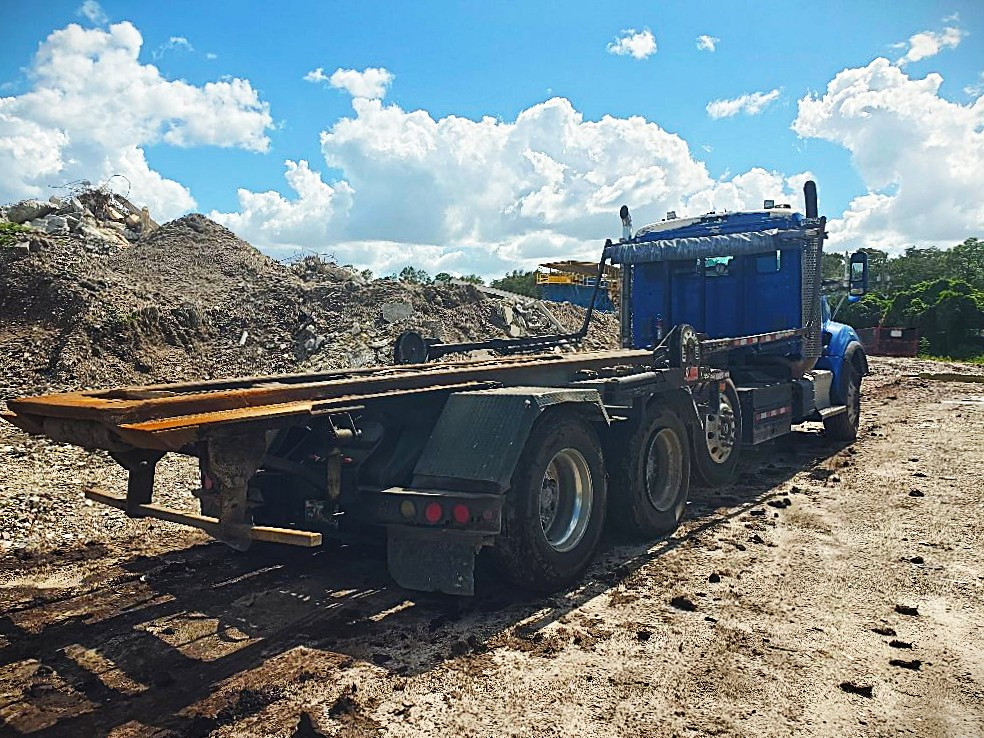
Identify whether the truck uses a cable roll-off system or a hooklift, then document the installed hoist and the container requirements. Show the loading arrangement in photographs and explain what bodies or containers are included. Do not describe the systems as interchangeable or promise container compatibility without checking the actual equipment.
This distinction helps attract the right inquiries. Someone replacing a truck in an existing container operation needs to investigate whether your setup fits what they already own.
Ironmart Online separates roll-off trucks from hooklift roll-off trucks so buyers can start with the relevant equipment type.
Our International Durastar 4300 hooklift listing and GMC 7500 hooklift listing show why a hooklift needs its own description rather than a generic truck advertisement.
For your sale, gather hook-height information, body requirements and manufacturer documentation where applicable. Show the equipment that is actually installed. If you cannot confirm a measurement or fitment detail, we identify it as a question to resolve rather than guessing.
Should I sell the truck with containers or separately?
You can offer a roll-off truck by itself or with containers, provided the sale package is clear. Identify every included container and accessory, describe their condition and distinguish included equipment from items merely visible in photographs. Discuss the package before setting the asking price or accepting an offer.
A buyer with an established container inventory may be interested in the truck alone. Another buyer may want a truck-and-container package. Neither arrangement should be assumed.
Make an inventory with photos. Note each included container's documented size, condition and relevant details. If tarp equipment, controls or spare parts come with the truck, say so. If a container in the background belongs to another operation, make clear that it is not included.
Keep the advertisement, conversations and written agreement consistent. A verbal promise about an extra container can become a problem at pickup if it never makes it into the paperwork.
You keep control of the package. We can discuss whether to market everything together or consider separate offers, but you decide what you are willing to sell.
Which photos help sell a used roll-off or hooklift truck?
Take clear photographs of both sides, front, rear, cab, dashboard, engine area, frame and accessible hoist components. Include identification plates and known damage. Give buyers an understandable walk-around, not just one attractive angle, and use safe ground-level positions rather than climbing into or beneath raised equipment.
Start with the complete truck in good daylight. Then give buyers the details they would look for if they were standing beside it.
Photograph tires, visible frame areas, accessible hydraulic connections, the loading arrangement and controls. Show rust, repairs and damage instead of avoiding them. An honest detail photograph helps move a serious conversation forward.
For a video, use a qualified operator and follow the equipment manufacturer's procedures. State whether the engine is cold or already warm. Show only demonstrations that can be performed safely. An unloaded hoist demonstration is not proof of loaded performance.
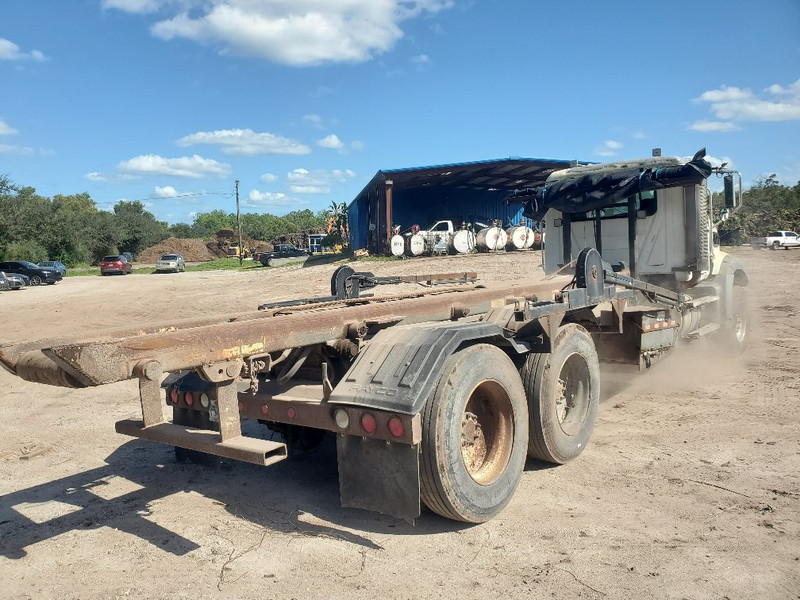
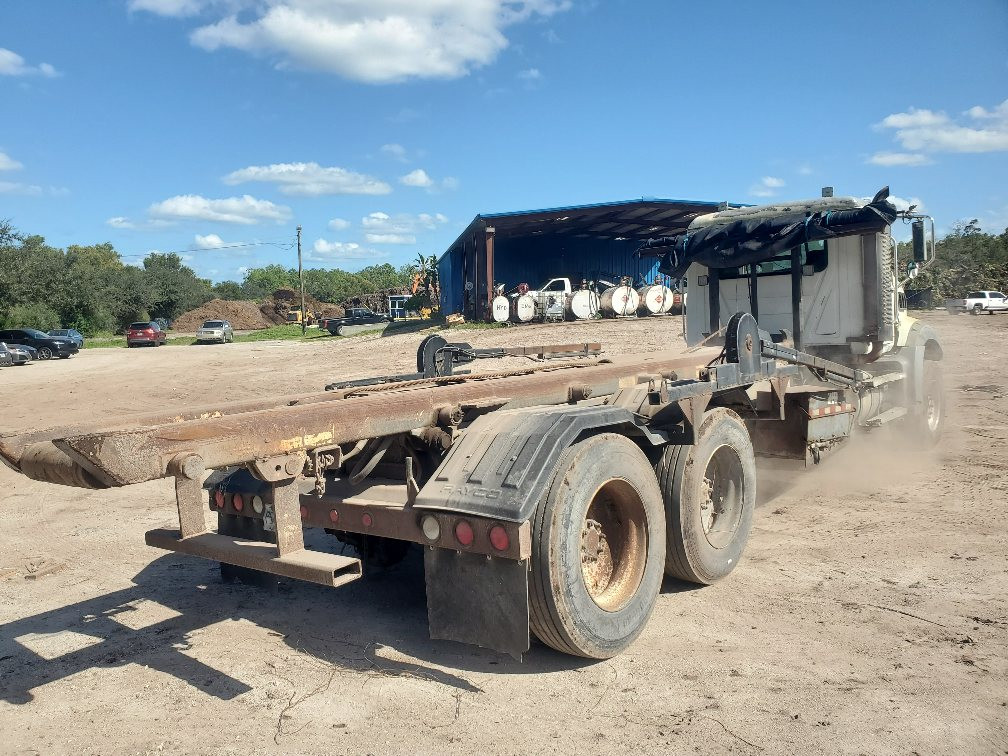
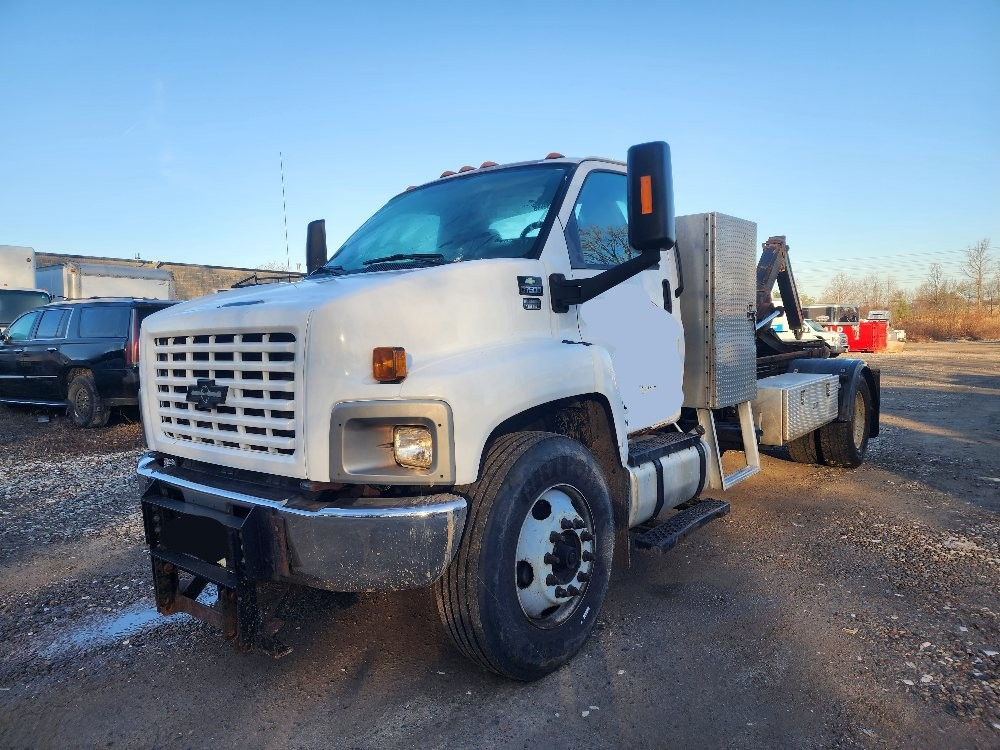
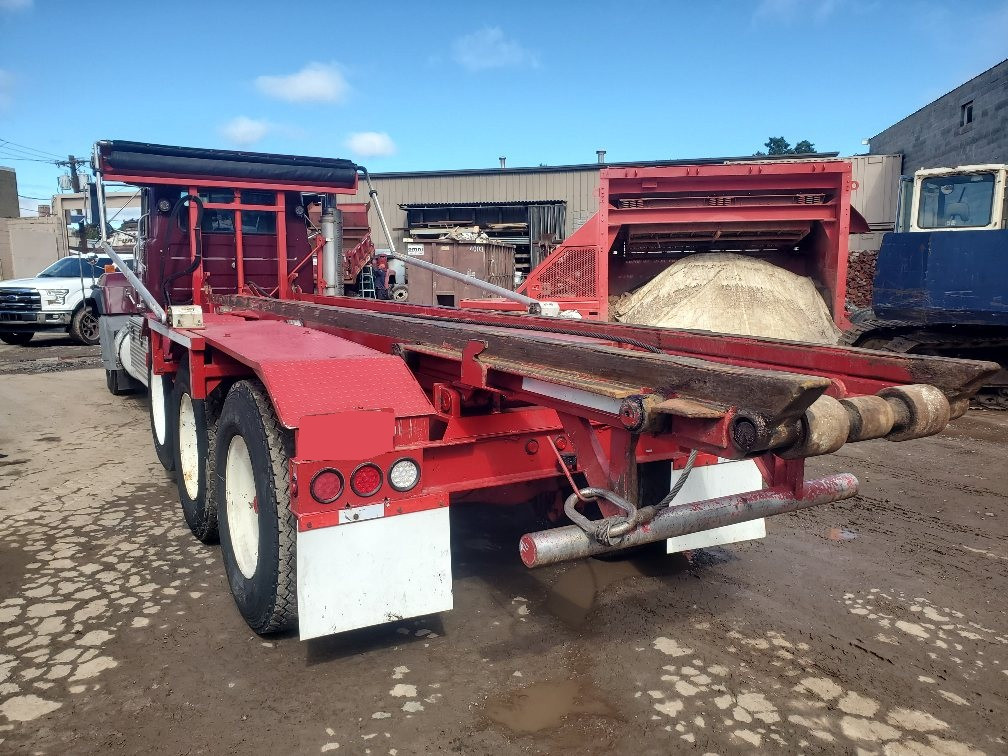
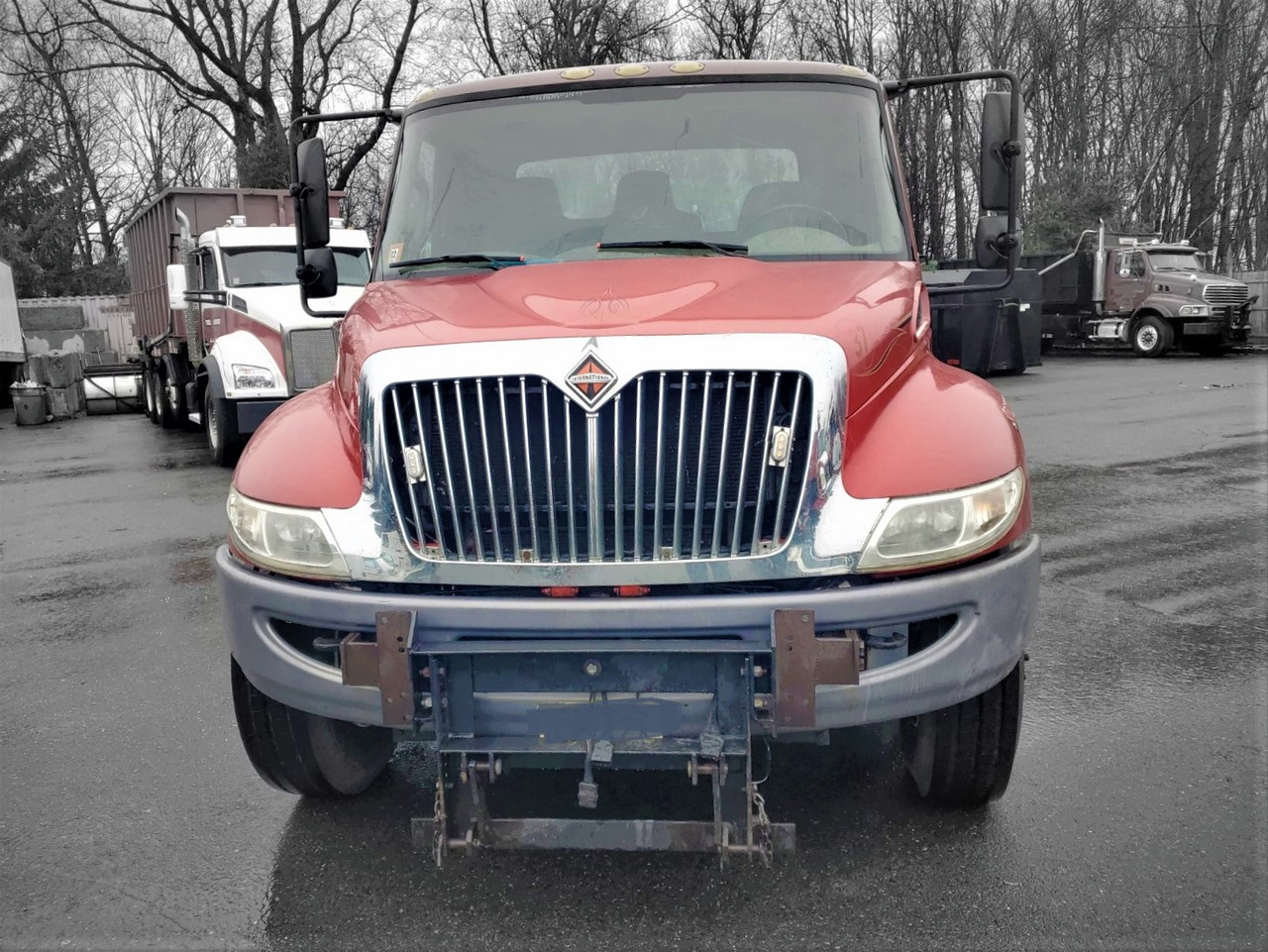
The photos in this article are real roll-offs and hooklifts listed on Ironmart Online. They illustrate different configurations and useful photo angles; contact me about a particular truck rather than assuming its availability from an article.
How should I price my used roll-off truck?
Price the complete truck and hoist package, not just the year or mileage. Compare configuration, documented condition, service history, included equipment and competing asking prices. Then discuss selling costs and your intended proceeds with the broker. An advertised price is a reference point, not proof of a completed sale.
Two trucks with similar odometer readings may offer very different packages. A different transmission, axle arrangement, loading system or repair history changes the comparison.
The Kenworth T880 tri-axle roll-off listed on Ironmart Online is not a direct substitute for every tandem-axle roll-off. Start with trucks that genuinely resemble yours, then account for the differences.
I want a price conversation built around evidence and your goals. What is documented? What needs attention? What comes with the truck? How much flexibility do you have on timing?
Review the proposed asking price, brokerage terms and expected seller proceeds together. A strong asking price is useful only when the full deal makes sense. You decide whether an offer meets your expectations.
What condition details should I disclose before a buyer visits?
Disclose known mechanical issues, leaks, warning lights, corrosion, damage, repairs and modifications before an inspection. Explain what you know and what remains unverified. Support maintenance claims with records where available, and avoid broad promises such as “needs nothing” when a specific description gives buyers a clearer picture.
“Hydraulic hose replaced; invoice available” is useful information. “Everything is perfect” tells a buyer very little and leaves too much open to interpretation.
Separate an observed symptom from a diagnosis. If a warning light is on but the cause has not been checked, describe it that way. If a frame repair was performed, gather the paperwork and show the area clearly.
Tell me whether the truck is still working and whether its condition or readings may change. A listing should reflect the truck being offered, not a snapshot that stops being accurate while the truck stays in service.
You do not have to pretend an older work truck is new. You do need to give buyers an honest basis for deciding whether it fits their operation and what they want to inspect.
Do I have to repair everything before selling?
Not necessarily. A truck can be discussed for sale in its present condition when known issues are disclosed and the terms are clear. Review repair costs, supporting documentation and likely buyer concerns before deciding what to fix. Do not assume every repair will add its full cost to the selling price.
Start by separating basic presentation from mechanical decisions. Remove your personal property, organize the records and make the truck accessible for safe photographs. Do not hide leaks or damage to create a misleading impression.
For mechanical work, get the facts before spending money. A documented diagnosis helps us describe the situation more accurately than a guess. Existing invoices can also explain work you have already paid for.
We can discuss how the truck should be presented, but a qualified mechanic should evaluate repair needs. The seller remains responsible for the accuracy of the information supplied.
If you sell in the truck's present condition, make sure the written agreement reflects the actual arrangement. A buyer's inspection and clear disclosures are more useful than vague assurances about what the truck will do after the sale.
How do I keep control, care and custody while selling?
With Ironmart Online's on-site brokerage, the truck stays at your location while it is marketed. You retain control, care and custody, review offers and approve the sale terms. Inspection access and pickup are arranged with you, and nothing leaves your yard until you have been paid.
That is the difference I want sellers to understand. Listing a truck does not mean turning over the keys, losing access to it or accepting whichever number someone else decides is good enough.
We discuss whether the truck will remain in use and how to keep the listing accurate. You decide what inspection arrangements work at your property. You approve what is included and whether a buyer's proposed timing is acceptable.
If someone asks for a concession, an extra container or a different pickup arrangement, that is a decision for you to make—not an automatic change to the deal.
Put those expectations into the brokerage agreement and sale documents. Your truck. Your yard. Your decision. The marketing should support your business, not take the sale out of your hands.
Is using a roll-off truck broker better than an auction?
An on-site broker fits sellers who have time and want to retain control over the truck, offers and release. Selling from your location avoids a separate haul to an auction yard. An auction can be faster; the better route and final proceeds depend on the truck, terms, costs and timing.
For a seller who is not in a hurry, keeping the truck on site can remove a costly and disruptive extra move. You can evaluate offers rather than working toward a fixed auction date.
Compare the full transaction. Review brokerage fees, any auction seller charges, transportation and preparation costs. Buyer premiums are paid by buyers, not automatically deducted from your seller check, but they belong in the broader discussion of a buyer's total budget.
| Selling question | On-site brokerage with Ironmart Online | Auction route |
|---|---|---|
| Where does the truck stay? | At your location while marketed | Depends on format; a yard auction may require delivery |
| Who approves the offer? | You approve the deal | Depends on reserve and auction terms |
| What determines timing? | Finding a buyer and agreeing on terms | Auction schedule and settlement terms |
| When is release allowed? | After you are paid, under agreed terms | According to the auction agreement |
For the broader service explanation, read selling heavy equipment and trucks without an auction.
What happens when a serious buyer wants to inspect?
A serious inquiry should establish the buyer's intended work, container setup, location and timing before an inspection is scheduled. Share the agreed details and records, identify questions still needing verification and arrange access with the seller. Agree in advance on permitted testing, operators and any independent inspection.
The purpose is to establish fit before either side invests more time. A buyer looking for a different loading system or container arrangement may not be right for your truck, regardless of how good it looks.
An independent inspection gives the buyer a way to investigate condition. It does not turn the broker into a mechanic or replace accurate seller disclosures.
Protect your operation during the visit. Agree on where the truck can be inspected, who can operate it and what demonstrations are appropriate. Keep people clear of loading equipment and follow the manufacturer's safety procedures.
If inspection reveals something new, address it before the deal moves forward. Any revised agreement should describe the truck and package actually being sold, with no reliance on an earlier assumption.
How do I separate serious truck buyers from mismatched inquiries?
Start with the buyer's intended work, required loading system, container arrangement and purchase timing. Then confirm that the buyer understands the truck's documented condition and what is included. A useful inquiry moves toward specific questions, an agreed inspection and clear transaction terms rather than assumptions about an unseen truck.
A buyer does not have to know every answer during the first conversation. They should be able to explain what they need the truck to do. That lets us identify obvious mismatches before you interrupt your operation for a visit.
Ask which details they need confirmed. Is their concern the transmission, the loading arrangement, the condition of the frame or whether their existing containers can be used? Direct the conversation to facts and supporting photos rather than making broad promises.
Keep a record of the information shared. If a buyer's offer depends on containers, repair work or a particular pickup date, those conditions need to be discussed with you. Interest in the truck is not approval to change the package.
For the broader paperwork and buyer-screening process, our guide to selling a commercial truck privately covers the general transaction. This roll-off guide adds the hoist, container and on-site selling details that make your truck a different proposition.
When should I release the truck and transfer the paperwork?
Release the truck only after payment has been verified and the agreed transaction requirements are satisfied. Identify the truck, included equipment, title arrangements and pickup responsibilities in writing. Coordinate any lender payoff or lien release before handoff, and do not treat an emailed receipt as independent payment confirmation.
Nothing leaves your yard until you are paid. Make that release condition part of the deal from the beginning, not a discussion that happens after a transporter arrives.
Use your financial institution's trusted contact details to verify payment. A screenshot, urgent message or forwarded payment notice is not a substitute for checking directly.
Agree on pickup timing, who is collecting the truck and what goes with it. Have the container and accessory list ready. Resolve documentation and lender requirements before making promises about when the truck can leave.
Keep copies of the signed sale documents and relevant communications. If the truck is being collected by a third party, confirm the collection arrangement through the buyer using established contact information. A planned handoff protects your time and makes the final step clearer for everyone.
What else do sellers ask about roll-off truck brokerage?
Sellers usually ask about containers, unknown hoist details, continued use, inspection, selling time and release. The answers depend on the actual truck and written agreement, but the starting point is consistent: describe the equipment accurately, keep the seller in control and arrange payment before the truck leaves the property.
Can I sell a roll-off truck without containers?
Yes. State clearly that the truck is offered without containers, and provide the hoist information buyers need to investigate compatibility with their equipment. Containers visible in photos should not be mistaken for included equipment.
Can I sell a hooklift through Ironmart Online?
Yes. Contact me with the truck and hooklift details, location and photos. We can discuss its configuration, condition and your selling goals, just as we would for a cable roll-off.
What if I do not know the hoist capacity?
Photograph the identification plate and look for manufacturer documentation. Do not infer capacity from axle count, appearance or another truck's listing. Identify the rating as unverified until supporting information is available.
Can I keep using the truck while it is listed?
Discuss continued use with me before marketing begins. Keep the condition, readings and availability for inspection current, and agree on a handoff plan. Do not promise a buyer that the truck can leave while you still need it working.
How long will it take to sell my roll-off truck?
There is no fixed selling time. Configuration, condition, asking price and buyer demand all matter. On-site brokerage is suited to sellers who can allow time to find a buyer rather than needing an immediate liquidation.
Does the truck leave before I am paid?
No. Payment before release is the condition for the on-site selling approach described here. Verify payment and satisfy the agreed documentation requirements before authorizing pickup.
Who decides whether to accept an offer?
You do. I help present the truck and work through the inquiry, but you approve the offer, included equipment and written terms. You retain control, care and custody during the selling process.
How do I get started selling my roll-off truck?
Call or email me with the year, make, model, location, mileage and clear photos of the truck and hoist. Tell me about known issues, included containers and your timing. I will review the information with you and discuss whether Ironmart Online's on-site brokerage fits your sale.
You do not need a perfect advertisement to get started. Send what you have, explain what you know and tell me what you want to accomplish. We can identify the missing details together.
I'm Jay Trevorrow at Ironmart Online, based in Flanders, New Jersey and brokering heavy equipment and trucks since 2004. If you are ready to sell a roll-off or hooklift without handing over control of the process, let's talk.
Call 973-886-3020 or email jay@ironmartonline.com.