
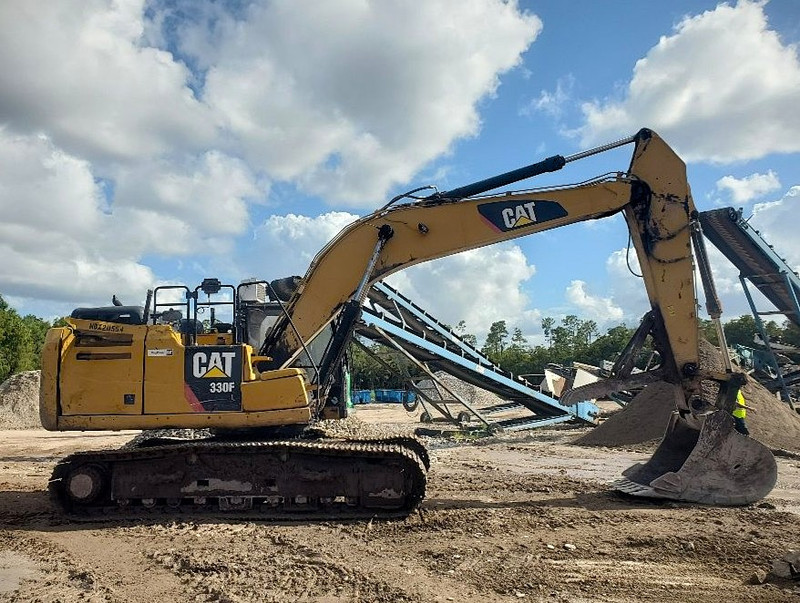
How Do I Sell My Heavy Equipment and Trucks Without an Auction?
You don’t have to send a good machine or truck down the road to an auction yard just because you’re ready to sell it.
If you have time to find a buyer, there is another way: use Ironmart Online as your on-site equipment and truck broker. Keep the equipment where it is. Review the offers. Approve the deal. Get paid before anything leaves.
Ironmart Online is a heavy equipment and truck brokerage based in Flanders, New Jersey, brokering heavy equipment and trucks since 2004. The business connects equipment owners with potential buyers rather than requiring every seller to move inventory onto a dealer’s lot.
Key takeaways: your equipment, your yard, your decision
Maintain Full Control, Care and Custody: The 3 C's. Once you lose one, you are finished.
-
Save the auction-yard haul: market the equipment from your own location.
-
Get paid before release: nothing leaves until you confirm payment under the agreed terms.
-
Focus on lower selling costs: compare brokerage costs with the full auction cost stack.
-
Keep 100% of the selling decisions: approve your price, offers and buyers before making a binding deal.
-
Use time to your advantage: prioritize the right transaction rather than a deadline-driven sale.
How can I sell heavy equipment and trucks without using an auction?
Use an on-site equipment and truck broker such as Ironmart Online. Your assets stay at your location while they are marketed to potential buyers. You set the asking price, review offers and approve the transaction. The equipment is released only after payment is confirmed under your written sale terms.
That is the straightforward answer for an owner who isn’t in a hurry.
Maybe you have an excavator you no longer need, several dump trucks after a fleet change, or a roll-off truck that no longer fits your work. You want to sell, but you don’t want the cost and disruption of moving everything before a buyer is found.
On-site brokerage puts the selling process around your equipment instead of moving your equipment around the selling process. You bring the asset and the facts. The broker helps present the opportunity and connect it with buyers. You decide whether the proposed deal works.
What is on-site equipment and truck brokerage?
On-site brokerage means a broker markets your equipment or truck while it remains at your property or another agreed location. The broker works as a selling intermediary, not an auctioneer setting a sale date. You retain possession while the listing, buyer inquiries, inspections and negotiations move toward an approved sale.
“On-site” describes where the equipment stays. It does not mean a buyer can arrive unannounced or operate a machine without permission. Visits, demonstrations and inspections should be arranged with you.
It also means selling help without giving away your decision-making authority. Before listing, discuss what Ironmart Online will handle, what information you will supply, how offers will reach you and how the selling fee works.
Think of the difference between moving an asset and moving the sale forward. Your machine does not need a different parking space for someone to evaluate its specifications, review photographs or ask for maintenance records. The first job is to make the opportunity understandable. Then an interested buyer can decide whether an appointment at the equipment’s actual location makes sense.
For an owner managing daily jobs, this can be a practical middle ground between doing everything alone and handing the outcome to an auction event. Selling on your own often takes weeks or months, which can feel overwhelming without help. You stay involved where your judgment matters most: the equipment’s condition, the acceptable terms and the decision to sell.
How does selling from my site save transportation costs?
Selling from your site removes the need to haul equipment to an auction yard before a buyer is found. That can eliminate an extra transport leg, along with the associated scheduling and handling. The eventual buyer pickup or delivery is negotiated as part of the sale instead of an upfront auction-yard move.
Think about what goes into moving a lowboy load, several work trucks or a mixed group of machines. There is the carrier, the schedule, access to the equipment and the people needed for loading. Depending on the load and route, permits or special arrangements may also be necessary.
Avoiding an unnecessary move is a real saving, not a better-looking headline price.
Keep the distinction clear: selling on site does not make the buyer’s eventual transport free. It lets you negotiate that move after you have a deal instead of paying to position the asset at an auction yard first.
For several assets, review the transportation question item by item. A running truck and a non-running machine have different loading requirements. Knowing that before negotiations helps you explain the sale properly and avoid agreeing to loading work you cannot provide. You are planning the necessary final move, not paying for a preliminary move simply to enter a selling process.
Some auction formats also sell from the owner’s location. Here, the transportation advantage is specifically against hauling equipment away for a yard-based auction.

Paving equipment belongs in the conversation too: LeeBoy 8510E asphalt paver.
When does the equipment leave my property?
Nothing should leave until you have confirmed payment under the agreed sale terms. Make that release condition part of the written transaction from the beginning. Keep control of the equipment, keys and pickup authorization, and verify the payment directly through your financial institution before allowing a carrier or buyer to remove it.
That is one of the strongest reasons to keep the sale on your property: possession and release stay under your control.
A scheduled truck is not proof of payment. Neither is a screenshot, forwarded email or document that looks like a bank confirmation. Use trusted contact information to check the transaction with your bank.
Once payment and the required paperwork are resolved, approve pickup and agree on the loading arrangements. Record what is being released, including attachments, containers, spare parts and any other included items, complete the proper documentation, and use a bill of sale to document the transfer and help protect against post-sale liability.
The operating rule is simple: paid first, released second. Agree on how any lender payoff or title release fits that sequence before accepting the offer.
How can brokerage reduce equipment sales fees and improve my net?
Brokerage can improve your net by replacing an auction’s combination of selling costs with a negotiated brokerage arrangement and avoiding the auction-yard haul. Compare what you keep after every applicable expense. Lower fees matter, but so do the agreed selling price, transportation responsibilities and the terms attached to the offer.
Don’t stop at “What commission do you charge?” Ask, “What will I actually receive?” Some dealers may offer a trade-in as part of a direct sale, but that convenience can reduce your net when the trade value is applied against a replacement purchase price.
An auction proposal may include seller commissions, preparation, advertising or other charges. A buyer premium, where charged, is paid by the buyer rather than deducted as your seller commission. However, it adds to the buyer’s total acquisition cost and can influence what that buyer is willing to bid.
Ask Jay for the brokerage arrangement for your equipment, then compare it with the complete auction proposal. Put both cost structures on the same page. Include the cost of getting the equipment to the sale location.
The useful calculation is:
Seller net proceeds = agreed selling price − seller-paid selling expenses − seller-paid transport and preparation.
Loan payoff, if applicable, then determines how much of those proceeds remains available to you.
For more detail on cost categories, read selling heavy machinery without hidden fees. The goal is lower selling costs and more money retained—not simply a different label on the fee.
Make a simple worksheet for each item. Put the proposed selling price at the top, list every seller-paid deduction underneath, and leave the resulting net clearly visible. Ask what services each charge covers and when it becomes payable. This gives you a useful comparison even when two selling proposals describe their fees differently. You can negotiate from the bottom line instead of being distracted by one attractive headline.
Do I keep 100% control over my equipment sale?
Yes: keeping 100% of the selling decisions means you approve the asking price, decide which offers to accept and choose whether to enter a deal with a proposed buyer. Set those approval rights in your brokerage agreement. Once you accept binding sale terms, your obligations follow that agreement.
You are not authorizing an automatic price reduction just because the listing has been live for a certain period. You are not required to like an offer merely because someone made it.
You can consider price alongside payment, pickup timing, inspection requests and the equipment included. A stronger offer is the one that works for the whole transaction.
That control also matters when selling several items. You may accept an individual truck offer while continuing to market an excavator, or consider a package proposal without committing every machine to the same buyer.
For a multi-item sale, keep an agreed list of what is available, what is under discussion and what has sold. Specify whether an attachment belongs with a particular machine or is offered separately. This prevents a photograph of your yard from becoming an assumption that everything in the picture comes with the deal. You approve the actual package, not someone else’s interpretation of it.
Your broker brings opportunities. You make the selling decision. Agree in writing on fees, exclusivity, withdrawal terms and any other responsibilities so that control is clear.
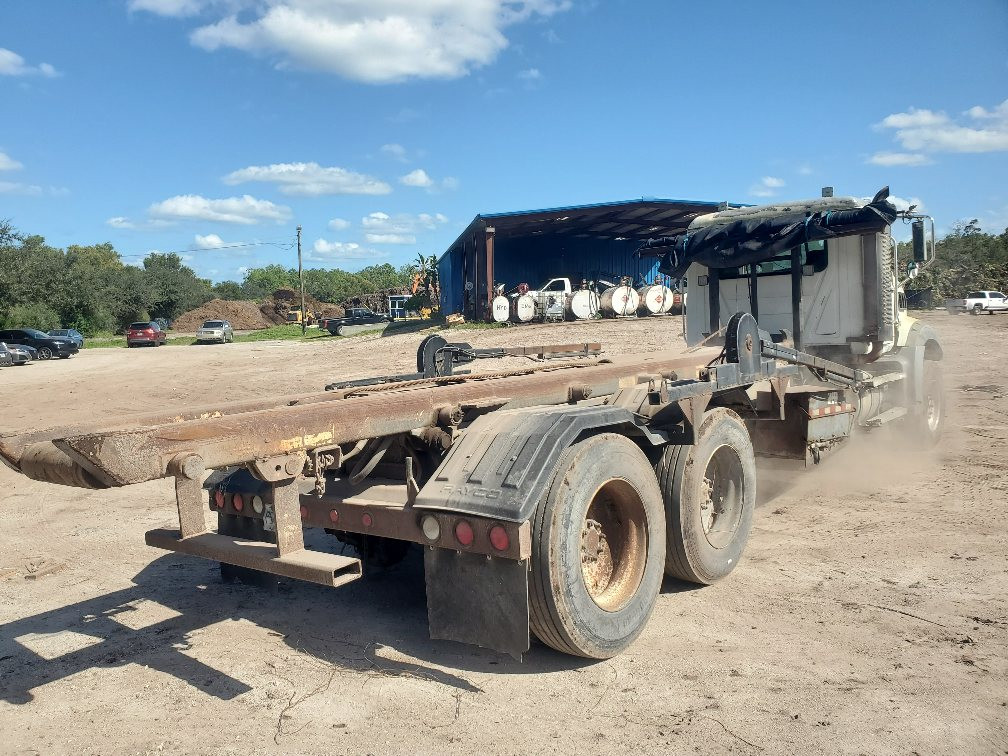
Your truck, your selling decision: Mack Granite CPT713 roll-off.
How does an auction compare with an on-site broker?
An auction concentrates bidding around a scheduled event, while an on-site broker seeks an acceptable negotiated offer with the equipment at your location. The central choice is deadline versus discretion. Compare transportation, fees, payment procedures and approval rights, not just the advertised reach or the headline selling price, because the right platform matters and different platforms can bring different reach, fees, and buyer quality.
|
Decision point |
Auction |
Ironmart Online on-site brokerage |
|---|---|---|
|
Equipment location |
Auction yard or seller location, depending on format |
Stays at your agreed location while marketed |
|
Timing |
Scheduled bidding event |
Negotiated sale without a fixed auction date |
|
Transport before sale |
Yard-based auctions can require an upfront move |
No auction-yard haul required |
|
Price approval |
Depends on reserve and auction terms |
You approve the negotiated selling price |
|
Selling costs |
Seller charges; buyer premiums may also apply |
Brokerage terms agreed before listing |
|
Release and payment |
Governed by auction settlement and release terms |
Document payment confirmation before your pickup authorization |
|
Individual items |
Sale format and lot terms govern |
Consider offers item by item or as an agreed package |
Brokerage can also support a broader audience by marketing equipment across multiple online platforms instead of relying on one event or one channel.
Auctions are often faster; brokerage can take longer but may leave you with more net proceeds, and actual results vary.
A no-reserve auction means you are not protecting the asset with a minimum reserve price. Understand that commitment before choosing it. A negotiated brokerage sale lets you decide whether the offer meets your requirements.
For a machine-specific discussion, see selling dozers privately versus auction.
Why does having time to sell work in my favor?
Time gives you room to present the equipment properly, answer questions and consider offers without an auction-date deadline driving the decision. On-site brokerage suits owners who can wait for an acceptable deal. It lets the selling strategy focus on fit and net proceeds rather than immediate disposal.
Patience does not mean parking the machine and forgetting about it. It means using the time deliberately.
Good photographs, clear specifications and organized service records make the listing easier to evaluate. Use clear photos and high quality photos that show condition accurately, and provide high-resolution media to support buyer confidence. Prompt answers help an interested buyer decide whether to inspect. A realistic price keeps the discussion grounded.
Plan on at least 15-20 photos per machine.
You can also review the response with your broker. Are buyers asking about a missing specification? Is a component’s condition unclear? Does the asking price need another look?
Keep ownership costs in the calculation. Storage, insurance, maintenance and any outstanding financing continue while you hold the asset. Set a review point so that waiting remains a decision, not a habit.
The right buyer may need a particular axle arrangement, machine size or attachment combination. Help that buyer recognize the fit quickly. Cleaning the machine before photos can suggest it was maintained mechanically, and exact model details, measurements and records work better than vague descriptions. When the listing answers the important questions, it supports successful sales, and the next conversation can focus on whether the equipment meets the buyer’s work rather than rebuilding the description from scratch.
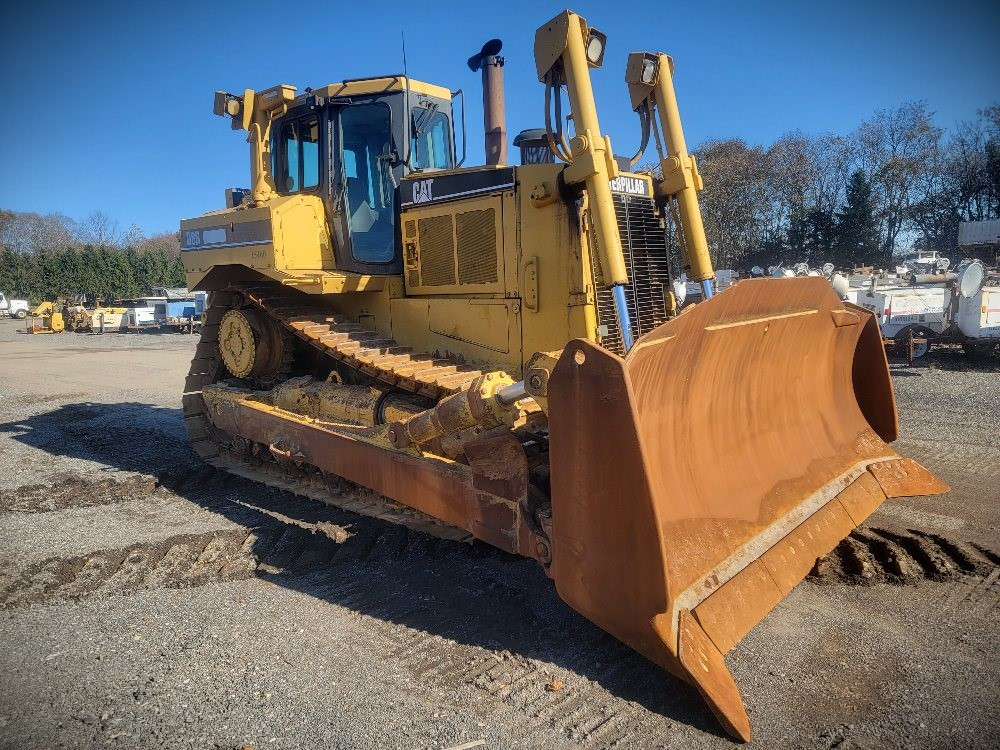
Give buyers a clear view of the machine: Caterpillar D8R dozer.
What kinds of equipment and trucks can I discuss with Ironmart Online?
Discuss the equipment and trucks you own, including used heavy equipment and construction equipment, dump trucks, roll-off trucks, hooklifts, forestry trucks and trailers. Ironmart Online’s website covers these categories. Start with the actual configuration, condition and location of each asset so the brokerage conversation concerns your equipment rather than a generic model description.
On the truck side, review the dump truck, roll-off and hooklift categories for the kinds of configurations represented.
A truck’s body and installed equipment matter as much as the chassis badge. Identify the hoist on a roll-off, the loader on a log truck, or the body and hydraulic setup on a dump truck.
For machinery, include the attachments that come with the sale. A buyer needs to know whether the bucket, forks, blade, coupler or other pictured equipment is actually included.
If you have a mixed group, prepare an itemized list. That can include trucks, used machinery, or farm equipment, and you do not have to turn different assets into one undifferentiated fleet lot to start a selling conversation.

Tree-service trucks are part of the mix: International 4300 forestry bucket truck.
How does selling through Ironmart Online work step by step?
Start by sharing your equipment details, location and selling goals with Jay Trevorrow. Agree on the brokerage terms, prepare accurate listings and establish how inquiries and inspections will be handled. Review offers, approve the written deal, confirm payment and authorize pickup only when the release conditions have been satisfied.
1. Explain what you have and what you want
Tell Jay whether this is one surplus truck, several machines or a larger reduction. Explain your timing and whether the equipment is available for inspection now. Be direct about known problems.
2. Agree on the business arrangement
Discuss the asking price, brokerage compensation, and the scope of online selling, including direct listings across multiple platforms and your approval rights. Some brokers list equipment across nine platforms simultaneously to expand exposure. Clarify who handles questions, how appointments are arranged and what happens if an interested buyer contacts you directly.
3. Build the listing around verified information
Use current clear photos and the actual machine’s records so the listing supports the equipment’s condition with images and documentation. Distinguish measured readings from estimates. Make the included equipment and accessories explicit so buyers understand the package. Complete records, including maintenance history for used construction equipment, help show that transparency builds trust. Specialized online marketplaces and equipment sales listings tend to attract fleet managers and other serious buyers looking for detailed specifications.
4. Evaluate the offer, not just the number
Consider price, payment, inspection requests, pickup timing and any conditions together. If a buyer requests a change, decide whether it works before accepting it.
Keep the terms attached to each offer. An offer subject to financing, another subject to inspection and a proposal for several assets are not identical simply because their prices look similar. Confirm what the buyer is offering, what still needs to happen, what the logistics are for pickup and transport, who is responsible for moving the equipment, when possession changes hands and when the parties expect to close. That keeps your approval tied to a complete deal.
5. Close the transaction deliberately
Document the agreed asset, parties, price, responsibilities, and the paperwork needed for the closing file. If you also market through channels aimed at local buyers, Facebook Marketplace and Craigslist are free but often attract casual buyers, so screen inquiries carefully. Complete the payment and release checks, then arrange pickup. This is where a clear process matters more than a hurried handshake.
How do I set a price without giving my equipment away?
Set an asking price using comparable equipment, actual condition, specifications and available market evidence, then discuss it with your broker. Base that number on market value supported by recent sales of comparable equipment, not just active listings. Separate the advertised asking price from your acceptable net. An ambitious number without supporting details can stall inquiries; a realistic, well-supported price gives buyers a reason to engage.
Compare like with like. Two excavators can differ in hours, undercarriage condition and attachments. Two dump trucks can differ in axle arrangement, body construction, drivetrain and frame condition. Low hour machines often command a premium, while age and use affect value over time. Those differences affect the usefulness of a comparison.
Current advertisements show what owners are asking, not necessarily what buyers paid. When reliable completed-sale information is available, use it with the relevant condition and fee details. Heavy machinery commonly depreciates about 10–20% per year, though rates can shift with market conditions and 2026 regulations.
Decide what matters beyond price. Is there a preferred pickup window? Are you selling containers separately? Would you consider a package offer?
Knowing your priorities helps you negotiate from a position you understand. You don’t have to accept the first offer, but each serious conversation should help you assess where the market sees your equipment.
Be ready to explain the value you are asking someone to recognize. Because asking price is one of the biggest factors in how quickly equipment sells, use comparable sales, local inventory levels and condition details to support it, and remember that auction fees can change your final price. A documented major repair, a useful included attachment or a clearly described configuration is more persuasive than repeating that the machine is worth more. Equally, acknowledge work a buyer will need to do. A supported asking price and an honest condition report belong together.
What should I prepare before calling an equipment broker?
Prepare a short item list, clear, high quality photos, current readings and any ownership or service documents you already have. Include the location, known issues, attachments and your preferred timing. You do not need a polished advertisement before contacting Ironmart Online; accurate starting information is more useful than elaborate sales language.
For each item, gather:
-
Year, manufacturer, model and identifying information.
-
Mileage, hours and whether the readings are verified.
-
Engine, transmission, axle or other important configuration details.
-
Installed body, hoist, loader or major attachment information.
-
The equipment’s overall condition, known faults and recent repairs.
-
Current photographs, including the areas buyers are likely to question, such as the cab interior.
-
Ownership, title, proof of ownership and other proper documentation relevant to completing a sale and helping sell used equipment.
-
Included accessories and any items shown that are excluded.
-
Location, access restrictions and inspection availability.
-
Your asking price, if established, and selling priorities.
Keep sensitive documents private until there is a legitimate reason to share them.
If the equipment is still working, say so and keep its condition and readings current. Do not promise that it will remain available for use after an offer is accepted; put the agreed condition and availability terms in writing.
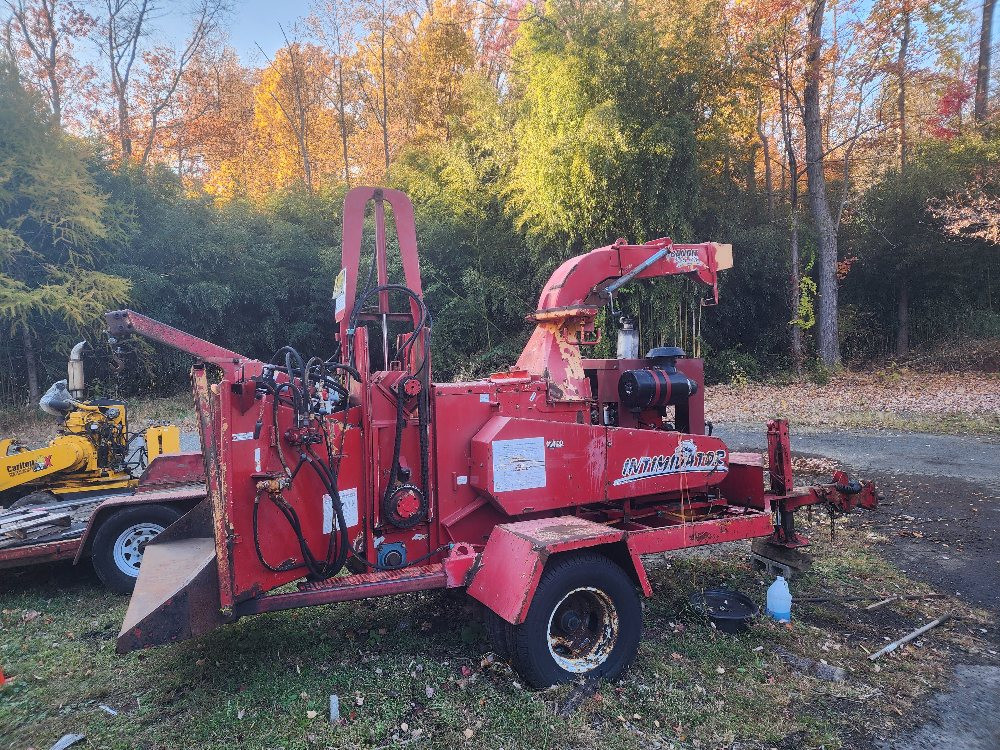
Describe the complete setup: Bandit Intimidator 1890 wood chipper.
What else do sellers ask about selling without an auction?
Sellers commonly ask about timing, payment, transportation, fees and whether individual items can be sold separately. The answers should be reflected in the listing and written agreement, not left to assumptions. These questions help you decide whether on-site brokerage matches your priorities before you commit equipment to a selling arrangement.
Can I sell one truck instead of an entire fleet?
Yes. Start with the individual truck you want to discuss. If you have several assets, identify each separately and tell Jay whether you would consider individual offers, a package offer or both. You retain the decision over which proposed transactions to accept.
Do I have to move my equipment to Ironmart Online?
The on-site approach described here keeps the equipment at your location or another agreed site while it is marketed. That avoids moving it to an auction yard first. Inspection access, demonstrations and eventual pickup should all be arranged in advance with you.
Is auction-free selling automatically the cheapest choice?
Not automatically. Compare the full written auction proposal with the brokerage arrangement for your equipment, and with marketplace options that may charge listing fees as a flat rate or a percentage of the sale price. Include seller-paid fees, transport and preparation, then compare expected net proceeds. Buyer premiums belong in the buyer’s cost calculation rather than being counted again as a seller deduction.
Can I refuse an offer that is too low?
Yes, before agreeing to a binding deal, you decide whether an offer is acceptable. Discuss your price expectations and approval rights when setting up the brokerage arrangement. If you accept a written offer, understand the commitments you are making rather than assuming you can reverse it later.
Can the buyer pick up before payment is confirmed?
Make payment confirmation a condition of release. Do not authorize pickup because a carrier has arrived or the buyer has sent a payment screenshot. Verify the funds directly through your financial institution and complete the agreed paperwork before releasing the equipment.
Can I sell equipment that needs repairs?
Discuss it with Jay and describe the condition accurately. Supply available diagnoses, repair estimates or service records, and distinguish known defects from unverified assumptions. A buyer needs a clear understanding of what is being offered, whether the asset is operating or requires work.
Who arranges transportation after the sale?
That responsibility should be agreed as part of the transaction. Identify who books the carrier, who pays, when pickup can occur and what loading arrangements are available. Selling on site avoids the preliminary auction-yard move; it does not remove the need to plan the buyer’s collection.
How do I get started with Ironmart Online?
Call Jay Trevorrow at 973-886-3020 or email jay@ironmartonline.com with your equipment list, location, photographs and selling goals to discuss selling equipment through a direct on-site brokerage sale instead of an auction. Discuss the terms, establish your approval rights and agree that payment confirmation comes before equipment release.
Before you call, you can review online marketplaces and recent comparable sales to estimate value, including large marketplaces such as Ritchie Bros.
You can also review Why Ironmart? and the Sell Your Equipment With Us section. If a buyer needs to explore funding, ask about financing.
Not in a hurry? Don’t give up your control just to put a sale date on the calendar.
Keep your equipment on site. Save the unnecessary haul. Know your selling costs. Choose the offer that works for you.
Call 973-886-3020 or email jay@ironmartonline.com. Your equipment. Your yard. Your decision.