
Used Heavy Equipment: How to Buy and Sell With Confidence
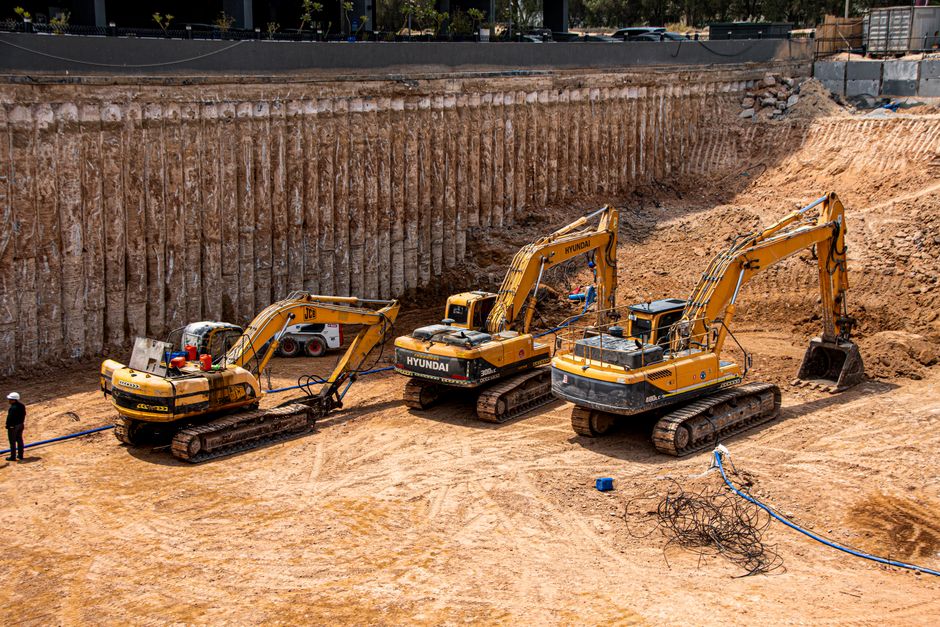
The market for used heavy equipment gives contractors, construction firms, forestry companies, and independent operators a practical way to grow their fleet. Instead of paying new-machine prices, buyers can choose from a wide inventory of excavators, wheel loaders, dozers, motor graders, and many other machine types. At the same time, sellers can reach a large audience of serious buyers through online marketplaces, auctions, and dealer networks. The key is understanding how the used equipment market works, where to search, and what to check before you commit. This guide covers the buying process, the selling process, financing, and the equipment categories that show up most often in the used market.
What Is Used Heavy Equipment?
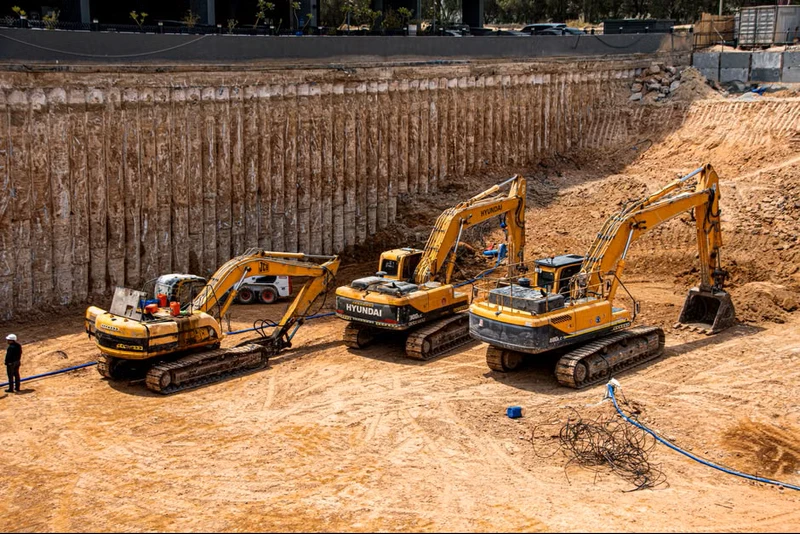
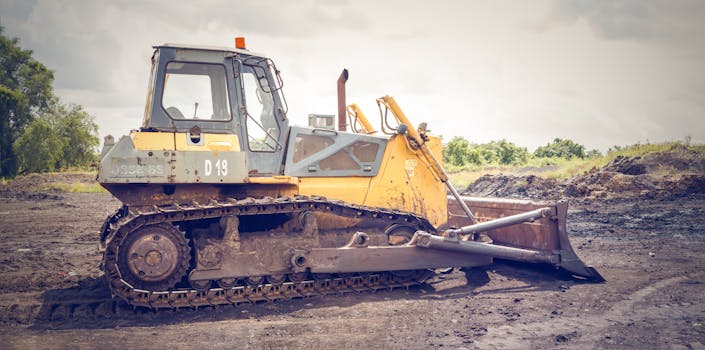
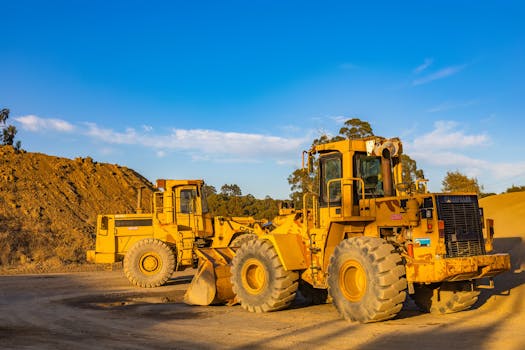
Used heavy equipment includes previously owned machinery used in construction, forestry, aggregate, paving, and utility work. The category covers everything from compact machines to large earthmoving equipment. Common types include excavators, wheel loaders, dozers, motor graders, backhoes, forklifts, dump trucks, trailers, crushers, screeners, pavers, rollers, and trenchers. Forestry operations also rely on chippers, feller bunchers, log skidders, and tub grinders. Because the category is so broad, buyers can usually find a machine that fits both the task and the budget.
This equipment changes hands through several channels. Some buyers purchase directly from dealers. Others use online marketplaces, participate in online or on-site auctions, or make an offer through a buy-now listing. Because used equipment is priced below comparable new models, it appeals to a broad range of buyers, from small landscaping businesses to large aggregate and mining operators. The variety of channels means sellers have options too, whether they want a quick sale or the highest possible price.
| Industry | Common Used Heavy Equipment |
|---|---|
| Construction | Excavators, wheel loaders, dozers, motor graders, backhoes |
| Forestry | Chippers, feller bunchers, log skidders, tub grinders |
| Aggregate and Mining | Crushers, screeners, dump trucks |
| Paving | Pavers, rollers |
| Material Handling and Utility | Forklifts, trailers, trenchers |
Why Buy Used Heavy Equipment
The biggest reason buyers look at used heavy equipment is cost. Used machines are affordable alternatives to new equipment, which allows contractors to stretch their budgets further or take on larger projects. A well-maintained used excavator or wheel loader can deliver years of service when you select it carefully. The savings can then be directed toward attachments, transportation, or other parts of the business.
Buying used also opens the door to more brands and models. Instead of being limited to whatever is available as new stock, you can compare machines from Caterpillar, Komatsu, John Deere, Volvo, Bobcat, and other major manufacturers. This flexibility helps buyers match the machine to the job rather than forcing the job to fit an oversized or undersized piece of equipment.
Another advantage is availability. Used equipment inventory is spread across the country and listed through multiple platforms, so buyers can compare condition, hours, and location before deciding. Many online listings come with detailed inspection reports that give you confidence before you bid or buy. For businesses that cannot justify the cost of new equipment, the used market fills an important gap.
Where to Find Used Heavy Equipment for Sale
The right place to buy used heavy equipment depends on the type of machine you need, your budget, and how quickly you want to close the deal. Each buying channel offers different benefits, and many buyers use more than one before making a final decision. Industry publications also track this market with articles, news, product updates, blogs, and videos, which can help buyers keep up with current trends and available inventory.
Online Marketplaces
Online marketplaces are the most common place to buy used heavy equipment today. They bring together sellers, dealers, and individual owners in one searchable space. Popular marketplaces support different transaction styles. Some let you bid online, some let you buy now, and others let you make an offer. Many also publish detailed inspection reports so you can review a machine's condition before you commit.
Several large platforms dominate the used equipment space. IronPlanet lets buyers browse thousands of affordable alternatives to new equipment, with options to bid online, buy now, or make an offer, supported by inspection reports and the IronClad assurance program. Equipment Trader lets users sell, search, rent, or shop online for a wide variety of new and used heavy equipment, including tractors, excavators, skid steers, and forklifts.
Rock and Dirt covers cranes, trucks, attachments, trailers, and dismantled parts, while MachineFinder helps visitors locate used construction equipment across the country, including inventory of used excavators. EquipmentShare features nationwide listings of excavators, skid steers, and lifts from brands like Genie, JLG, and Skyjack. eBay also carries heavy equipment, including tractors, trailers, forklifts, and cranes, with new and used 2WD, 4WD, and MFWD models from brands such as John Deere, Ford, and Kubota.
Ironmartonline serves as a web-based marketplace that connects buyers and sellers of used heavy equipment, trucks, and machinery. The marketplace offers a wide inventory of construction, forestry, aggregate, paving, and utility equipment, with brand-specific listings that notably include used Caterpillar equipment. Sellers can list across nine platforms to reach millions of potential buyers, and financing options are available for buyers.
Auctions and Government Surplus
Auctions are another major channel for used heavy equipment. Some auctions take place entirely online, while others are held on-site. Online auctions allow bidders from different regions to compete for the same machine, which can lead to competitive pricing. Government surplus auctions are especially popular because they provide access to equipment used by public agencies.
GovDeals, for example, lets users find and bid on heavy equipment like dozers, excavators, loaders, and cranes from Caterpillar, Komatsu, and John Deere. The platform includes featured categories such as articulated dump trucks, backhoes, and compact track loaders. Auction buyers should review the listing details, inspection reports, and auction terms before placing a bid.
Dealers, Classifieds, and Community Listings
Dealers remain an important source of used heavy equipment, especially for buyers who want to inspect a machine in person or establish a relationship for parts and service. Marketplaces like MachineFinder allow visitors to locate used construction equipment across the country through dealer networks. Equipment Trader also provides a dealer directory for those who prefer to work directly with a seller.
Community channels also play a role. Social media groups bring buyers and sellers together to discuss used construction and heavy equipment, share listings, and ask questions directly. These groups are useful for finding niche machines, getting pricing opinions, and connecting with equipment owners outside traditional dealership channels. Some platforms also support rentals, which is worth considering if you need equipment for a short project rather than a long-term purchase.
Popular Brands in the Used Heavy Equipment Market
Certain manufacturers appear again and again in the used heavy equipment market because of their reputation for durability, performance, and resale value. Caterpillar, Komatsu, and John Deere are among the most widely listed brands for dozers, excavators, loaders, and cranes. Volvo and Bobcat also have a strong presence in construction equipment listings.
The lift and material handling segment has its own set of reliable brands. EquipmentShare listings highlight brands like Genie, JLG, and Skyjack for lifts and aerial equipment. In the tractor and attachment space, Ford and Kubota are common names, particularly for 2WD, 4WD, and MFWD models.
For buyers, brand selection matters because parts availability, service support, and operator familiarity all factor into the total cost of ownership. For sellers, listing a recognizable brand often attracts more attention, especially when the machine is described accurately with its brand, model, hours, condition, and location.
How to Evaluate Used Heavy Equipment Before You Buy
Evaluating a used machine carefully is the difference between a smart purchase and a costly mistake. Start by reviewing the listing details, including the machine's hours, condition notes, and any inspection report provided by the marketplace. Detailed inspection reports are common on major platforms and give you a structured look at the equipment's condition.
Next, consider the machine's past use and maintenance history. Equipment that has been properly serviced and repaired is worth more than a similar machine with unknown history. Ask the seller about service records, previous owners, and any known issues. If the listing does not include enough detail, request more information before you bid or make an offer.
Location is another factor. A machine located far from your job site will add transportation costs to your total purchase price. Use filters to find equipment in your region, and factor freight into your budget. Finally, match the machine to your intended work. A compact track loader may not be the right choice for a large earthmoving contract, just as a large dozer may be too much machine for a landscaping project.
If you buy through an auction, understand the auction format before you participate. Some platforms support bid online, buy now, or make an offer transactions. Each format has different rules, so read them carefully. Government surplus auctions, for example, may have specific terms for pickup and removal.
Do not hesitate to ask questions. Sellers who are confident in their equipment usually respond quickly with additional photos, service records, or a walkaround video. If a seller cannot or will not provide basic details, that may be a warning sign. Arrange an inspection whenever possible, and if you cannot visit the machine in person, rely on inspection reports and the reputation of the marketplace.
Financing Used Heavy Equipment
Financing options are available for used heavy equipment, which makes it easier for contractors and fleet owners to acquire machines without tying up all their cash. Some marketplaces offer financing directly to buyers, and many dealers provide financing programs through their own lending partners. MachineFinder, for example, links to John Deere Financing as part of its buyer support options.
When comparing financing, look at the total cost rather than just the monthly payment. Interest rates, loan terms, down payment requirements, and the age and condition of the machine can all affect the deal. Since used equipment typically costs less than new equipment, the financed amount is often lower, which can be appealing for businesses that want to scale up without taking on heavy debt.
Buyers should also consider the resale value of the equipment. A well-known brand with a strong parts network tends to hold value better over time. That matters if you plan to trade in the machine later or sell it when your needs change.
Selling Used Heavy Equipment
Selling used heavy equipment effectively requires reaching the right audience. The used equipment market attracts contractors, construction firms, forestry and logging companies, landscaping businesses, aggregate and mining operators, and equipment fleet owners. Each of these buyers is searching for specific machine types, and the more places your listing appears, the better your chances of finding a serious buyer.
Marketplaces like Ironmartonline help sellers by listing equipment across nine web-based platforms to reach millions of potential buyers. This broad reach is especially valuable for equipment dealers, owner-operators, and businesses that want to move machines quickly. Selling through such a marketplace typically involves no contracts and no hidden fees, which appeals to sellers who want a straightforward transaction.
When you create a listing, provide accurate and complete information. Include the brand, model, hours, condition, price, and location. Use descriptive phrases that help buyers understand the state of the machine, such as "Ready to Work," "Owner Operator," or "Super Clean." Clear, keyword-rich titles help your equipment show up in searches, and quality detail makes your machine stand out in a crowded market.
Consider the format that works best for you. Some sellers prefer a buy now price, while others accept offers or sell through online auctions. Government agencies often use auction platforms to sell surplus equipment, and private sellers can do the same. Choose the approach that matches your timeline and pricing goals.
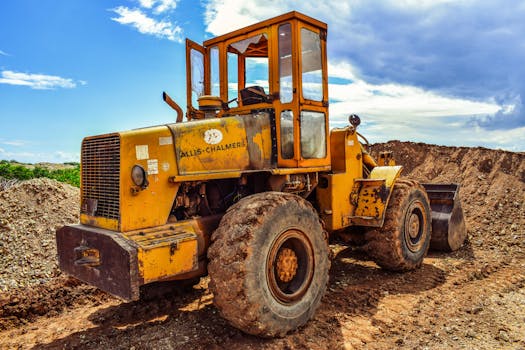
Used Heavy Equipment by Industry
Different industries need different machines, and the used market reflects that variety. Buyers can narrow their search by equipment type, brand, price, hours, and location, which makes it easier to find a machine suited to a specific line of work.
Construction
Construction is the largest market for used heavy equipment. Excavators, wheel loaders, dozers, motor graders, and backhoes are essential for earthmoving, site preparation, road building, and material handling. Auction platforms regularly feature these categories, and major brands like Caterpillar, Komatsu, and John Deere dominate the listings. Contractors can build a complete fleet of used machines at a fraction of the cost of new equipment.
Forestry and Landscaping
Forestry and landscaping businesses rely on specialized equipment that is also available in the used market. Forestry chippers, feller bunchers, log skidders, and tub grinders help logging companies process timber and manage debris. Landscaping businesses often prefer smaller machines, including compact track loaders and skid steers, which are listed across platforms like GovDeals and EquipmentShare.
Aggregate, Mining, and Paving
Aggregate and mining operators depend on heavy-duty equipment such as crushers, screeners, and dump trucks. These machines handle demanding conditions, so condition and maintenance history are critical factors in a used purchase. Paving contractors look for pavers and rollers to handle road and parking lot projects. Used equipment lets these businesses add capacity without the long wait and high cost of new machinery.
Material Handling and Utility
Material handling and utility work call for forklifts, trailers, trenchers, and telehandlers. These machines keep supply chains moving and support infrastructure projects such as pipe installation and utility line construction. Marketplaces like Equipment Trader list a wide range of these categories, including forklifts, utility trailers, dump trailers, skid steers, telehandlers, and scissor lifts.
Frequently Asked Questions
Is it safe to buy used heavy equipment online?
Online marketplaces reduce risk by offering detailed inspection reports and assurance programs, such as IronClad, so buyers can bid with confidence. You can choose from bid online, buy now, or make an offer formats depending on your preferences. Still, buyers should review each listing carefully, confirm hours and condition, and ask the seller for extra information when needed.
What types of equipment are considered heavy equipment?
Heavy equipment includes excavators, wheel loaders, dozers, motor graders, backhoes, forklifts, dump trucks, trailers, crushers, screeners, pavers, rollers, and trenchers. Forestry machines such as chippers, feller bunchers, log skidders, and tub grinders also fall into this category, along with cranes, compact track loaders, and skid steers.
Can I sell used heavy equipment without a contract?
Yes. Some marketplaces allow sellers to list equipment without contracts or hidden fees. For example, Ironmartonline lists seller equipment across nine web-based platforms to reach millions of potential buyers, with selling services designed around no contracts and no hassles, making it convenient for dealers, owner-operators, and businesses.
What brands are most common in the used heavy equipment market?
Caterpillar, Komatsu, and John Deere are widely listed for dozers, excavators, loaders, and cranes. Volvo and Bobcat appear frequently in construction equipment listings, while Genie, JLG, and Skyjack are common in the lift category. Ford and Kubota are also found in the tractor and agricultural equipment space.
Is financing available for used heavy equipment?
Yes, financing options are available for buyers of used heavy equipment through marketplaces, dealers, and manufacturer financing programs. Some platforms provide financing directly, and dealer networks often connect buyers with lending partners. Used machines generally cost less than new ones, so the financed amount may be lower, but terms and rates can vary by lender.