
Table of Contents
- Why Use an Equipment Broker Like Ironmartonline Instead of Boom and Bucket?
- Boom and Bucket Alternatives: Platform Comparison
- How to Sell Used Excavators Online Effectively
- Selling Heavy Machinery Without Contracts: What to Know
- Best Websites to Sell Construction Equipment
- Auction-Based Platforms vs. Marketplace Listings
- Evaluating Equipment Reliability and Inspection Standards
- Cost-Benefit Analysis: Marketplace Fees and Commissions
- Post-Purchase Support and Parts Availability
- Global Reach vs. Local Sales: Which Matters More?
- Choosing the Right Platform for Your Equipment
Last Updated: August 27, 2026
Why Use an Equipment Broker Like Ironmartonline Instead of Boom and Bucket?
When surplus excavators, dozers, or fleet trucks sit idle, every day costs money through storage, maintenance, and depreciation. Not all marketplaces are built the same, some lock you into contracts, bury listings in 50,000+ items, or charge hidden fees that erode margins.
Why use a Heavy Equipment Broker like Ironmartonline instead of Boom and Bucket? The answer is reach, transparency, and speed. Ironmartonline operates nine specialized web-based selling platforms, meaning your excavator gets exposure across multiple channels simultaneously. More platforms equal more eyeballs, faster sales, and better pricing. According to Ritchie Bros. auction analysis, over 70% of heavy equipment buyers are located outside the selling equipment's home state, making geographic reach essential.
Ironmartonline operates with no contracts and no hidden fees. You know exactly what you're paying and keep more of what you sell.
The global construction equipment market is projected to surpass $200 billion by 2030, according to JumboBee market analysis, and competition for quality used machinery is fierce. Sellers who move fast with the right platform win. Sellers who hesitate lose deals to faster competitors.
Below, we'll compare nine leading boom and bucket alternatives, breaking down how each platform works, what it costs, and which fits your specific selling situation.
Boom and Bucket Alternatives: Platform Comparison
The marketplace landscape has fractured into distinct categories, each with strengths and trade-offs. Understanding where each excels helps you avoid wasting time on the wrong channel.
Ironmartonline consolidates selling across nine platforms instead of forcing separate listings on each. Your excavator reaches millions of potential buyers without managing nine separate listings, inquiries, and negotiations.
Ritchie Bros. Auctioneers has built a global reputation through unreserved auctions over 70 years. A massive buyer network means guaranteed sales and global exposure, but auction timing and demand fluctuations can affect pricing.
IronPlanet, owned by Ritchie Bros., focuses on transparency through its "IronClad Assurance" program with comprehensive condition reports. Buyers trust the transparency, driving faster sales, though payments arrive within 15 business days.
Equipment Trader operates as a high-volume classified marketplace with over 110,000 listings. High volume means competition, but visibility works well for common equipment like skid steers and wheel loaders.
Purple Wave specializes in no-reserve online auctions where equipment sells to the highest bidder. The platform handles logistics end-to-end, reducing your burden, though no-reserve format introduces price uncertainty.
Proxibid connects buyers with sellers and auctioneers across industries. Both live and timed online auctions offer flexibility, but buyer's premiums and seller fees vary by auctioneer, making cost predictability difficult.
GovDeals specializes in government and educational surplus equipment. Inventory is inconsistent, but buyers trust government sources and competition is lower than commercial platforms.
Cat Used and John Deere Used Equipment represent the brand-certified route with inspected, warrantied equipment and dealer support. The trade-off: limited to specific brands and higher price points.
| Platform | Best For | Key Strength | Primary Limitation |
|---|---|---|---|
| Ironmartonline | Multi-unit sellers seeking maximum reach | Nine platforms, no contracts, no hidden fees | Requires active inquiry management |
| Ritchie Bros. | Sellers wanting guaranteed global auction | 70+ year reputation, massive buyer network | Auction format creates price uncertainty |
| IronPlanet | Buyers/sellers prioritizing transparency | Detailed inspection reports, trusted brand | 15-day payment delay, mixed reviews |
| Equipment Trader | Dealers and volume sellers | Large inventory, affordable listings | High competition, visibility challenges |
| Purple Wave | Sellers wanting hands-off auction process | End-to-end handling, equipment stays on-site | No-reserve format risks lower prices |
| Proxibid | Flexible auction seekers | Live and timed auctions available | Variable fees, cost unpredictability |
| GovDeals | Budget-conscious buyers | Reliable surplus sources, competitive pricing | Inconsistent inventory, limited selection |
| Cat Used | Caterpillar equipment buyers | Quality assurance, dealer support | Brand-limited, higher prices |
| John Deere Used | John Deere equipment buyers | Warranties, financing, tech upgrades | Brand-limited, variable availability |
How to Sell Used Excavators Online Effectively
Selling an excavator online requires the right platform, accurate pricing, detailed listings, and clean documentation. According to Ironmartonline's contractor guide, contractors who follow structured approaches with verified specs, quality photos, and competitive pricing sell faster and closer to asking price.
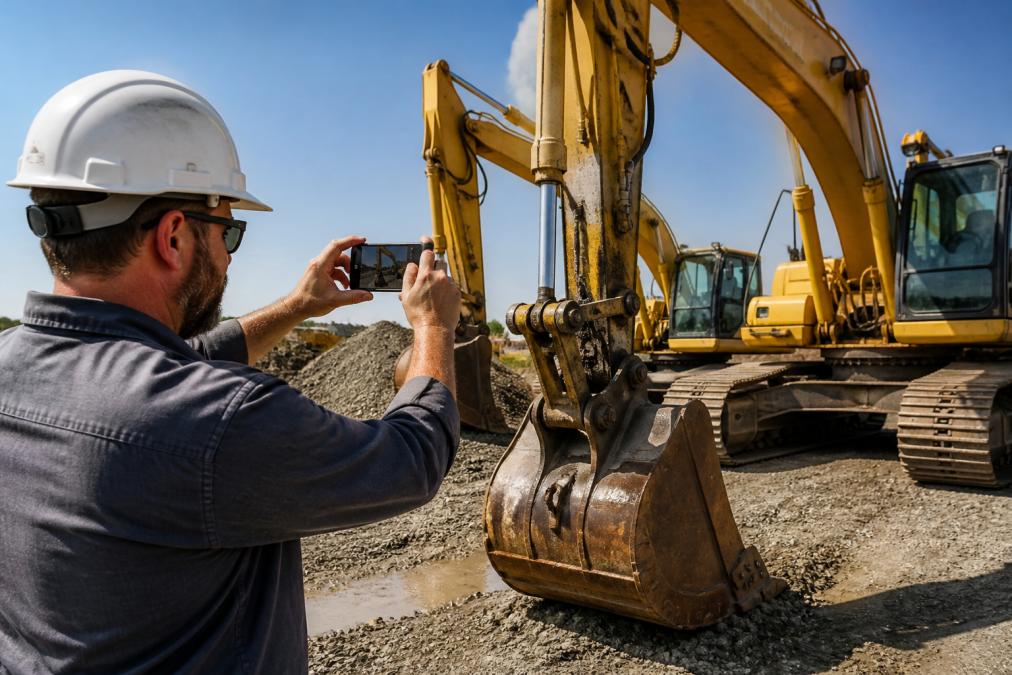
Documentation is critical. Buyers need proof of condition, maintenance history, and operational hours. Include photos from multiple angles: bucket detail, hydraulic systems, undercarriage, cabin interior, and visible wear. Video walkthroughs convert even better.
Pricing strategy separates successful sales from languishing listings. Research comparable excavators on your chosen platforms, adjust for condition and hours, then price to trigger immediate interest. Overpricing guarantees months of sitting.
Timing matters. U.S. machinery orders surged past $45 billion in early 2026, creating a deep pool of active buyers. Listing during peak seasons increases visibility and competition, which drives prices up.
Platform selection determines reach. Ironmartonline's nine-platform distribution means your machine reaches contractors, dealers, rental companies, and international buyers simultaneously. Single-platform listings reach only that platform's audience.
Selling Heavy Machinery Without Contracts: What to Know
Contract terms trap many sellers. Some platforms require exclusivity, others lock you in for 60-90 days, and some demand upfront listing fees regardless of whether equipment sells.
Selling without contracts gives you flexibility and control. Ironmartonline operates with no contracts, meaning you can list equipment, manage inquiries, and close deals on your timeline. If a better opportunity emerges elsewhere, you're not locked in.
Contract-free selling also means transparent fee structures. You know exactly what you're paying with no surprise commissions in fine print. This clarity matters when calculating net proceeds.
However, contract-free doesn't mean no responsibility. Respond promptly to inquiries, provide accurate information, and follow through on commitments. Buyers expect communication within 24 hours. Delayed responses lose deals to faster competitors.
Documentation becomes critical without contracts protecting either party. Claim an excavator has 8,000 hours when it actually has 12,000, and the buyer has recourse. Misrepresented equipment gets returned, refunded, and negative reviews posted. Your reputation suffers far more than any single sale's margin.
Best Websites to Sell Construction Equipment
Construction equipment moves faster on platforms where construction buyers congregate. Equipment Trader, Purple Wave, and Ironmartonline each attract different buyer segments.
Equipment Trader draws dealers and contractors actively searching for specific machines. Over 110,000 listings mean high traffic and competition. For common items like skid steers or wheel loaders, Equipment Trader's volume works in your favor.
Purple Wave specializes in auction-format sales, accelerating decision-making. Competitive bidding can drive prices up in hot markets. The platform handles logistics end-to-end, reducing your burden, though no-reserve auctions mean price uncertainty.
Ironmartonline's advantage for construction equipment is distribution breadth. Your bulldozer, excavator, or wheel loader reaches contractors, rental companies, fleet managers, and international buyers across nine platforms. That reach matters for specialty equipment or niche markets.
GovDeals occasionally has construction equipment from government agencies, but inventory is inconsistent. When available, prices can be competitive because fewer buyers shop there than commercial platforms.
Cat Used and John Deere Used Equipment work if selling those specific brands and accepting brand-certified pricing premiums. Buyers trust certification and warranty, justifying higher prices, though dealer networks move inventory slowly.
Auction-Based Platforms vs. Marketplace Listings
The fundamental difference is control. Auction platforms set a date, open bidding, and let demand determine price. Marketplace listings let you set price and negotiate directly.
Auction platforms like Ritchie Bros., Purple Wave, and Proxibid work well when market demand is strong and you want fast sales. Competitive bidding can drive prices above asking if multiple buyers want the same machine. However, soft demand means lower prices. Auctions also compress your timeline, the platform controls when the sale happens.
Marketplace listings like Equipment Trader and Ironmartonline give you pricing control and timeline flexibility. You list at your asking price and negotiate with interested buyers. Sales take longer, but you retain use. If an offer comes in low, you can reject it and wait for better terms.
Hybrid approaches exist too. Ironmartonline's multi-platform model lets you list on some platforms while pursuing auction opportunities elsewhere. That diversification reduces risk.
The choice depends on your priority. If you need cash fast and market conditions are favorable, auctions work. If you want maximum proceeds and can wait, marketplace listings typically yield better net returns.
Evaluating Equipment Reliability and Inspection Standards
Buyer confidence hinges on condition transparency. Equipment with verified inspection reports sells faster and at higher prices than machines with unknown history.
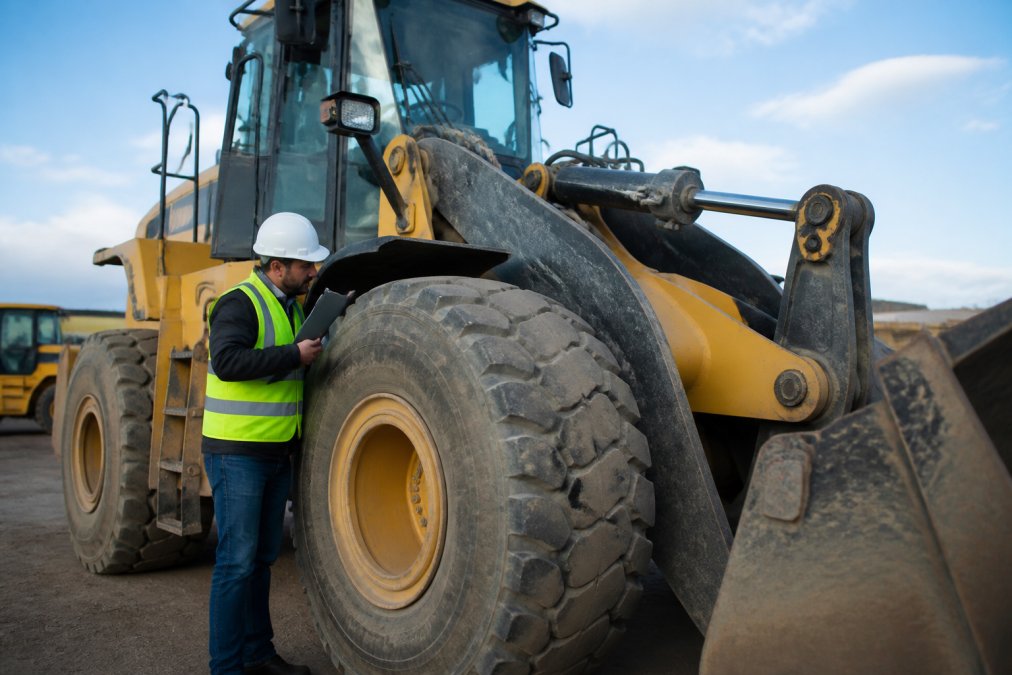
IronPlanet's "IronClad Assurance" program includes detailed condition reports covering mechanical systems, hydraulics, tires, and cosmetic condition. Buyers see exactly what they're getting. That transparency builds trust and justifies premium pricing.
Altec Industries led the bucket trucks market with 34% market share in 2025, according to Global Market Insights bucket truck analysis, because reliability expectations in that segment are exceptionally high. Equipment buyers in specialized markets demand verified condition data.
Critical inspection checkpoints:
Engine and Hydraulics: Start the engine cold and listen for rough idle, knocking, or excessive smoke. Check for oil leaks around the engine block, valve covers, and pan. Inspect hydraulic hoses for cracks, leaks, or bulging. Operate all hydraulic functions and listen for grinding, hesitation, or pressure loss. Slow or jerky movements indicate worn seals or failing pumps, expensive repairs.
Undercarriage and Structural Integrity: For tracked equipment, check track tension and look for broken links. Inspect the frame for cracks, especially around welded joints. Cracks indicate stress history and future failure risk. For wheeled equipment, examine tires for uneven wear, sidewall damage, or dry rot.
Operational Hours and Documentation: Cross-reference the hour meter against maintenance records. Equipment with verified service at regular intervals indicates professional operation. Gaps in maintenance history or hour-meter inconsistencies are red flags.
Bucket and Attachment Condition: Inspect bucket teeth for wear and replacement history. Check bucket seams and welds for cracks. Examine hydraulic cylinders for rod scoring, leaks, or dents.
Cabin and Controls: Test all controls from the operator's seat. Check for cracked glass, worn seats, and functional gauges. Verify warning lights illuminate during startup and extinguish after warm-up.
Documentation Red Flags:
- Hour meter reads suspiciously low for equipment age
- No maintenance records for past 12-24 months
- Multiple ownership transfers in short timeframes
- Title issues or lien holders still listed
- Repair estimates for major components dated within 6 months
Document hours, maintenance history, recent repairs, and known issues before listing. Photograph damage, wear, and functional systems from multiple angles. Video demonstrations of operation, bucket articulation, and hydraulic response convert skeptical buyers into committed ones. Platforms facilitating third-party inspections add credibility.
Cost-Benefit Analysis: Marketplace Fees and Commissions
Fee structures vary across platforms, and understanding them prevents margin surprises. However, fees are only part of total acquisition cost. Financing terms, insurance premiums, and warranty coverage differ dramatically and often exceed listing or commission fees.
Platform Fees:
Equipment Trader charges listing fees. Auction platforms like Ritchie Bros. and Purple Wave charge seller commissions. Ironmartonline charges no listing fees and no hidden commissions.
Calculate net proceeds before choosing a platform. If selling a $50,000 excavator:
- Equipment Trader: $50,000 - listing fee = net proceeds
- Ritchie Bros. auction: $50,000 - commission = net proceeds
- Ironmartonline: $50,000 with transparent fee structure
Ironmartonline's advantage is predictability. You know your net before listing. With auctions, final price is unknown until bidding closes.
Financing and Insurance: Hidden Cost Multipliers
Buyers financing equipment through different channels face vastly different costs, affecting their maximum bid price.
Auction-platform financing: Ritchie Bros. and Purple Wave connect buyers to captive finance partners. However, auction equipment often carries higher rates because condition is less predictable. Higher interest costs can reduce a buyer's maximum bid.
Marketplace-platform financing: Equipment Trader and Ironmartonline don't provide financing directly, but buyers arrange independent financing through equipment finance companies or banks. These typically offer competitive APR for established buyers, requiring more documentation and time to approve. Lower rates increase buyer willingness to bid higher.
Brand-certified financing: Cat Used and John Deere Used Equipment offer captive financing through brand financial arms, typically competitive APR for qualified buyers. Lower financing costs mean buyers can afford higher purchase prices, benefiting sellers.
Insurance implications:
Insurance costs vary by equipment age, condition, and buyer profile. Buyers purchasing through auction platforms often face higher premiums because condition reporting is less detailed. The same equipment with verified maintenance records might cost less annually to insure. This difference affects buyer affordability and maximum bid price.
Brand-certified equipment often qualifies for lower insurance rates because insurers trust the warranty and maintenance protocols. Buyers save on annual premiums, increasing their purchasing power.
Marketplace platforms emphasizing inspection transparency help buyers qualify for lower insurance rates, indirectly increasing their maximum bid and your sale price.
Total Cost of Ownership:
Don't compare platforms on fees alone. Calculate buyer's total cost:
(Equipment Price) + (Financing Interest Over Loan Term) + (Annual Insurance × Years Owned) + (Estimated Maintenance) = Total Cost
Warranty and Service Contracts:
Brand-certified platforms often include warranty coverage, reducing buyer risk and increasing maximum bid. Marketplace platforms rarely include warranty, shifting post-purchase risk to the buyer. Offering a warranty can increase buyer confidence and justify a price premium.
Platform Choice Impact on Buyer Financing:
- Auction platforms attract buyers with immediate capital or quick financing access, but higher interest rates can reduce maximum bid
- Marketplace platforms attract buyers arranging independent financing at competitive rates, increasing maximum bid
- Brand-certified platforms attract buyers prioritizing warranty and lower insurance costs, increasing maximum bid
Time-to-sale impacts true cost. A platform selling in 30 days might yield better net proceeds than a free platform where equipment sits 120 days. Storage, maintenance, and depreciation during those extra days can be significant.
Post-Purchase Support and Parts Availability
After the sale closes, buyers need parts, service information, and technical support. Platforms facilitating post-purchase relationships build loyalty and reputation.
Cat Used and John Deere Used Equipment excel here by connecting buyers to authorized dealer networks. Parts availability is guaranteed and service manuals are standardized. For buyers valuing post-purchase certainty, brand-certified platforms justify premium prices.
Marketplace platforms like Ironmartonline and Equipment Trader don't provide post-purchase support directly. However, Ironmartonline's brokerage model includes consulting on equipment condition and documentation, helping buyers make informed decisions that reduce post-purchase surprises. Well-documented, honestly presented machines create fewer support headaches for both parties.
Parts availability varies by equipment age and brand. Newer equipment (under 10 years) has abundant parts availability across independent suppliers and brand dealers. Older equipment (15+ years) may require specialty suppliers or used-parts salvage. Disclose parts availability challenges in your listing, buyers appreciate honesty and adjust offers accordingly.
Global Reach vs. Local Sales: Which Matters More?
More than 60% of North American equipment buyers research machinery online before purchase decisions, according to Hard Asset Equipment Online Auction Market analysis cited by Ironmartonline. That statistic matters because your local equipment has national and international appeal.
Global reach expands your buyer pool exponentially. An excavator attracting three local bidders could attract thirty regional and international buyers if listed on platforms with global reach. More buyers create competitive bidding, driving prices up.
However, global sales introduce complexity. International buyers need financing, shipping, customs paperwork, and documentation. Platforms like Ironmartonline and Ritchie Bros. handle international logistics, but you need to understand the process. Equipment shipped internationally may require export documentation, customs clearance, and destination-country compliance. These add time and cost but unlock higher prices from buyers willing to pay premium for international sourcing.
Local sales move faster but reach fewer buyers. Equipment Trader and Purple Wave attract local and regional buyers, accelerating timelines. However, limited buyer pools mean lower competitive pressure, potentially reducing prices.
Strategic approach: list globally for maximum reach and pricing potential, but price competitively to attract local buyers quickly if you need cash fast. Ironmartonline's multi-platform model achieves both simultaneously.
Choosing the Right Platform for Your Equipment
Your choice depends on four factors: equipment type, urgency, market conditions, and support needs.
Equipment type matters. Specialty equipment like articulating booms or grapple attachments needs platforms where specialty buyers congregate. Ironmartonline's nine-platform approach ensures specialty equipment reaches niche audiences. Common equipment like wheel loaders works on any platform with volume.
Urgency determines format. If you need cash in 30 days, auction platforms accelerate sales. If you can wait, marketplace listings often yield better net proceeds through negotiation.
Market conditions shift. In strong markets (like early 2026 with machinery orders surging past $45 billion), auction platforms capitalize on competitive bidding. In soft markets, marketplace listings with patient negotiation work better.
Support needs vary. If selling one machine, Equipment Trader's listing fees work fine. If moving fleet inventory, Ironmartonline's brokerage model and multi-platform distribution handle complexity better. If needing post-purchase support, brand-certified platforms justify premium positioning.
Start with this framework: Does your equipment need global reach (Ironmartonline, Ritchie Bros.) or local speed (Equipment Trader, Purple Wave)? Do you want auction format (Ritchie Bros., Purple Wave, Proxibid) or negotiation (Equipment Trader, Ironmartonline)? Do you value transparency and inspection (IronPlanet, Ironmartonline) or volume (Equipment Trader)?
Your answer determines the platform. Most experienced sellers use multiple platforms simultaneously, with different channels reaching different buyer segments, all working in parallel to maximize reach and price.
Selling heavy equipment online doesn't require choosing between speed and price. Ironmartonline's brokerage model combines multi-platform distribution with transparent fees and contract-free flexibility, ensuring your equipment reaches millions of potential buyers while you retain control. Whether moving a single excavator or managing fleet disposal, the right platform accelerates sales and protects your margin. Join our email list to stay updated on market trends, pricing insights, and platform strategies that maximize your equipment's value.
Frequently Asked Questions
Q: Is Boom and Bucket a legitimate platform for selling heavy equipment?
A: Boom and Bucket operates as a managed marketplace for heavy equipment sales and is recognized in the industry. However, multiple alternatives exist with different fee structures, reach, and support models. Your choice depends on whether you prioritize speed, maximum profit, or global exposure. Platforms like Ironmartonline, Ritchie Bros., and IronPlanet each serve different seller needs and offer distinct advantages in terms of buyer access and transaction support.
Q: What are the best online marketplaces for selling used excavators and construction equipment?
A: Top platforms include Ironmartonline (nine specialized platforms with no contracts), Ritchie Bros. (70% of buyers outside home state, broad auction reach), IronPlanet (detailed inspection reports), Equipment Trader (110,000+ listings), and Purple Wave Auction (no-reserve model). The best choice depends on your equipment type, timeline, and whether you prefer auction-based or fixed-price listings. Research each platform's buyer demographics and fee structure before listing.
Q: How long does it typically take to sell equipment on these platforms?
A: Timeline varies by platform and model. Auction-based platforms (Ritchie Bros., Purple Wave, IronPlanet) typically complete sales within 1-3 weeks. Marketplace listings (Equipment Trader, Ironmartonline) can range from 2-8 weeks depending on pricing, condition, and buyer demand. Speed depends on accurate pricing, detailed photos, complete documentation, and competitive positioning. Equipment with verified specs and clean service history sells faster than listings lacking documentation.
Q: What's the difference between selling through an auction platform versus a marketplace listing site?
A: Auction platforms (Ritchie Bros., Purple Wave) create urgency and often generate competitive bidding, but final prices depend on buyer demand that day. Marketplace sites (Equipment Trader, Ironmartonline) let you set prices and attract buyers actively searching for your equipment type. Auctions guarantee a sale date and buyer; marketplaces offer more control over pricing but require patience. Choose auctions for speed and guaranteed sales; choose marketplaces for price control and selective buyer access.
This article was written using GrandRanker