Description
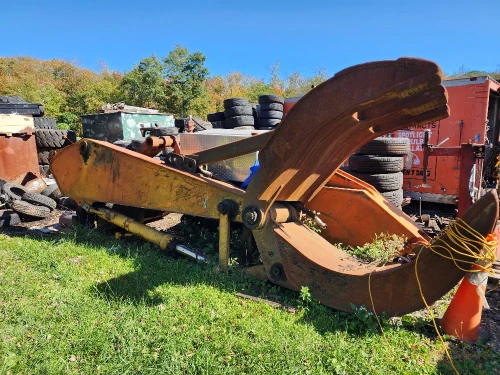
1998 CATERPILLAR DEMO GRAPPLE - 3 in 1 Tine, Fits 90,000lb to 150,000lb Machine, Off a Cat 350 Excavator. Located in Rockaway, NJ 07866.
Specs and Dims
Description Continued...
Large Cat 3 in 2 Tine Demo Grapple: What to Verify
The description reads like a lot of used attachment listings: a large demo grapple, a tine configuration written as 3 in 2, a carrier size class of 90,000 lb to 150,000 lb, and a note that the unit came off a Cat 350 excavator. Each of those details shapes whether the attachment suits your machine and your work. Each one also needs verification before money changes hands, because a listing title is a starting point rather than a specification sheet.
What follows is a practical way to read a listing like that, the questions worth asking the seller, and the checks that matter most when you are matching a heavy demolition grapple to a large excavator.
What the listing title actually tells you
A title like this one is built to answer three questions quickly: what the attachment is, what it fits, and what it came off. That is useful, but each answer is a claim rather than a measurement.
The 3 in 2 wording is the part that varies most between sellers. It may describe how tines are arranged, how many are present, or a shorthand the seller uses. Ask for photos that show the jaw from the side and straight on, and ask the seller to describe the tine layout in plain language. A photo answers the question faster than any label.
The 90,000 lb to 150,000 lb figure is a carrier weight class. It tells you roughly which excavators the attachment was sized for. A grapple balanced for a lighter carrier behaves differently on a heavier one, and the reverse is also true. Treat the range as a starting point and confirm the attachment's own weight separately.
The phrase about coming off a Cat 350 excavator is provenance, not a fitment guarantee. It tells you the previous carrier, which can hint at coupler type and hydraulic setup, but the same model can be configured differently depending on year, options, and what the previous owner added.
Why the Cat label deserves a second look
The word Cat gets used in more than one way in attachment listings. One catalog document that appears in search results for this kind of query, titled for Saskatoon, Saskatchewan, carries snippet text reading "Fits Cat 1-2 ton Excavator (Unused) Fits Cat 3 ton Excavator (Unused)." That snippet concerns excavator fitment, not grapples, and there the same three letters sit alongside tonnage classes. Depending on the source, Cat can mean a brand or a size class shorthand.
Rather than assume, ask the seller which manufacturer built the attachment and which manufacturer built the machine it came off. Request a photo of the data plate if one exists. That single image settles more questions than a listing title ever will.
A pre-purchase checklist for a heavy demo grapple
Run the same list if you are standing in front of the attachment or working from photos and a phone call. Anything you cannot confirm is a question for the seller.
| What to verify | Why it matters | How to confirm |
|---|---|---|
| Pin diameter and pin spacing | Mounting dimensions decide whether the attachment goes on your stick at all | Measure the pins or ask for measurements and compare to your machine's published figures |
| Coupler or direct pin mount | A quick coupler adds a matching requirement between attachment and carrier | Ask for the coupler make and model on the seller's machine |
| Hydraulic flow and pressure needs | Rotation and jaw function depend on what the carrier's auxiliary circuit supplies | Compare the attachment's stated requirements against your machine's documentation |
| Attachment weight | Weight at the end of the stick changes lift capacity and stability | Weigh it or get the manufacturer figure rather than estimating |
| Tine and jaw wear | Demolition work wears tines, pivot points, and hardfacing | Inspect in person and look for cracks at welds and rebuilt sections |
| Rotation function | A worn rotator is an expensive repair | Cycle it, listen for noise, and check for play |
| Repair history | Rebuilt areas can hide problems or show good maintenance | Ask for records and photos of prior work |
If the seller cannot answer a row on that list, that is information too. It tells you how much of the verification you will have to do yourself once the attachment arrives.
Matching a grapple to a 90,000 lb to 150,000 lb carrier
Weight class is a rough filter, not a fitment guarantee. The number describes the carrier, and the attachment has its own weight that hangs at the end of the stick. Extra weight reduces the load you can safely lift and changes how the machine feels when the boom is extended.
Hydraulics matter just as much. A grapple with a rotating function needs an auxiliary circuit that can feed it, and your machine's published specs for that circuit are the only reliable reference. Compare the attachment's stated requirements against your own documentation, not against the previous owner's setup.
Reach and balance deserve a look too. A heavy attachment on a carrier at the low end of the class may limit how far you can work safely. On a carrier at the high end, a smaller attachment may be under-built for the forces a bigger machine can apply. Both situations are worth thinking through before purchase rather than after.
What demolition work does to a grapple
Concrete, rebar, and mixed debris are hard on tines. Wear shows up at the tips, at pivot points, and along welds where hardfacing has been applied and reapplied. A unit that has seen years of production demolition will look very different from one that saw occasional cleanup work.
Look for cracks starting at weld toes, rebuilt sections, and uneven wear that suggests the jaw has been twisted or overloaded. Cycle the rotation if the attachment has it and listen for grinding or catch. Check for play in the pivot. Those are the areas where repair costs accumulate, and they are the ones a distant photo will not reveal.
Questions to ask the seller
- Which manufacturer built the grapple, and what is the model or part number?
- What is the attachment's weight, and how was it measured?
- What are the pin diameter and pin spacing, and does it use a coupler?
- Which excavator did it come off, and was that machine original or modified?
- What hydraulic flow and pressure does the attachment require?
- Does it rotate, and has the rotator been serviced?
- Has it been repaired, and are there records or photos of the work?
- Can you send photos of the data plate, the jaw, and the mounting bracket?
A seller who answers those questions without hesitation usually knows the attachment. Vague answers are a signal to slow down and ask for documentation.
Buying and selling used attachments through a marketplace
Ironmartonline is a web-based marketplace that connects buyers and sellers of used heavy equipment, trucks, and machinery. Sellers list across nine platforms to reach a wide pool of buyers, with no contracts and no hidden fees, and financing options are available for buyers who want them.
That model matters for attachment shopping. A marketplace spreads a listing across several channels instead of one, which means more eyes on the item and a better chance of finding a machine or a buyer that matches. It also means the details in the listing come from the seller, so the verification steps above still apply.
Verify the listing, then decide
Nothing in a title like this one should be treated as confirmed until you or the seller has measured it. There is no substitute for confirming the mounting dimensions, the hydraulic requirements, the attachment weight, and the condition of the tines and pivot with the seller before you buy. Ask for the data plate, ask for measurements, and ask what the attachment was used for.
When the answers line up with your machine's documentation, you have something worth pursuing. When they do not, you have saved yourself a costly mismatch.
Frequently Asked Questions
How do I know if a grapple will fit my excavator?
Start with the mounting: pin diameter, pin spacing, and whether the attachment uses a coupler or pins directly to the stick. Then compare attachment weight and hydraulic requirements against your machine's published documentation. The previous carrier tells you what it fit before, not what it fits now. Confirm each point with the seller before you commit.
What does 3 in 2 mean on a demo grapple?
The wording varies by seller and is not standardized. It may refer to the number of tines, how they are arranged, or simply a naming habit the seller uses. Ask for photos showing the jaw from the side and the front, and ask the seller to describe the tine layout in plain words. A photo settles it faster than any label.
Can a grapple sized for a 90,000 lb machine run on a larger carrier?
It can physically mount if the pins and hydraulics line up, but that does not make it a good match. A larger carrier applies more force and can overload an attachment built for a lighter class. Check the attachment's weight rating and hydraulic limits against your machine's specs, and ask the seller or manufacturer to confirm the pairing.
What should I inspect first on a used demo grapple?
Start at the tines and the pivot. That is where demolition work concentrates wear, cracking, and rebuilt sections. Cycle the jaw and the rotator if the attachment has one, listen for grinding, and check for play. After that, look at the mounting bracket for cracks and confirm the pin dimensions match what you were told.
How do I verify a listing's claims before buying?
Ask for the data plate, measurements, and photos of the jaw, bracket, and any repairs. Compare the hydraulic requirements and attachment weight against your machine's published documentation. If the seller cannot supply a detail, treat it as unverified and factor that into your decision. Written answers and clear photos are worth more than a convincing description.