
Last Updated: October 24, 2026
Quick Summary
To sell used construction machinery online effectively, list your equipment across multiple specialized platforms simultaneously, price competitively using comparable sales data, prepare detailed documentation and high-quality photos, and verify serious buyers before closing. A Heavy Equipment Broker like Ironmartonline handles these steps across nine platforms at once, reaching millions of potential buyers instead of managing separate listings yourself.
- List equipment across multiple platforms to maximize buyer reach and reduce time on market
- Price using comparable sales data adjusted for operating hours, condition, and attachments rather than guessing
- Gather maintenance records, service history, inspection reports, and clear photos before listing
- Verify buyer qualifications early and never accept wire transfers before in-person inspection
- A broker network saves time by managing inquiries, verification, and logistics across nine platforms simultaneously
Table of Contents
- Why Use an Equipment Broker to Sell Used Construction Machinery Online
- How to Price Used Heavy Equipment for Competitive Sales
- Best Online Platforms for Selling Heavy Equipment
- Documents Needed to Sell Used Construction Equipment
- Preparing Your Used Construction Machinery for Sale
- Creating a Used Construction Equipment Listing Checklist
- Verifying Buyers and Preventing Fraud
- Negotiating Terms and Closing the Sale
- Getting Your Equipment Listed and Sold
- Frequently Asked Questions
Why Use an Equipment Broker to Sell Used Construction Machinery Online
Selling used construction machinery online can feel overwhelming. You're managing photos, pricing, buyer inquiries, and logistics all at once. But here's the real question: why use a Heavy Equipment Broker like Ironmartonline to sell used construction machinery online instead of handling it yourself?
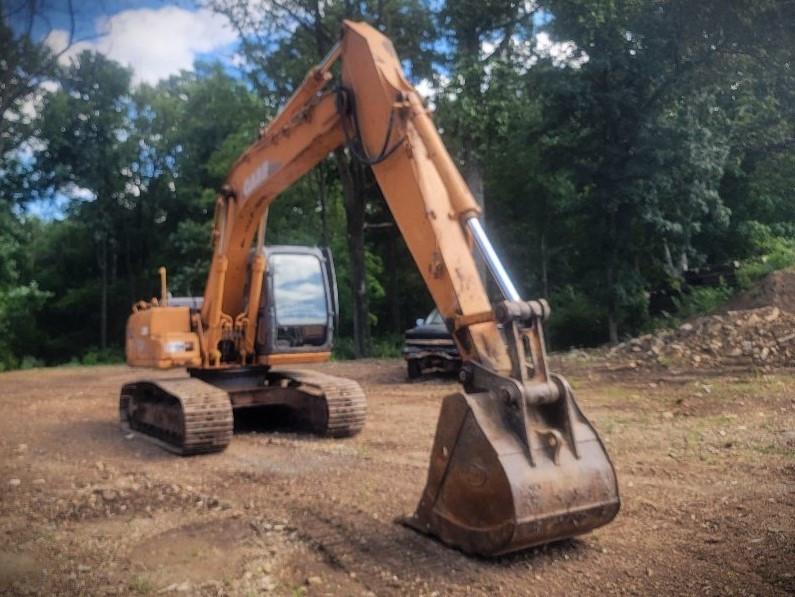
The answer comes down to reach and efficiency. When you sell used construction machinery online through a broker like Ironmartonline, your equipment gets listed across nine specialized platforms simultaneously. That means millions of potential buyers see your dozers, excavators, and trucks instead of just the handful who might find a single listing on one marketplace.
A broker handles the heavy lifting. They manage multiple listings, field buyer inquiries, verify serious buyers, and coordinate inspections. You're not juggling platforms or fielding scam calls. The process moves faster because brokers have relationships with qualified buyers and know how to present equipment in ways that attract real interest.
Most sellers who try solo listings spend weeks or months getting one machine sold. Equipment sits listed for months while the asking price drops. A Heavy Equipment Broker accelerates this timeline because they know which platforms work for which equipment types and how to price competitively from day one.
The other advantage is documentation and credibility. Brokers understand what buyers need to see: maintenance records, service history, inspection reports, and clear photos. They know how to present that information so buyers feel confident making an offer. That confidence translates to faster sales and better prices.
Below, we'll walk you through how to price your equipment, prepare it for listing, choose the right platform, and close the sale successfully. Whether you work with a broker or list independently, these steps will help you sell used construction machinery online with confidence.
How to Price Used Heavy Equipment for Competitive Sales
Setting the right asking price is the single biggest factor in how fast your equipment sells. Price too high and buyers ignore the listing. Price too low and you leave money on the table. Most sellers guess, then chase the market downward. A better approach is a repeatable valuation method that you can defend when buyers negotiate.
Step 1: Gather Comparable Sales Data
Start by researching recent sold prices, not just asking prices. Asking prices are wishes; sold prices are facts. Look for equipment matching your make, model, and year on active listings and, when available, on auction results pages or dealer sold inventories. Note the selling prices and the context: was it a private sale, an auction, or a dealer retail sale? Auction results typically reflect wholesale values, while dealer retail prices include a markup for service and warranty. Private sales often land between the two.
Document each comparable with its source, date, hours, condition, and attachments.
Step 2: Adjust for Operating Hours
Operating hours matter most. A dozer with 2,000 hours is worth significantly more than one with 8,000 hours. Buyers expect to pay premiums for low-hour machines. Establish a baseline. Use your comparable sales to derive an hours adjustment rather than applying a fixed dollar amount. For example, if two comparable excavators differ by 2,000 hours and $20,000 in sold price, that implies roughly $10,000 per 1,000 hours. Apply that rate to your machine's hours relative to the baseline.
Step 3: Adjust for Condition
Condition drives the next adjustment. Inspect your machinery thoroughly. Note rust, dents, mechanical wear, hydraulic leaks, and any parts needing replacement. Be honest about condition in your research, equipment in fair condition sells at a discount compared to good or excellent condition. A practical framework:
- Excellent: Fully functional, clean, no major leaks or damage, tires/tracks with significant life remaining. Typically commands a premium of 5-10% over good condition.
- Good: Operates as intended, minor cosmetic issues, may need routine maintenance soon. This is the baseline.
- Fair: Runs but needs repairs (hydraulic leaks, worn undercarriage, damaged cab components). Typically sells at a 10-20% discount to good condition.
- Poor: Non-running or requiring major repairs. Value is often determined by parts value or salvage, and may be 30-50% below good condition.
Use your comparable sales to calibrate these adjustments. If a comparable in fair condition sold for $15,000 less than a similar good-condition unit, that gives you a dollar adjustment rather than a percentage guess.
Step 4: Value Attachments Separately
Attachments add value. A loader with a grapple bucket attached is worth more than the loader alone. List every attachment separately in your pricing research. Look for sold prices of the attachment alone, a used grapple bucket might sell for $3,000-$8,000 depending on size and condition. Add that value to your base machine price, but be aware that buyers may not pay full attachment value if they don't need it.
Step 5: Build and Defend Your Asking Price
Create a simple pricing worksheet:
- Base price from comparable sales (average of adjusted comparables)
- Adjustment for operating hours (using your derived per-hour rate)
- Adjustment for condition (using your calibrated percentage or dollar adjustments)
- Value of attachments (at 50-75% of standalone value)
- Final asking price
This approach keeps pricing objective and defensible when buyers negotiate. When a buyer offers 15% below your asking price, you can point to the comparable sales, the hours adjustment, and the condition assessment to justify your number. That transparency builds trust and often shortens negotiations.
Best Online Platforms for Selling Heavy Equipment
Multiple platforms reach different buyer audiences. Your equipment should appear on several to maximize visibility, but not all channels are equal when it comes to net proceeds, speed, and effort. A smart seller compares expected take-home proceeds across auctions, dealers, brokers, and direct listings before committing.
General Marketplaces
Sites like Facebook Marketplace and Craigslist reach local buyers quickly. Listings are free or low-cost. Response time is fast but buyer quality varies. Many casual browsers, few serious buyers. These platforms work best for lower-value equipment or attachments where local pickup is easy. Expect to field many inquiries that go nowhere, and be prepared to verify buyers carefully.
Equipment-Specific Platforms
Equipment-specific marketplaces attract serious buyers with money ready to spend. These sites draw contractors, fleet managers, and rental companies actively shopping for machinery. Response quality is higher. Listing fees apply, often a flat fee or a percentage of sale price, but the ROI justifies the cost for mid- to high-value machines. These platforms often provide search filters and specification fields that help buyers find your listing, so fill them out completely.
Auction Sites
Auctions create urgency. Bidding wars can push your final price higher than a fixed asking price. Auctions work best for popular equipment in good condition. However, be aware of the costs: seller's commission (often 5-10% of hammer price), listing fees, and sometimes a reserve fee if you set a minimum. Buyer's premiums are paid by the buyer, but they can suppress bidding. Net proceeds from an auction can be lower than a direct sale, but the speed and certainty may justify the trade-off. Auctions are also a good fit when you need to liquidate quickly or have a niche item that benefits from a broad audience.
Dealer Consignment
Dealers will sell your equipment on consignment. They handle storage, marketing, and buyer financing. The trade-off is a lower net proceeds and less control over the asking price. Dealers may also require you to accept their pricing recommendations. Consignment works well if you lack the time or space to manage a sale.
Broker Networks
Broker networks like Ironmartonline list your equipment across multiple platforms at once. You avoid managing nine separate listings yourself. One point of contact handles inquiries, verification, and coordination. This saves time and reduces listing fatigue. When comparing brokers, ask how many platforms they list on, what their fee structure is, and whether they handle buyer verification and logistics.
Comparing Your Options
To choose the best channel, estimate your net proceeds for each option:
- Direct listing on a general marketplace: Sale price minus any listing fees (often $0-$50). But factor in your time for managing inquiries and the risk of scams.
- Equipment-specific platform: Sale price minus listing fee (often $50-$500). Higher buyer quality may yield a faster sale at a better price.
- Auction: Hammer price minus seller's commission (5-10%) and listing fees. Faster sale but potentially lower net.
- Dealer consignment: Sale price minus commission (10-20%). Less effort but lower net.
- Broker network: Sale price minus broker fee. Often a flat fee or percentage; compare the reach and services included.
A simple rule: the more hands-off the channel, the higher the fee, but the lower your time investment. Choose based on your timeline, equipment value, and tolerance for managing the process.
Compare your options by considering your timeline and equipment type. Need cash in two weeks? Auctions create urgency. Selling a niche item? Equipment-specific platforms attract the right buyers. Want hands-off convenience? A broker manages the entire process.
Browse used heavy equipment for sale at IronmartOnline to see how professional listings present machinery and attract qualified buyers.
Each sales channel has different costs, timelines, and net proceeds to consider.
| Channel | Best For | Key Difference |
|---|---|---|
| General Marketplace | Lower-value equipment, local pickup | Free or low-cost, many casual browsers |
| Equipment-Specific Platform | Mid to high-value machines | Higher listing fees, serious buyer quality |
| Auction Sites | Popular equipment, quick sales | 5-10% seller commission, creates bidding urgency |
| Dealer Consignment | Hands-off sales | 10-20% commission, dealer controls pricing |
| Broker Network | Multiple platforms at once | One contact manages nine platforms simultaneously |
Documents Needed to Sell Used Construction Equipment
Buyers want proof of ownership and maintenance history before committing. Gather these documents before listing:
- Title or ownership certificate, proves you own the equipment
- Maintenance records, shows regular servicing and care
- Service history, documents repairs and parts replaced
- Inspection reports, third-party condition assessment adds credibility
- Serial number documentation, matches the physical machine to records
- Attachments list, itemizes all included attachments with condition notes
- Operating hour records, verifies the hours displayed on the machine
- Warranty information, if any factory warranty remains, note the terms
- Recall notices, disclose any outstanding recalls or service bulletins
Organize these in a single folder, either physical or digital. When a buyer asks questions, you can respond immediately with documentation. This speed and transparency builds trust and speeds negotiations.
Missing documents don't kill a sale, but they create doubt. Buyers assume the worst when you can't produce records. They'll offer less to account for unknown repair history or hidden issues.
Preparing Your Used Construction Machinery for Sale
Getting your equipment sale-ready takes time but pays off in faster sales and higher offers.
Cleaning and Inspection
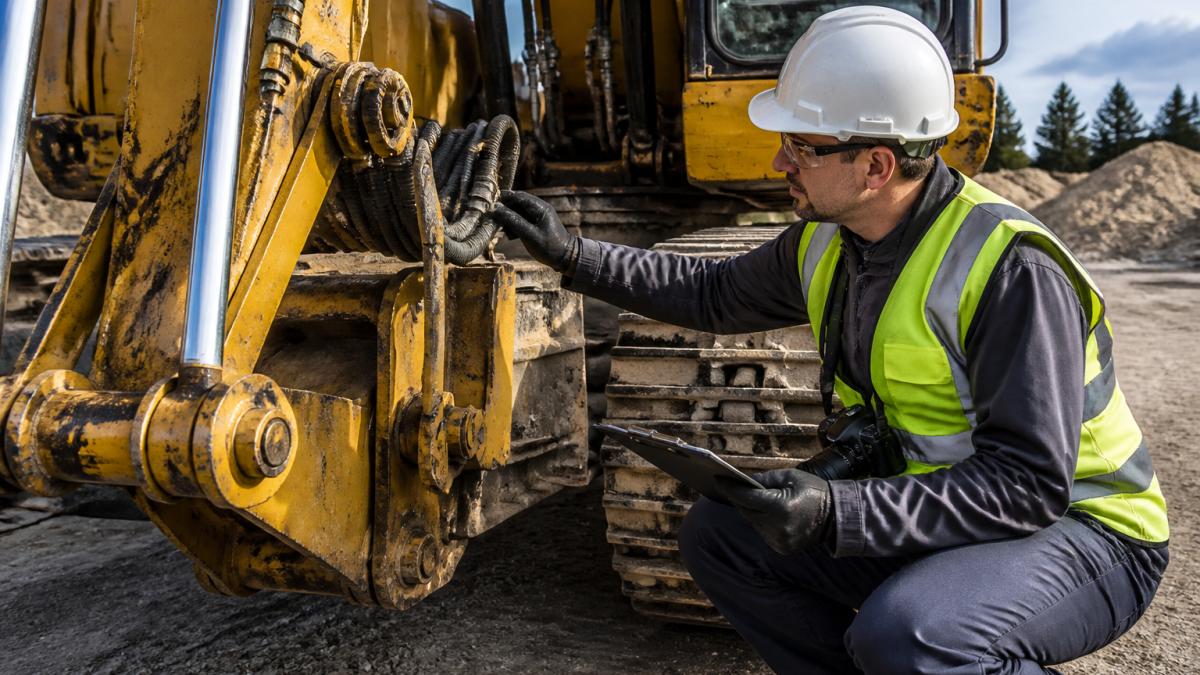
Start with a thorough cleaning. Pressure wash the exterior, removing dirt, rust stains, and debris. Clean the cab interior. Wipe down hydraulic lines and hoses. Equipment that looks well-maintained suggests it was maintained mechanically.
Inspect every component systematically. Walk around the machine with a checklist:
- Hydraulic hoses (cracks, leaks, bulges?)
- Engine (oil leaks, coolant leaks, visible corrosion?)
- Tires or tracks (wear, damage, proper pressure?)
- Lights and electrical connectors (cracked lenses, corrosion?)
- Glass and windows (cracks, scratches?)
- Cab upholstery (tears, stains, odors?)
- Undercarriage (rust, damage, bent components?)
- Operator controls (smooth operation, cracks?)
- Bucket or blade (cracks, bent edges, wear?)
Document every issue with photos and notes. You'll disclose these honestly in your listing and during buyer inspections.
Photographing Equipment
Photos make or break a listing. Buyers make snap judgments based on images alone.
Take photos in daylight with clear skies. Avoid overcast or rainy days, equipment looks worse in poor light. Shoot from multiple angles:
- Full side view showing overall condition
- Close-ups of any damage or wear
- Engine compartment open, showing mechanical condition
- Cab interior showing upholstery and controls
- Undercarriage and tracks or tires
- Attachments installed and removed
- Operator controls and display panels
- Any unique features or recent repairs
Include at least 15-20 photos per machine. Show problems honestly, buyers will see them in person anyway. Transparency builds confidence even when condition isn't perfect.
Creating a Used Construction Equipment Listing Checklist
A complete listing converts browsers into buyers. Use this checklist before publishing:
- Title: Make, model, year, and key feature (e.g., "2018 CAT 320 Excavator, Low Hours, Excellent Condition")
- Description: 2-3 sentences covering condition, hours, maintenance, and reason for sale
- Price: Competitive asking price with room to negotiate
- Hours: Exact operating hours documented
- Condition: Honest assessment (fair, good, excellent)
- Attachments: All included items listed separately
- Maintenance records: Proof of service history
- Photos: 15-20 high-quality images from multiple angles
- Contact info: Phone and email for serious inquiries
- Location: City and state for local buyers
- Inspection policy: Whether buyers can inspect before purchase
- Shipping policy: Whether you arrange transport or buyer handles it
Review your listing once more before posting. Typos and vague descriptions reduce buyer confidence. Clean, complete listings attract qualified offers faster.
Verifying Buyers and Preventing Fraud
Not every inquiry comes from a serious buyer. Scammers pose as buyers to extract payment without actually purchasing equipment.
Ask qualifying questions early:
- What's your intended use for this equipment?
- Will you arrange transport or need our help?
- Do you want to inspect the machine before purchase?
- What's your timeline for closing?
Serious buyers answer these questions directly. Scammers often dodge specifics or rush you toward payment.
Never accept wire transfers from unknown buyers before inspection. Wired funds can't be reversed. Meet in person when possible. Inspect the equipment together. Accept payment only after the buyer has seen the machine and agreed to the terms.
Request proof of funds before committing time to a sale. A serious buyer can show a bank statement or preapproval letter. This filters out tire-kickers and scammers immediately.
Negotiating Terms and Closing the Sale
Buyers will negotiate. Expect offers 10-20% below your asking price. Decide your walk-away price before negotiations begin.
Discuss payment method early. Cash is safest but uncommon for expensive machinery. Cashier's checks, bank transfers, and financing are common. Verify payment clears before releasing the equipment.
Agree on pickup logistics. Who arranges transport? Who pays? When does the buyer take possession? Document these terms in writing.
Create a simple bill of sale listing the equipment, serial number, asking price, and buyer contact information. Both parties sign. Keep a copy for your records.
Getting Your Equipment Listed and Sold
The steps above work whether you list independently or work with a broker. The difference is effort and timeline. Independent sellers manage each step themselves across multiple platforms. A Heavy Equipment Broker coordinates the entire process, handling inquiries, verification, and logistics.
For most sellers, the time saved justifies broker services. You spend hours on a single listing that might sit for weeks. A broker gets your equipment in front of millions of buyers across nine platforms simultaneously, dramatically shortening your sale timeline.
Frequently Asked Questions
What documents do I need to sell used construction equipment?
Gather the title or proof of ownership, maintenance and service records, inspection reports, equipment specifications (make, model, serial number, operating hours), and any warranty documentation. These records build buyer confidence and justify your asking price. Include photos of the equipment from multiple angles and any attachments or accessories included in the sale.
How do I price used heavy equipment competitively?
Research comparable sales on online marketplaces and equipment auctions to establish market value. Factor in the equipment's age, operating hours, condition, attachments, and local inventory levels. Use recent sales of similar make and model as your baseline, then adjust up or down based on your machine's specific condition.
Which online platforms work best for selling heavy equipment?
Major marketplaces like equipment auction sites, specialized heavy machinery platforms, and online brokerages each reach different buyer pools. Some platforms charge commission-based fees while others use flat listings. Consider using multiple platforms simultaneously to maximize exposure. An equipment broker with access to multiple web-based selling platforms can list your machinery across several channels at once, reaching millions of qualified buyers.
How can I verify a buyer is legitimate before selling?
Ask for proof of funds or financing pre-approval before finalizing negotiations. Verify business credentials, request references from previous equipment purchases, and use secure payment methods that protect both parties. Be cautious of buyers offering prices significantly above market value or requesting unusual payment terms. Never transfer ownership until payment clears and all documentation is complete.
Ready to move your equipment? Ironmartonline connects buyers and sellers seamlessly across our network of specialized platforms. We handle the listing, verification, and coordination, you get your sale closed faster. Explore our equipment brokerage services to see how we can help you sell your used machinery with confidence and speed.
