
Table of Contents
- Why Use an Equipment Broker for Used Dozer Pricing
- Factors That Influence Used Dozer Pricing
- Understanding Heavy Equipment Depreciation Rates
- Crawler vs. Wheel Dozer: Pricing Differences
- Used Dozer Inspection Checklist: What to Evaluate
- Service History and Maintenance Impact on Value
- Regional Market Fluctuations and Timing
- Total Cost of Ownership: Beyond the Purchase Price
- Financing and Budget Planning for Used Dozers
- Conclusion
Last Updated: August 15, 2026
Why Use an Equipment Broker for Used Dozer Pricing
Determining fair market value for used dozers requires more than a quick online search. The used dozer pricing landscape shifts constantly based on machine condition, regional demand, and market timing. This is where understanding your pricing options becomes critical, and why many equipment owners turn to brokers who specialize in heavy machinery sales.
An equipment broker brings transparency to a market that's often opaque. Instead of guessing what your dozer should fetch, you get access to real transaction data, comparative market analysis, and expert assessment of your machine's actual condition. Why use a Heavy Equipment Broker like Ironmartonline? Because brokers connect sellers with qualified buyers across multiple platforms simultaneously, eliminating the friction of individual listings that sit dormant for months.
Why use an equipment broker for used dozer pricing? The answer lies in efficiency and reach. A broker's network spans millions of potential buyers globally and locally. Rather than managing inquiries yourself, handling negotiations, and navigating the logistics of equipment sales, you're working with professionals who understand depreciation rates, regional fluctuations, and the true cost of ownership that buyers factor into their offers.
For contractors, fleet managers, and owner-operators, the broker model removes guesswork. You're not competing against dozens of similar listings on generic marketplaces. You're positioned in front of serious, pre-qualified buyers who understand heavy equipment value. The result: faster sales and better net returns on your equipment investment.
The question isn't whether you can sell a dozer independently. You can. The question is whether you want to spend weeks managing that process yourself, or whether you'd rather work with specialists who've handled thousands of equipment transactions and know exactly what your machine is worth in today's market.
Factors That Influence Used Dozer Pricing
Used dozer pricing isn't a fixed formula, it's a function of multiple overlapping variables that either strengthen or erode resale value. Understanding these factors helps you position your equipment competitively and recognize fair offers when they arrive.
The most obvious factor is the machine itself: brand reputation, model year, and horsepower rating all matter. A late-model Caterpillar D6 commands different pricing than an older Komatsu D65 of the same vintage, partly due to brand equity and parts availability. But brand alone doesn't determine price.
Operating hours represent the single biggest variable after age. A dozer with 8,000 logged hours sits in a completely different pricing tier than an identical machine with 20,000 hours. Each additional thousand hours compounds the risk for the buyer, more wear on the engine, hydraulic system, transmission, and undercarriage. Brokers use operating hours as a primary filtering criterion because the data is usually verifiable through service records.
Regional demand creates significant price swings. A dozer that commands premium pricing in the Upper Midwest during spring construction season might sit unsold in the same region during winter. Geographic market fluctuations can swing prices 15-20% depending on local construction activity, seasonal demand patterns, and available inventory in that market.
Machine condition encompasses everything from structural integrity to blade configuration. A dozer with a ripper attachment and grade control technology carries higher value than a base model. Conversely, visible rust, hydraulic leaks, worn tracks, or transmission hesitation can crater the price. This is why thorough inspection and honest documentation matter, buyers will discover issues anyway, and transparency builds trust.
Service history and maintenance records function as a pricing multiplier. A machine with documented regular maintenance, parts replacement receipts, and clear serial number verification sells faster and commands better pricing than an identical dozer with spotty records or unknown provenance.
Operating Hours and Machine Age
Operating hours tell a story about how hard a dozer has worked and how much life remains in its major components. A machine with 5,000 hours suggests lighter duty or newer acquisition. One with 25,000 hours signals years of intensive use. Buyers use operating hours as a proxy for remaining useful life, which directly affects the price they'll pay.
The relationship between hours and pricing isn't linear. The first 10,000 hours typically see steeper depreciation than the next 10,000, because early hours represent normal break-in wear. Beyond 20,000 hours, the depreciation curve flattens slightly, the machine has proven it can survive sustained use. But the depreciation never stops.
Machine age compounds the hours factor. A 2020 dozer with 12,000 hours presents differently than a 2010 model with identical hours. The older machine faces technological obsolescence risk, newer models offer GPS grade control, fuel efficiency improvements, and emissions compliance that older machines lack. Buyers factor this into their offers, sometimes significantly.
Seasonal timing affects how age and hours are valued. During peak construction season, buyers are less price-sensitive about older machines because they need equipment now. During winter slowdowns, the same dozer sits longer and buyers demand deeper discounts. Understanding this timing dynamic helps you position your sale strategically.
Undercarriage Condition and Wear
The undercarriage, tracks, rollers, idlers, and drive sprockets, represents one of the largest replacement costs on a dozer. Undercarriage wear is visible, measurable, and directly impacts resale value. A dozer with fresh tracks commands significantly higher pricing than one with worn-down, cracked, or missing track segments.
Inspecting undercarriage condition requires getting under the machine and assessing track tension, roller wear patterns, and idler condition. Track wear isn't uniform. Tight turns and poor ground conditions accelerate wear on one side. Mud and abrasive material accelerate degradation. A visual inspection from above misses critical details, you need close-up assessment of roller condition, bolt integrity, and track pin wear.
Buyers often budget for undercarriage replacement when evaluating offers. When undercarriage condition is marginal, savvy buyers subtract estimated replacement costs from their offer. This is why undercarriage assessment appears on every serious used dozer inspection checklist.
Engine Performance and Powertrain Health
The engine and powertrain determine how much work a dozer can perform and how long it will operate between major overhauls. Engine performance translates directly to productivity and resale value. A dozer that starts reliably, maintains steady RPM under load, and shows no smoke or unusual noise carries premium pricing.
Powertrain health includes transmission condition, torque converter function, and final drive performance. A transmission that hesitates, slips, or lurches during gear changes signals internal wear. Final drives that whine or clunk indicate bearing or gear damage. These repairs run into five figures, so transmission and final drive condition heavily influence pricing.
Fuel consumption patterns also matter. An engine burning excessive oil or fuel suggests internal wear or combustion problems. Buyers track fuel efficiency as a proxy for engine health. A dozer that consumes fuel at expected rates suggests the engine remains in serviceable condition.
Understanding Heavy Equipment Depreciation Rates
Heavy equipment depreciation follows predictable patterns, though the rate varies by machine type, market conditions, and intended use. Understanding these patterns helps you anticipate what your dozer should be worth and recognize when market conditions favor selling.
New dozers depreciate fastest in the first year, typically 20-30% of purchase price. This steep initial drop reflects the transition from new to used status and the buyer's premium for "new" fading away. Years two through five see more moderate depreciation, roughly 8-12% annually. After five years, depreciation slows further, typically 5-8% per year, until the machine reaches a point where major component replacement becomes economically necessary.
The depreciation curve flattens significantly after 10-12 years, assuming the machine remains in serviceable condition. A well-maintained 15-year-old dozer might depreciate only 3-5% annually because the market price has already adjusted for age. At this point, condition and operating hours matter far more than model year.
Market conditions accelerate or decelerate depreciation. During strong construction cycles, used equipment holds value better because demand is high. During downturns, depreciation accelerates as sellers compete for fewer buyers. Regional economic conditions create local variations in depreciation rates.
Technological obsolescence affects depreciation differently than wear. A dozer without GPS grade control or modern emissions compliance depreciates faster than an equivalent machine with these features, even if both have identical operating hours. Buyers increasingly factor in upgrade costs when evaluating older equipment.
Crawler vs. Wheel Dozer: Pricing Differences
Crawler dozers and wheel dozers occupy different market segments, and their pricing reflects these functional differences. A crawler dozer, the traditional track-based machine, dominates heavy earthmoving applications. A wheel dozer, built on rubber tires, excels in applications requiring speed and mobility on roads.
Crawler dozers typically command higher pricing in construction and mining markets because they deliver superior traction, lower ground pressure, and better performance in soft or unstable soil. The undercarriage cost is higher, but the machine's ability to work in challenging conditions justifies the premium. A used crawler dozer with good undercarriage condition often outprices a wheel dozer of equivalent horsepower by 15-25%.
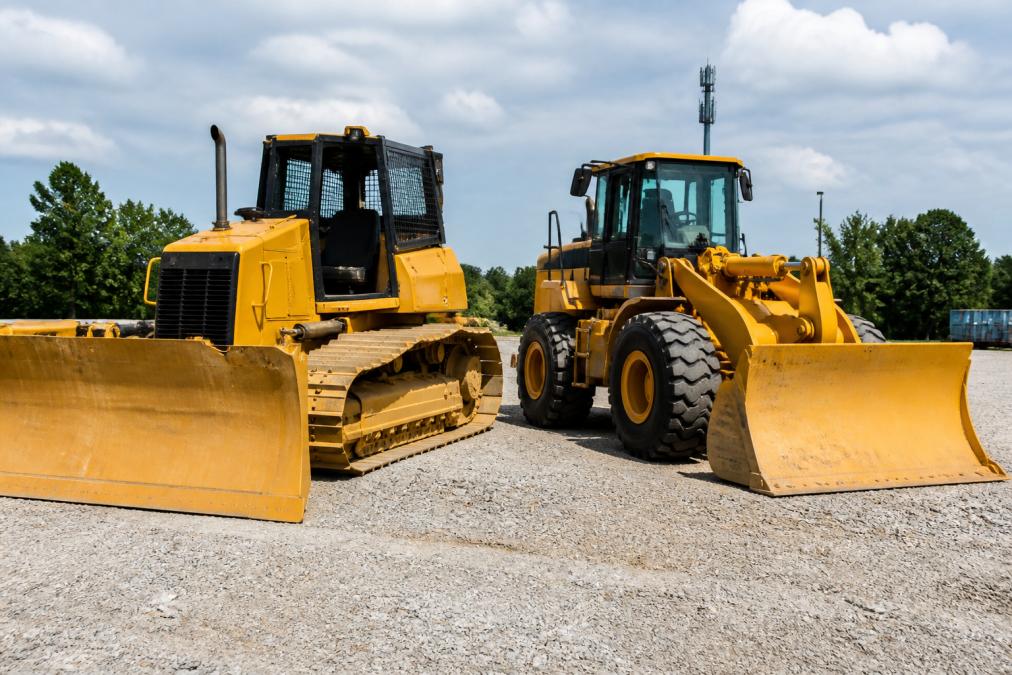
Wheel dozers appeal to contractors who move equipment frequently between job sites and need highway mobility. They're lighter, faster, and cheaper to transport. Used wheel dozers typically price 10-20% lower than equivalent crawler models because they're perceived as more specialized for specific applications. The used wheel dozer market is smaller, which can reduce demand and pricing in some regions.
Operating cost differences also influence pricing. Crawler undercarriage maintenance is more expensive and complex than tire replacement on wheel dozers. Buyers factor these lifetime costs into their offers. A wheel dozer might seem cheaper upfront, but the crawler's superior productivity in soft ground justifies its higher price for earthmoving contractors.
Regional demand shifts pricing significantly. In regions with extensive road construction and stable soil conditions, wheel dozers command better pricing. In mining and heavy earthmoving regions, crawler dozers hold value better. Understanding local market preferences helps you position your machine for maximum return.
Used Dozer Inspection Checklist: What to Evaluate
A thorough inspection separates realistic pricing from wishful thinking. Buyers conduct detailed inspections before committing to purchase, and transparent documentation of machine condition builds credibility and speeds sales. Here's what a comprehensive used dozer inspection checklist covers.
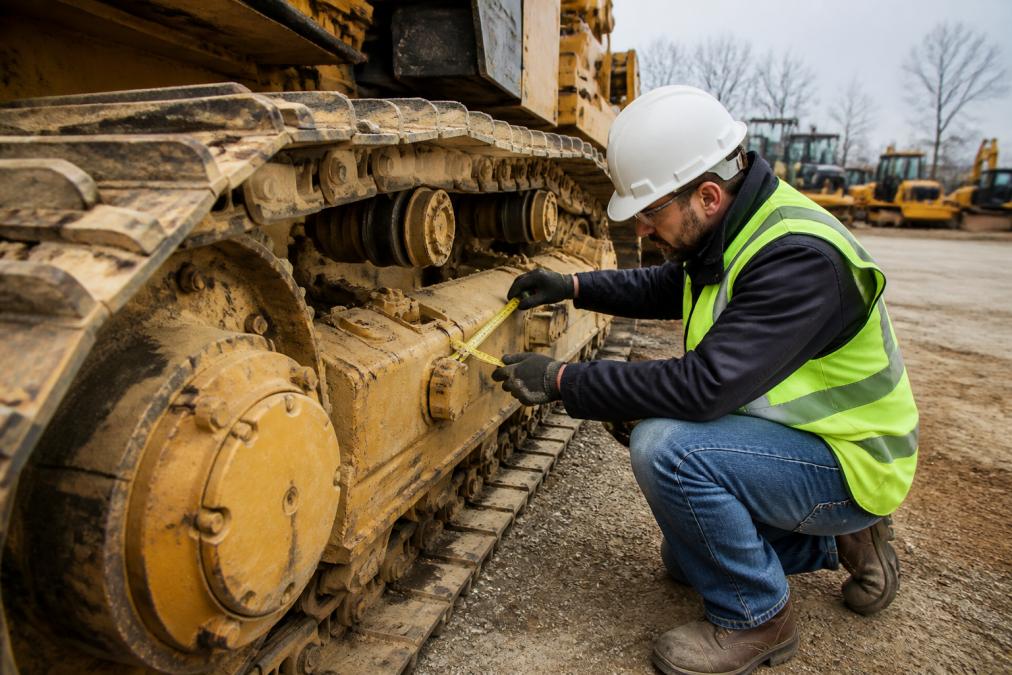
Start with visual inspection of the entire machine. Look for visible rust, corrosion, leaks, bent or cracked components, and missing bolts. Photograph everything, good condition and damage alike. Document paint condition, cab condition, and any signs of previous repairs or welding. These observations establish baseline condition and set expectations for buyers.
Inspect the blade and ripper attachment next. Check blade wear, blade angle adjustment function, and ripper penetration depth. A worn blade suggests years of heavy use. A ripper that doesn't penetrate properly indicates hydraulic or mechanical issues. Test all hydraulic functions: blade raise/lower, tilt, angle adjustment, and ripper engage/disengage.
Examine the cab and operator controls. Check for cracked glass, broken seats, missing instruments, and control lever function. Test all switches, gauges, and warning lights. A functional cab with good visibility commands premium pricing compared to a cab with missing components or visibility issues.
Hydraulic System and Blade Configuration
The hydraulic system powers every major function on a dozer. Hydraulic leaks, slow response, or loss of pressure indicate internal wear or seal degradation. A thorough inspection includes checking hydraulic fluid level and condition, inspecting hoses and connections for leaks, and testing pressure response under load.
Blade configuration affects both capability and pricing. A dozer with a straight blade performs basic pushing and grading. One equipped with an angling blade, tilt blade, or universal blade offers more flexibility. A ripper attachment adds significant capability and value for earthmoving work. Document exactly which blade configuration and attachments are present, as this directly influences pricing.
Hydraulic fluid condition matters more than most sellers realize. Dark, burned, or contaminated hydraulic fluid suggests overheating or internal wear. Fresh, clean hydraulic fluid indicates proper maintenance. This simple observation influences buyer confidence and pricing decisions.
Structural Integrity and Serial Number Verification
Structural integrity assessment includes checking for cracks in the frame, bent components, misaligned tracks, and signs of major repairs. A dozer that's been in a serious accident, even if repaired, carries lower pricing because buyers worry about hidden damage and long-term reliability.
Serial number verification is non-negotiable. Provide the dozer's VIN (Vehicle Identification Number) or equipment serial number prominently. Buyers verify this against title documents and manufacturer records to confirm ownership history and identify any salvage or branded titles. A clear title with matching serial numbers eliminates a major purchasing barrier.
Verify the model year against the serial number. Some sellers unknowingly misidentify machine age, which creates credibility issues. The manufacturer's data plate, usually located on the frame or engine, provides definitive year and model information. Document this clearly.
Service History and Maintenance Impact on Value
Service history is a pricing multiplier. A dozer with documented regular maintenance, parts replacement receipts, and repair records sells faster and commands better pricing than an identical machine with no documentation. Buyers view maintenance records as evidence that the machine was cared for and likely to be reliable.
Compile all available service records: oil changes, filter replacements, major repairs, parts replaced, and dates of service. If records are incomplete, document what you do know. Gaps in service history raise questions about whether maintenance was deferred, which directly impacts buyer confidence and pricing.
Major repairs documented with receipts actually increase value, because they prove the machine was fixed rather than ignored. A dozer that had a transmission overhaul with documentation is more valuable than one with an unknown transmission history. Transparency about repairs builds trust.
Regular maintenance intervals vary by manufacturer and application, but typical heavy equipment receives service every 250-500 operating hours. A machine with service intervals documented at appropriate intervals signals responsible ownership. One with sparse maintenance records suggests the machine was run hard and maintained poorly.
Regional Market Fluctuations and Timing
Used dozer pricing varies significantly by region due to local construction activity, equipment availability, and seasonal demand. A dozer that's in high demand in one region might sit unsold in another. Understanding these regional variations helps you time your sale and position your machine strategically.
Construction seasons drive regional demand. Spring through fall sees peak construction activity in northern regions, driving up equipment demand and pricing. Winter slowdowns reduce demand and pressure prices downward. In southern regions with year-round construction, seasonal swings are less pronounced but still present.
Equipment availability in your region affects pricing directly. If multiple similar dozers are on the market simultaneously, prices soften as buyers have options. If your dozer is the only comparable machine available, you have pricing power. Monitor local equipment listings to understand supply conditions.
Economic conditions in your region influence buyer demand. Areas experiencing commercial or infrastructure growth see stronger equipment demand and better pricing. Regions in economic slowdown see weaker demand and pricing pressure. Timing your sale to coincide with local economic strength improves returns.
Total Cost of Ownership: Beyond the Purchase Price
Savvy buyers evaluate dozers based on total cost of ownership (TCO), not just purchase price. Understanding TCO helps you position your machine accurately and anticipate what buyers will actually pay.
TCO includes the purchase price plus all costs to operate and maintain the machine over its useful life: fuel consumption, maintenance and repairs, undercarriage replacement, major component overhauls, insurance, and financing costs. A dozer with lower fuel consumption and predictable maintenance costs commands premium pricing despite higher initial cost, because the TCO is lower.
Undercarriage replacement is the largest single maintenance cost. A dozer with fresh tracks and good undercarriage condition reduces buyer TCO significantly. This is why undercarriage condition influences pricing so heavily, buyers are calculating the cost to replace worn tracks, which can run substantial amounts depending on dozer size.
Fuel efficiency varies by engine condition, model year, and operating practices. A dozer burning fuel at expected rates costs less to operate than one with excessive consumption. Buyers factor fuel costs across the machine's expected useful life, so engine condition directly impacts pricing.
Major component overhauls, engine, transmission, final drives, represent significant expenses. A dozer with recent overhauls documented carries lower TCO and commands premium pricing. One approaching overhaul intervals carries pricing discounts because buyers anticipate major expenses.
Financing costs matter for buyers who need to finance equipment purchases. A dozer with clear title, good condition, and documented service history qualifies for better financing terms and lower interest rates, reducing buyer TCO. Conversely, a machine with title issues or questionable condition forces buyers to finance at higher rates or pay cash, increasing their actual cost.
Financing and Budget Planning for Used Dozers
Most equipment buyers finance purchases rather than paying cash. Understanding financing options and how equipment condition affects financing terms helps you position your dozer for sale and anticipate buyer offers.
Equipment financing typically runs 3-7 years depending on machine age and condition. Newer machines qualify for longer terms and lower rates. Older machines qualify for shorter terms and higher rates. This financing cost difference directly influences what buyers will offer.
Lenders evaluate equipment based on resale value and condition. A machine in excellent condition with clear title and documented service history qualifies for better financing than one with marginal condition or title issues. Buyers understand this, they know that machines in better condition qualify for better financing and thus represent better deals.
Operating budget planning includes maintenance reserves. Fleet managers typically budget for maintenance and repairs. A dozer with predictable maintenance costs and good service history fits more easily into operating budgets than one with uncertain condition. This budgeting reality influences buyer offers.
Depreciation planning affects buyer offers. Buyers calculate how much your dozer will depreciate over the years they'll own it, and they factor that into their offer. A machine with slower depreciation rates (newer, better condition, strong brand reputation) commands higher offers because buyers face less depreciation risk.
Understanding used dozer pricing requires balancing machine condition, market timing, and buyer expectations. The process is complex, but the fundamentals remain consistent: condition drives value, documentation builds confidence, and market timing amplifies returns. Working with professionals who understand these dynamics, like a Heavy Equipment Broker, removes guesswork and connects your dozer with qualified buyers who understand what they're buying. The result is faster sales and better net returns on your equipment investment.
Frequently Asked Questions
What factors have the biggest impact on used dozer pricing?
Operating hours, machine age, undercarriage condition, and engine performance drive pricing most significantly. A dozer with 5,000 hours in good condition will command a higher price than one with 15,000 hours and worn tracks. Service history, model year, and whether it has attachments like rippers also matter. Regional demand and current market trends affect pricing by 10-20% depending on your location.
How do heavy equipment depreciation rates affect my buying decision?
Heavy equipment depreciation rates typically follow a predictable curve: steeper depreciation in the first 5 years, then slower decline. Understanding depreciation helps you calculate return on investment and resale value. Equipment with strong service histories depreciates slower than neglected machines. When evaluating a used dozer, factor in expected depreciation over your ownership period to determine true cost.
What should I look for in a used dozer inspection checklist?
Start with undercarriage inspection, check track tension, roller wear, and structural cracks. Examine the hydraulic system for leaks and smooth operation. Verify the engine performance through a cold start test and load test. Check the blade configuration for damage or excessive wear. Verify the serial number and service records. Look for rust, corrosion, or signs of poor maintenance. A thorough inspection prevents costly surprises after purchase.
Is it better to buy a used dozer at auction or from a private seller?
Auctions offer transparent pricing and large inventory but limited inspection time. Private sellers may offer better negotiation flexibility and detailed maintenance history. Dealer inventory falls between both options. Each path has trade-offs: auctions provide market-set pricing, private sellers offer relationship-based deals, and dealers provide warranties. Your choice depends on time available, inspection comfort level, and budget constraints.
This article was written using GrandRanker