Description
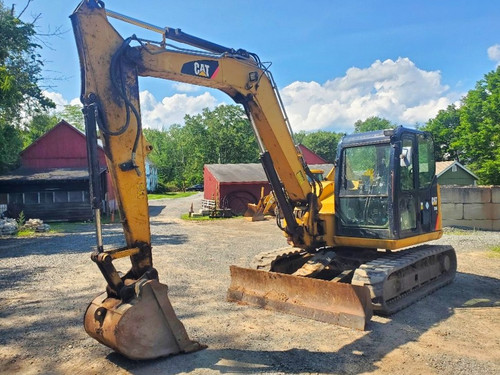
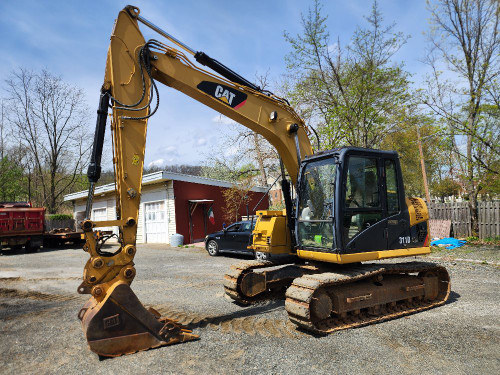
1998 CAT 350 EXCAVATOR BOOM - 24ft w/Plumbed & Pins, Needs Minor Repair
Specs and Dims
Description Continued...
1998 CAT 350 Excavator Boom: Specs and Buying Guide
A 1998 Cat 350 excavator boom is a working part, not a showpiece. Machines from that era are still on jobsites because the 350 L was built around a heavy undercarriage and a digging package that suits mass excavation and trench work. The boom is the piece that carries the load, sets the reach, and takes the punishment every time the bucket goes into the ground. If you are buying, repairing, or selling one, what matters is the serial number, the condition of the structure, and how the boom is matched to the rest of the machine.
Where the 1998 Cat 350 Fits in the Model Timeline
The 350 L crawler excavator is listed with a production window of 1994 to 1998, which puts a 1998 machine at the end of that run. Spec sheets for the 350 L give an operating weight of 49 t, a Caterpillar 3306 ATAAC engine rated at 213 kW, and a bucket capacity of 2.5 m³. The machine traveled at 11.85 m long, 3.3 m wide, and 3.73 m high, on 600 mm track shoes.
One thing to settle before any parts conversation: Caterpillar has reused the 350 name on a current-generation hydraulic excavator. That newer machine is a different animal, with buckets up to 3.2 m³ (4.2 yd³), three power modes called Smart, Power, and Eco, and fuel consumption up to 13 percent lower than the Cat 349. A boom from a 1998 350 L and a boom from the current 350 are not the same part. Always confirm fitment against the machine serial number and the parts book for that specific build.
How the Boom and Stick Are Built
The boom is a welded box structure that connects the upper frame to the stick and carries the boom cylinders. Cat's own description of the 350 platform credits a reinforced swing bearing, along with a stress-relieved boom and stick, for the machine's ability to take on tough work over and over again. That combination of a stiff swing group and a stress-relieved front end is why these machines hold up in high-cycle digging.
On a 1998 machine, the original boom has usually been through decades of service. That does not disqualify it. It does mean the structure, the pin bores, and the cylinder mounts deserve a close look before money changes hands. A boom that has been repaired correctly can keep working. A boom with a field-welded patch over a crack is a liability.
1998 Cat 350 L Specs at a Glance
| Spec | Figure |
|---|---|
| Model | Caterpillar 350 L |
| Production window | 1994 to 1998 |
| Operating weight | 49 t |
| Engine | Caterpillar 3306 ATAAC |
| Engine power | 213 kW |
| Bucket capacity | 2.5 m³ |
| Track width | 600 mm |
| Transport length | 11.85 m |
| Transport width | 3.3 m |
| Transport height | 3.73 m |
Spec listings for the Caterpillar 350 put the standard operating height at 12 ft 2 in and note that the figure moves with machine configuration and attachments. Treat published numbers as a starting point and measure the actual machine you are looking at, especially if you are arranging transport.
Boom Cylinders and Replacement Parts
Boom cylinders are the most commonly replaced major component on the front end. Aftermarket suppliers carry Caterpillar 350 excavator replacement parts, and boom cylinders appear in those catalogs regularly, sometimes flagged with low or very low stock counts. Supply is not unlimited for older machines, so lead time is worth checking before you commit to a repair schedule.
Part numbers are where people get into trouble. One supplier listing shows a boom cylinder under part number 5757021 tied to a Cat 304 machine, which is a good reminder that catalog groupings do not always match the machine in your yard. Verify every number against the serial number of the excavator and the correct parts book before ordering. A cylinder that looks right in a photo can be wrong at the pin.
What to Inspect on a Used 1998 350 Boom
Inspection should happen with the machine washed down and, ideally, with the boom in a couple of positions so you can see the full structure. Bring a flashlight, a wire brush, and a magnifier.
Structure and welds
Look closely at the boom-to-base transition, the area around the boom cylinder mounts, the stick pivot bosses, and the bucket linkage on the stick. Cracks in these zones usually start as short lines radiating from a weld toe or a pin bore. Clean the paint off any suspect area and look again. If you find a plate patch or a weld that does not match factory workmanship, ask for documentation. Undocumented repairs are a negotiating point and sometimes a walk-away point.
Pins and bushings
Grab the boom and stick at the pins and work them by hand where you can, then watch the joint while an operator moves the machine through a slow cycle. Visible slop at the boom foot or the stick pivot means bushings and possibly bore build-up are in your future. That work is doable, but it costs money and downtime.
Cylinders and hoses
Check the chrome on the boom cylinder rods for scoring and pitting, and look under the barrel for weeping seals. A cylinder that drifts under load is telling you the internals are worn. Hoses and hard lines along the boom should be dry and properly clamped, with no chafing against the structure.
What a Used Boom Costs
Pricing for a used excavator boom depends on the model it fits, the condition of the structure, and whether cylinders and pins come with it. One listing for a primary boom described as fitting a Caterpillar 300 series excavator carried an asking price of $2,500. That is a single data point, not a market range. Comparable values for a 1998 350 L boom will vary with what is included and how much life is left in the pin bores. Confirm current pricing with the seller or a dealer before you budget.
Fitment: Do Not Assume the Boom Swaps
Excavators in this size class were often ordered with more than one boom and stick combination, and the geometry affects reach, digging depth, and transport height. A boom pulled from one 350 L may or may not be the right match for another, depending on how each machine was configured when it was built. Before buying a used boom, confirm the donor machine's serial number, the boom part number, and the pin and cylinder mounting dimensions. If you cannot confirm those details, treat the purchase as a gamble rather than a straightforward swap.
Buying or Selling a 350 Boom on Ironmartonline
Ironmartonline is a web based marketplace for used heavy equipment, trucks, and machinery. Sellers list across nine platforms to reach a broad pool of buyers, with no contracts and no hidden fees, and buyers can look into financing options. If you have a 1998 Cat 350 boom, a complete 350 L, or the cylinders and pin groups to go with it, a listing puts it in front of contractors, dealers, and fleet owners who are already shopping for Caterpillar iron. Include the serial number, the part number if you have it, and clear photos of the pin bores and any repairs.
Frequently Asked Questions
How much does a 1998 Cat 350 L weigh?
Spec listings for the Caterpillar 350 L give an operating weight of 49 t. That figure reflects the machine as configured, so attachments, bucket size, and counterweight choices can shift it somewhat. If you are booking transport, confirm the actual weight of the specific unit rather than relying on a published number.
What engine is in a 1998 Cat 350 L?
The 350 L is listed with a Caterpillar 3306 ATAAC engine rated at 213 kW. ATAAC refers to the air-to-air aftercooled induction system used on that power plant. When ordering engine or hydraulic parts, match everything to the excavator serial number, since build changes happened across the model run.
Can I replace just the boom cylinder on a Cat 350?
Yes, boom cylinders are available as replacement parts through aftermarket suppliers that stock Caterpillar 350 components. Availability varies, and some listings show limited stock, so check lead time early. Confirm the cylinder part number against your machine's serial number and parts book before ordering, because catalog groupings can point to the wrong model.
How do I check a used excavator boom for cracks?
Clean the boom thoroughly, then inspect the boom-to-base transition, cylinder mounts, and pin bosses with good light. Look for short lines radiating from weld toes and pin bores. For anything suspicious, have a qualified inspector perform dye penetrant or magnetic particle testing. Undocumented field welds and plate patches should lower your offer or end the conversation.
Is a modern Cat 350 boom interchangeable with a 1998 350 L boom?
Do not assume it is. Caterpillar reused the 350 name on a current-generation excavator with different buckets, power modes, and design details. The 350 L production window ran from 1994 to 1998, and parts were built to that machine's geometry. Always verify fitment against the serial number and the correct parts book before buying or selling.