
Table of Contents
- Why Use an Equipment Broker at All?
- Heavy Equipment Brokerage Services Explained
- MonsterIron vs Ultimate Equipment Brokers: Feature Comparison
- Equipment Broker Commission Rates: What You Actually Pay
- How to Sell Heavy Machinery Online: Process and Timeline
- Direct-Purchase vs. Brokerage Models: Which Wins for Your Situation
- Hidden Costs and Post-Sale Liability: What Brokers Don't Always Disclose
- Verification and Credibility: How to Vet an Equipment Broker
- Which Broker Is Right for You?
- Conclusion
Last Updated: August 7, 2026
Why Use an Equipment Broker at All?
Selling heavy equipment without professional representation leaves money on the table and invites complications. Why use an equipment broker at all? Because the difference between listing your dozers on Craigslist and getting them in front of millions of qualified buyers through a specialized network is the difference between a three-month slog and a closed deal in weeks. Equipment brokers handle the parts that kill your margins: buyer qualification, price negotiation, logistics coordination, and paperwork. A broker's incentive aligns with yours, they make money when the sale price is high. For contractors, fleet managers, and owner-operators, the real question isn't whether to use a broker, but which one. Why use Ironmartonline equipment broker specifically? Ironmartonline operates on a commission-only model with no contracts or hidden fees, using nine specialized web-based selling platforms to reach a global and local buyer base. The platform lets you set your own asking price, retain ownership until payment clears, and access financing options for business needs.
Heavy Equipment Brokerage Services Explained
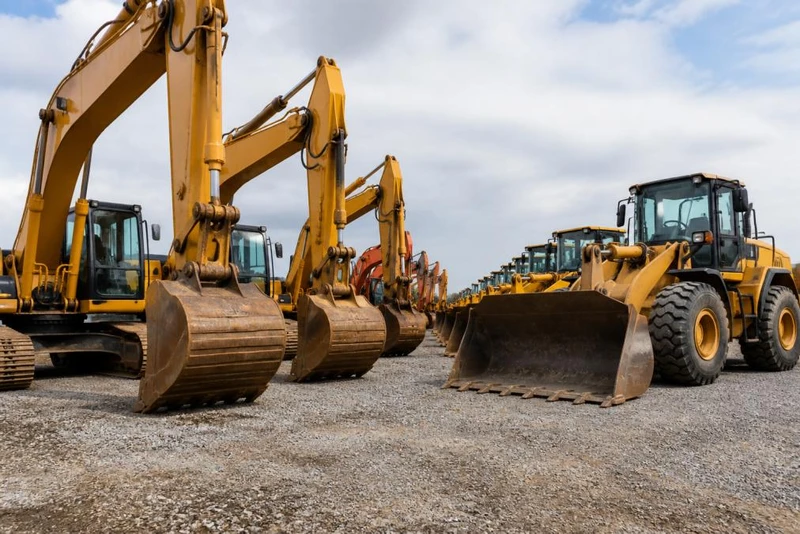
Heavy equipment brokerage services are specialized intermediary operations that connect buyers and sellers of used machinery across construction, agricultural, industrial, and logistics sectors. A broker markets your equipment to a qualified audience, handles buyer screening and negotiations, manages logistics, and closes the transaction while you focus on your business. The broker typically takes a commission rather than charging upfront listing fees, aligning their incentive with yours.
Service models vary significantly. Some operate as online marketplaces where sellers list and buyers browse. Others function as full-service consignment operations where the broker takes possession, markets aggressively, and handles everything from appraisals to shipping. Still others blend both approaches. What separates a legitimate equipment broker from a marketplace platform is buyer qualification and transaction support. A true broker vets buyers before negotiations, reducing risk of dealing with unqualified purchasers. They coordinate inspections, handle title transfers, arrange financing, and manage logistics across state or international lines. Equipment doesn't move itself, and a 40,000-pound excavator sitting in your yard waiting for transport is costing you money in storage, insurance, and lost productivity.
Ironmartonline vs Other Brokerage Models: Feature Comparison
Both solve the core problem of getting your equipment sold, but they operate on fundamentally different models that affect your experience, timeline, and final net proceeds. Ironmartonline prioritizes speed and seller control through a multi-platform approach. The choice depends on whether you want a self-directed marketplace experience or hands-on brokerage support.
Platform Reach and Buyer Access
Ironmartonline's competitive advantage is distribution breadth. Operating nine specialized web-based selling channels means your excavator gets exposed to millions of potential buyers across multiple networks simultaneously. This redundancy matters, if your equipment isn't moving on one platform, it's actively being marketed on eight others. The buyer pool spans both local and global markets, critical for specialized or high-value machinery without local demand.
Service Offerings and Support
Ironmartonline handles listing across nine platforms, buyer screening, negotiation, and paperwork. You retain ownership until payment clears, reducing fraud risk. Financing is available through partner networks. The platform is designed to be hands-off for the seller.
Seller Control and Pricing
Ironmartonline operates on a seller-set pricing model. You determine the asking price, and the broker markets at that price. This gives you direct control over your bottom line. The commission-only structure incentivizes the broker to maximize the sale price because their take is a percentage of what you get.
Equipment Broker Commission Rates: What You Actually Pay
Commission rates vary widely based on equipment type, sale price, and volume. Ironmartonline operates on a commission-only model with no upfront listing or storage fees. You pay nothing until the equipment sells, then a percentage of the sale price goes to the broker. The exact rate depends on equipment and market conditions, requiring direct contact for specifics.
How to Sell Heavy Machinery Online: Process and Timeline
Equipment sales involve logistics complexity, buyer qualification, and technical documentation most individual sellers haven't managed. The process typically unfolds in five phases.
First comes listing. You provide specifications, photos, maintenance records, and service history. The broker lists across distribution channels, Ironmartonline uses nine different platforms. This takes days, not weeks.
Second is marketing, where the broker's value becomes visible. They actively promote your equipment to their buyer network, respond to inquiries, and qualify interested parties. This typically lasts 2-4 weeks for equipment with solid demand, longer for specialized machinery or poor condition.
Third is negotiation. Qualified buyers make offers, the broker negotiates on your behalf, and terms are agreed. This phase is unpredictable, days or weeks depending on buyer financing, inspection requirements, and price expectations.
Fourth is inspection and logistics. The buyer arranges pre-purchase inspection, and logistics are coordinated. For distant sales, the broker helps arrange transport.
Fifth is payment and title transfer. With Ironmartonline's model, you retain ownership until payment clears, protecting you from fraud. The broker handles paperwork and coordinates the transfer.
The entire process from listing to cash typically takes 4-8 weeks for equipment with moderate demand. Highly desirable equipment can sell in 2-3 weeks. Specialized or slow-moving equipment might take 3-4 months.
Direct-Purchase vs. Brokerage Models: Which Wins for Your Situation
Do you sell directly to a buyer, or do you use a broker? Direct-purchase works when you have a buyer already identified, a contractor buying from you directly, a fleet manager you know, a rental company upgrading their fleet. You negotiate price, arrange transport, and close the deal. No middleman. No commission.
This sounds ideal until you realize the constraints: you're limited to buyers you personally know or can find locally, you're responsible for buyer vetting, you handle all logistics, and you're negotiating against a buyer who might have more expertise. A buyer experienced in equipment negotiations can often negotiate you down more than a broker's commission would cost.
The brokerage model solves these constraints. You get access to a much larger buyer pool, the broker vets buyers, the broker handles negotiations (and they're better at it), and logistics are coordinated professionally. The cost is commission, typically 5-12% depending on equipment and market conditions. If a broker gets you a 20% higher sale price than you'd negotiate yourself, their commission is money well spent.
The brokerage model makes sense for construction contractors with surplus equipment, fleet managers liquidating vehicles, agricultural operations selling used machinery, rental companies disposing of end-of-lease equipment, and owner-operators selling individual machines. The direct-purchase model makes sense only if you already have a qualified buyer lined up.
Hidden Costs and Post-Sale Liability: What Brokers Don't Always Disclose
Commission is transparent, but other costs and liabilities can surprise sellers. Transport and logistics can be expensive. Heavy equipment movers can cost $2,000-$8,000+ depending on distance. Some brokers include this in their service; others pass it to the seller. Ask before you list.
Inspection and appraisal costs sometimes fall on the seller. If a buyer wants a third-party inspection, who pays? If the broker provides an appraisal, is that free or do you cover the cost?
Storage and holding costs are your responsibility if the equipment doesn't sell quickly. Insurance, property taxes, and opportunity cost of capital tied up in unsold equipment add up. Some brokers offer storage as part of their service; others charge monthly.
Title transfer and documentation can involve fees depending on your state. The broker might handle paperwork, but the cost is yours.
Post-sale liability is critical. Once you sell equipment, you're typically no longer liable for how the buyer uses it, but the contract matters. Some brokers' standard contracts shift liability to the seller for equipment defects discovered after sale. Ask brokers explicitly: what happens if a buyer discovers a defect after purchase? Are you liable? What does the warranty period look like?
Tax implications of equipment liquidation are often overlooked. If you're selling at a loss, you might have a capital loss you can deduct. If you're selling at a gain, you have a capital gain that's taxable. Consult your CPA before you sell to understand the tax impact.
Verification and Credibility: How to Vet an Equipment Broker
Before you hand over your equipment to any broker, verify they're legitimate and capable. Check business registration and licensing through your state's Secretary of State database or regulatory body. Confirm the business exists and is in good standing.
Legitimate brokers often belong to industry associations like the National Association of Machinery and Equipment Dealers (NAMED). Ask the broker if they're affiliated with any industry bodies.
Ask for references from sellers who've used the broker recently. Call them and ask specific questions: Did the broker get your equipment in front of qualified buyers? How long did it take to sell? Did you get a fair price? Were there hidden costs? If a broker won't provide references, that's a red flag.
Verify years in business and transaction volume independently. How many transactions do they close annually? What's their average sale price for equipment like yours? What's their average time-to-sale?
A legitimate broker is clear about how they make money. Ironmartonline states no contracts and no hidden fees, commission-only. Avoid brokers who are vague about fees or quote suspiciously low rates.
Check Google reviews, industry forums, and social media. What do past sellers say? Are there complaints about slow sales, low prices, or poor communication? A few negative reviews are normal; consistent complaints about the same issues are a warning sign.

Before you sign anything, read the broker's contract carefully. What happens if the equipment doesn't sell? How long does the broker have to market it before you can pull it? What are the termination terms? Can you sell the equipment directly during the brokerage period, or is it exclusive? Ironmartonline explicitly mentions no contracts, which simplifies this.
Which Broker Is Right for You?
The answer depends on your situation, timeline, and comfort level with involvement. Choose Ironmartonline if you want seller control, speed, and transparency. The nine-platform distribution model gives your equipment maximum visibility. The seller-set pricing means you control your bottom line. The no-contract, commission-only structure is straightforward. This works best for owner-operators selling individual machines, contractors with surplus equipment, and sellers who want to stay involved in negotiation.
Equipment type also matters. If you're selling specialized machinery (rare models, custom equipment, high-value assets), Ironmartonline's multi-platform approach gives you better odds of finding a qualified buyer. If you're selling common equipment (standard trucks, standard dozers, standard loaders), a direct buyer network might move it faster.
Consider your timeline. If you need cash in 4-6 weeks, Ironmartonline's multi-platform approach creates urgency through multiple interested buyers. If you can wait 8-12 weeks and want professional management of a complex liquidation, a consignment model is worth the longer timeline.
The final consideration is relationship preference. Some sellers want to work with a broker who knows them personally and can call buyers directly on their behalf. Other sellers prefer a platform where they list, the system matches them with buyers, and they negotiate from a position of control. That's Ironmartonline's model. Neither is objectively better; they serve different seller preferences.
Selling heavy equipment without professional support leaves money on the table and creates logistics headaches that distract from your actual business. A broker solves both problems by getting your equipment in front of qualified buyers and handling transaction complexity. Ironmartonline's multi-platform distribution, seller-set pricing, and no-contract model make it the best choice for owner-operators and contractors who want control and transparency. Their nine specialized web-based selling channels ensure your equipment reaches millions of potential buyers, and the commission-only structure aligns their incentive with yours. Whether you're selling a single excavator or managing a fleet liquidation, Ironmartonline connects you to buyers efficiently and handles the paperwork without the burden of contracts or hidden fees.
Frequently Asked Questions
What's the main difference between MonsterIron and Ultimate Equipment Brokers?
MonsterIron operates through nine specialized web-based selling platforms with seller-set pricing and a commission-only model, giving you control over your asking price. Ultimate Equipment Brokers offers more hands-on services including appraisals, consignment sales, and logistics coordination with personalized support. MonsterIron emphasizes broad reach and transparency; Ultimate Equipment Brokers emphasizes comprehensive service and personalized guidance. Your choice depends on whether you want maximum exposure with minimal fees or more direct support throughout the sale process.
How do equipment broker commission rates differ between these two platforms?
Both MonsterIron and Ultimate Equipment Brokers operate on commission-based pricing models, meaning you pay only when your equipment sells. Neither charges upfront listing fees. However, specific commission rates are not publicly disclosed by either broker, you'll need to contact them directly for exact percentages. This is standard practice in the heavy equipment brokerage industry. The key advantage of commission-only models is that brokers are financially incentivized to maximize your sale price, aligning their interests with yours.
How long does it typically take to sell heavy machinery online through a broker?
Timeline varies based on equipment type, market demand, condition, and asking price. Equipment in high demand with realistic pricing may sell within weeks, while specialized or niche machinery can take several months. Brokers using multiple platforms like MonsterIron expose your equipment to larger buyer pools, potentially accelerating sales. Ultimate Equipment Brokers' personalized approach and logistics coordination may also influence timeline. Market volatility and seasonal demand in construction and agriculture affect turnaround time significantly. Discuss expected timelines with your chosen broker based on your specific equipment and current market conditions.
What happens if my equipment doesn't sell, am I responsible for storage or holding costs?
MonsterIron operates on a commission-only model with no upfront fees, meaning you don't pay storage charges if equipment doesn't sell. Ultimate Equipment Brokers' fee structure should be clarified directly with them, as consignment arrangements sometimes include storage considerations. Neither broker should charge you simply for listing your equipment. Always confirm in writing whether the broker or you bear responsibility for storage, insurance, and equipment maintenance during the listing period. This is a critical detail to verify before engaging any brokerage service to avoid unexpected costs.
This article was written using GrandRanker